
As an Amazon Associate, PetKiddies earns from qualifying purchases. We may earn a commission from links on this page at no extra cost to you.
We are not veterinarians, and this is general information – please talk to your vet about your own puppy. We have not hands-on tested the products below; the picks are research-based, drawn from manufacturer info, retailer listings and reputable guidance.
Quick Answer
Usually, no – not as a surprise. The person getting the puppy may not want, or be ready for, a dog that depends on them for the rest of its life, and the holidays are one of the hardest times to start house training.
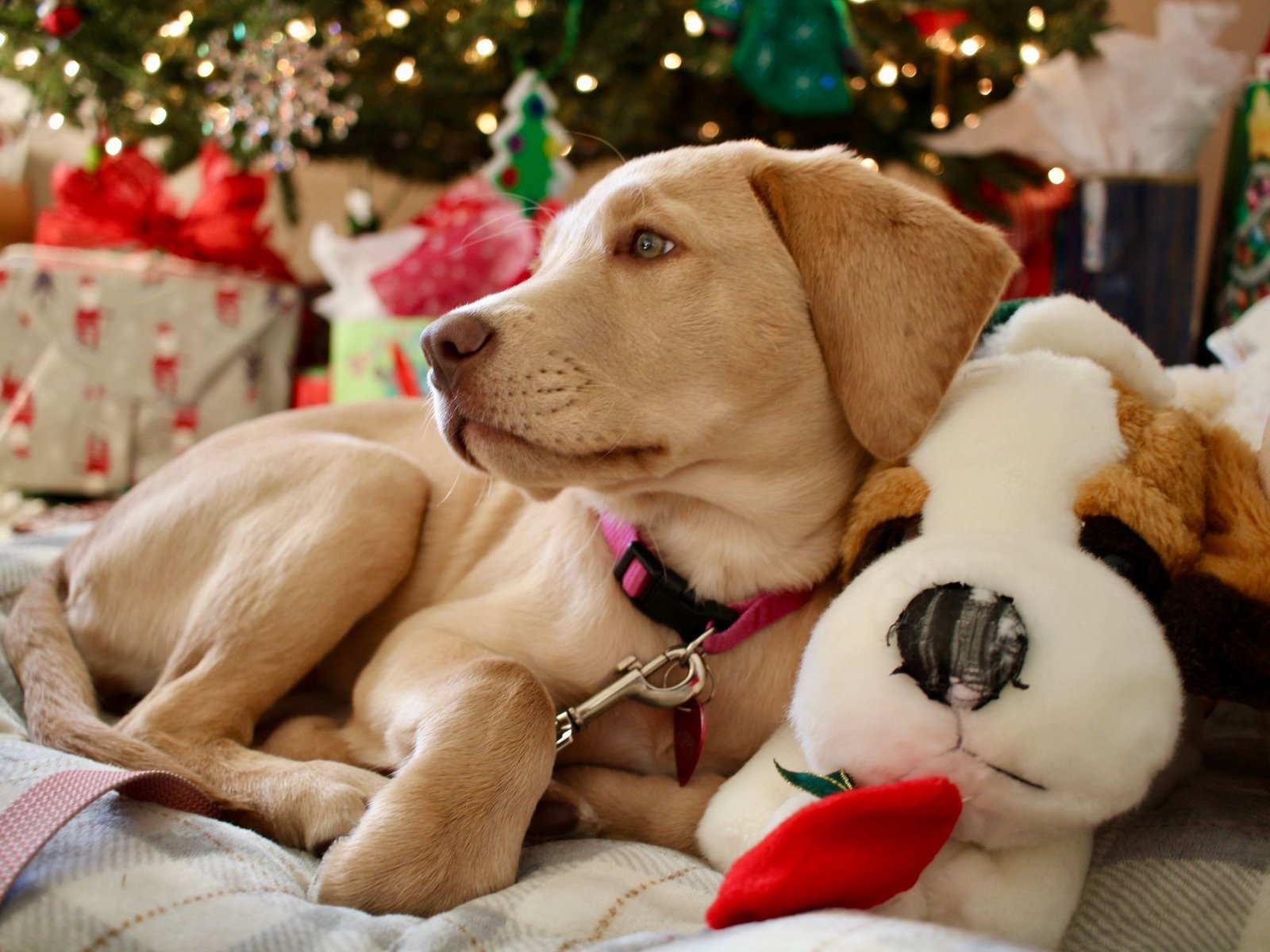
A puppy can be a great Christmas present when it isn’t really a surprise: the whole household has agreed and planned for it, the future owner helps pick the dog, and the puppy comes home after the holiday rush. For most families, the best move is to wrap the supplies and a promise, then choose the puppy together.
Why Shelters, Breeders and Vets Advise Against Surprise Puppies
The recipient may not be ready
The American Kennel Club puts it plainly: puppies shouldn’t be a surprise. Giving one to someone who wasn’t involved in choosing it risks a poor lifestyle match or a dog they struggle to bond with. Even dog lovers may have reasons to say “not now”: a lease or HOA that restricts pets, allergies in the family, long work hours, travel plans or a tight budget. Those are the future owner’s decisions to make.
If you’re unsure a dog fits the household at all, start with our guide on how to choose the right dog for your lifestyle (and when not to get one).
The holidays are a rough time to start
A new puppy needs predictable meals, frequent potty breaks, lots of sleep and calm, gradual introductions. December usually brings visitors, noise, late nights, travel and irregular schedules. The AKC calls the season busy, exciting and often stressful and overwhelming, and notes that holiday festivities and visitors make it hard for a puppy to adjust.

Responsible breeders often say wait
The AKC’s own guidance for breeders says the holidays are not the ideal time to send a puppy to a new home. In that article, one breeder says she never allows puppies to be given as presents; others advise waiting until after the holidays, or putting a photo of the puppy under the tree instead. Good breeders and rescues also want to learn about the home and often meet the whole family – impossible if the dog is a secret.
Rushed purchases invite scams
A December 25 deadline is exactly the pressure scammers count on. The FTC warns that during the holidays scammers post fake pet ads, often for puppies, and ask for payment up front – and you may never get the puppy or your money. Requests to pay by gift card, payment app, cryptocurrency or wire transfer are red flags.
What the research actually says
To be fair, the idea that gifted pets usually get given up isn’t well supported. A 2013 ASPCA-led study in the journal Animals (“Should Dogs and Cats be Given as Gifts?”) surveyed 222 people who had received a dog or cat as a gift. Receiving the pet as a gift was not significantly linked to lower attachment or to whether the pet stayed in the home, and the authors found no increased risk of relinquishment. They also note it was a small, one-time survey based on self-reported feelings. The takeaway: the problems come from poor matches and bad timing, not from the bow.
Surprise Puppy vs. Planned Puppy vs. Gift Box + IOU
| Option | Who chooses the dog | Timing | Readiness | Risk | Best for |
|---|---|---|---|---|---|
| Surprise puppy | The gift giver | Christmas Day, mid-holiday rush | Unknown | High: poor match, stressed puppy, rushed or scam purchase | Rarely a good idea |
| Planned puppy | The future owner, with the family | Agreed date, ideally after guests and travel | High: caregiver, vet and budget lined up | Lower | Households that already agreed on a dog |
| Gift box + IOU | The future owner, after the holidays | Supplies on Christmas, puppy later | Builds over the following weeks | Lowest: no animal on a deadline | Most families |
When a Christmas Puppy Can Work
It works best when it’s a shared family decision dressed up as a present:
- Everyone has agreed and understands it’s a long-term commitment.
- The adopter picks the dog after meeting it.
- A primary caregiver is named. Kids can help, but an adult owns feeding, vet visits and training.
- Budget and schedule are set, including someone home for frequent potty breaks.
- The puppy comes home after the holidays. Early January, once routines return, is often a calmer start.
If you’re adopting, ask your local shelter or rescue whether they offer gift certificates or can time the adoption for after the holidays. Responsible breeders may have waiting lists, and the AKC notes you may be able to put a deposit on a puppy in an upcoming litter. Policies vary, so ask.
The Better Gift: Wrap the Supplies, Choose the Puppy Together
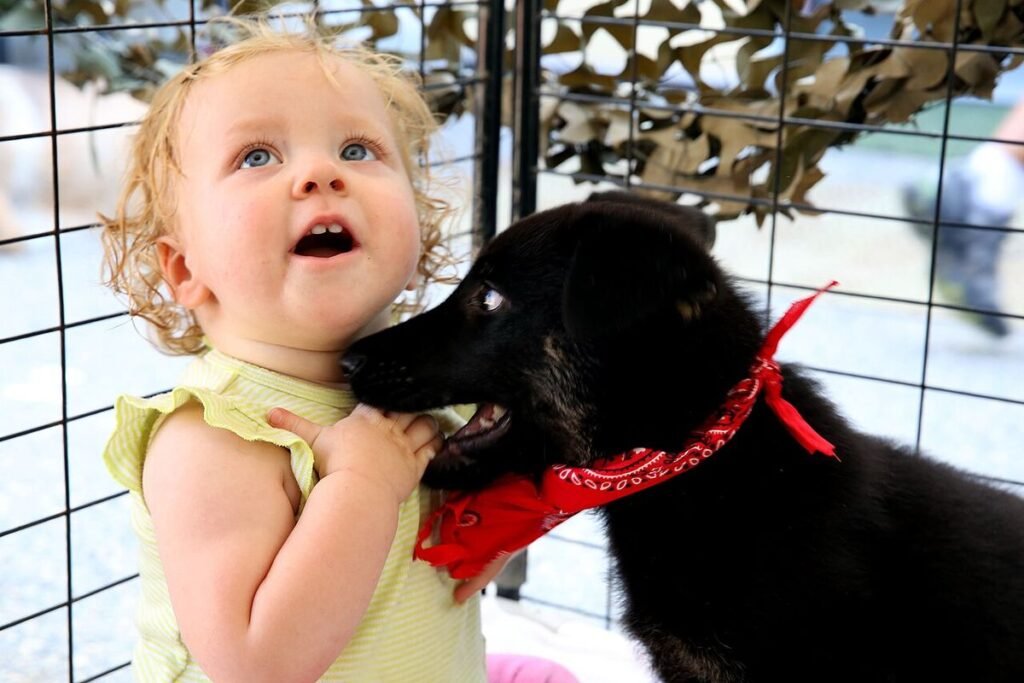
The AKC suggests wrapping what the puppy will need – bed, crate, bowls, collar, leash, poop bags, toys and puppy-safe chews – with a letter saying a puppy is coming. Add a puppy class gift certificate, a book about dog breeds or an “IOU one puppy” card. Be honest: a child expecting a real puppy may be a little disappointed. A concrete plan (“we visit the shelter January 4th”) helps.

Pre-Adoption Checklist
- Household agreement: every adult is on board.
- Who does what: feeding, walks, potty breaks (including overnight) and cleanup.
- Time at home: the AKC notes puppies need a great deal of time and attention in their first weeks home, so plan who covers workdays.
- Housing rules: check your lease, landlord or HOA pet rules.
- Allergies: spend time around dogs first if anyone might react.
- Budget: one-time and yearly costs (see below).
- Vet chosen: book the first appointment for shortly after arrival.
- Puppy-proofing: secure cords, trash, shoes, medications and cleaners.
- Training plan: pick a house-training approach and sign up for a puppy class.
- Pet insurance decision: insure or build an emergency fund – see our guide to pet insurance costs and when to skip it.
- ID: an ID tag, plus a microchip registered with your current contact details.
- Sleep and crate area: set up a quiet spot before day one.
- Existing pets: have a cat? Plan a gradual introduction with our slow method for introducing a cat and dog.
For what happens next, read our day-by-day guide to a puppy’s first week home.
The First-Year Cost Reality
The ASPCA’s pet care cost estimates (labeled a 2021 update) put a dog at roughly:
- $1,030 in initial, one-time costs (spay/neuter, initial vaccines, collar and leash, microchip, carrier, crate, training and grooming tools)
- $1,391 per year (food, routine medical care, preventive medications, toys, treats, health insurance, license, grooming supplies)
- $3,221 as a first-year total, which also includes professional grooming and dental care
Your costs will vary with dog size, location and choices, and these are 2021 figures, so expect today’s prices to differ. Treat these as a starting point, and remember an emergency vet visit can add a large unplanned bill.
Holiday Hazards for a New Puppy
The ASPCA’s holiday safety tips and poison control guidance cover the big ones.
Foods
- Chocolate: risky because of compounds called methylxanthines. The darker the chocolate, the greater the risk; baking chocolate and cocoa powder are highest.
- Xylitol: a sweetener in some gum, candy, baked goods and toothpaste; the FDA also lists some peanut and nut butters. It can cause dangerously low blood sugar and possible liver damage. Check labels before stuffing a toy.
- Grapes and raisins: can cause kidney damage in dogs.
- Alcohol: can cause vomiting, diarrhea and incoordination; don’t leave drinks unattended.
- Yeast dough: raw dough can expand in the stomach, cause painful bloating and produce alcohol.
- Fatty foods, bones and scraps: the ASPCA says fatty, sweet and spicy foods and turkey or chicken bones can all be dangerous, and that high-fat foods such as nuts can cause vomiting, diarrhea and potentially pancreatitis in some pets.
Decorations
- Tinsel: best skipped. Swallowed tinsel can cause severe vomiting, a blocked digestive tract and dehydration, and may need surgery.
- Ornaments: broken shards can injure the mouth and digestive tract.
- Electrical cords: a chewed wire can deliver a potentially lethal shock.
- The tree: secure it so it can’t tip, and cover the tree water, which can breed bacteria that upset the stomach. The AKC also advises keeping dogs from swallowing pine needles.
Holiday plants
Poinsettias get the most attention, but the ASPCA describes their effect as mild to moderate stomach irritation. Mistletoe and holly are more concerning: they can cause stomach upset and cardiovascular problems. Lilies are highly toxic to cats and can cause kidney failure – important if you already have a cat.

If you think your puppy ate something toxic, call your vet or the ASPCA Animal Poison Control Center at (888) 426-4435, open 24 hours a day, 365 days a year. A consultation fee may apply.
Research-Based Picks: The Puppy Gift Box
Five well-known products for a “puppy is coming” box, chosen from manufacturer details and retailer listings. Pick sizes once you know the actual dog.
| Item | Why it’s in the box | Main caveat | Price |
|---|---|---|---|
| MidWest iCrate Double Door Crate | Divider panel adjusts space as the puppy grows | Size for the adult dog | Check current price |
| MidWest QuietTime Deluxe Ombre Swirl Bed | Machine washable, sized to fit crates | Not for heavy chewers | Check current price |
| KONG Puppy | Gentle rubber for teething, stuffable | Not recommended over 9 months | Check current price |
| PetSafe Easy Walk Harness | Front clip discourages pulling | Puppy will outgrow it | Check current price |
| Nature’s Miracle Advanced Stain & Odor Eliminator | Enzymatic formula for accidents | Not for some surfaces | Check current price |
1. MidWest Homes for Pets iCrate Double Door Wire Crate
A crate gives a puppy a safe den and is a common house-training tool. The iCrate includes a divider panel so the crate can grow with your puppy, a leak-proof plastic pan, and it folds flat without tools; front and side doors make placement easier. Caveat: MidWest advises choosing a size for your dog’s adult weight and measurements and using the divider meanwhile – compare the listed dimensions carefully, since sizes run from 18 to 48 inches.
2. MidWest QuietTime Deluxe Ombre Swirl Bed
Puppies have accidents, so washability matters more than looks. This plush, tufted bed is listed as machine washable and dryer safe, has a non-slip bottom, and comes in sizes made to fit inside standard crates (the 36-inch size matches a 36-inch crate). Caveat: MidWest itself says it is not ideal for excessive chewers or dogs with high separation anxiety – remove it if your puppy shreds bedding. More options are in our comparison of the best dog beds.
3. KONG Puppy
Teething puppies need something allowed to chew. KONG describes the Puppy’s rubber as the most gentle in its rubber toy line, designed for teething gums, and it can be stuffed with puppy treats or dog-safe peanut butter. Caveats: KONG says supervised use only, stop if damaged, and it isn’t recommended for puppies over 9 months – then move up to a KONG Classic. Size by your puppy’s weight.

4. PetSafe Easy Walk Harness
Useful for leash walks once your vet says your puppy can go out. It has a front-chest leash attachment designed to discourage pulling, 4 adjustment points, and sizes starting at Petite (under about 10 pounds). Caveats: PetSafe says to measure rather than go by weight and to size up between sizes; a growing puppy will need re-measuring and likely a bigger size. The leash clips on at the chest only. See our guide to the best dog harnesses for other styles.
5. Nature’s Miracle Advanced Stain & Odor Eliminator
House-training accidents are a when, not an if. This is an enzymatic, bacteria-based cleaner described as working on urine, feces, vomit and other organic messes. Directions: spray at full strength, wait about 10 minutes, blot with a white cloth. Caveat: not for untreated hardwood, leather, suede, silk or wool specialty fabrics.
FAQ
Is it ever OK to surprise someone with a puppy?
Only when it isn’t truly a surprise – the household already agreed to a dog and the adult caregiver helped choose it.
Are gifted pets more likely to end up in shelters?
The research doesn’t show that. A 2013 ASPCA-led survey in Animals found no increased risk of relinquishment for gifted dogs and cats, though it was small and self-reported.
When should a “Christmas” puppy come home?
Often after the holidays, once guests leave and routines return – early January works for many families. Ask your breeder or shelter.
What can I give instead of a live puppy?
A box of puppy supplies, an IOU letter, a puppy class certificate or a dog breed book – then choose the puppy together.
Can kids be the main caregiver?
Kids can help a lot, but an adult should be responsible for feeding, vet care and training.
How do I avoid puppy scams?
Don’t let a deadline rush you. Search the seller’s name with “scam” or “complaint,” and avoid paying by gift card, payment app, crypto or wire transfer. The FTC also suggests local shelters and rescues.
What if my puppy eats chocolate or a sugar-free treat?
Call your vet or ASPCA Animal Poison Control at (888) 426-4435 right away (a fee may apply). The FDA says xylitol can drop a dog’s blood sugar within 10 to 60 minutes, and some serious effects may take 12 to 24 hours to appear.