
As an Amazon Associate, PetKiddies earns from qualifying purchases. We may also earn from other affiliate links on this page at no extra cost to you.
A quick note: we are not vets, we have not hands-on tested the coats and boots below, and no brand has paid for placement. This guide is research-based, drawing on sources such as the AVMA, the ASPCA and veterinary hospital guidance. We inform; your vet decides – especially for senior, very young or unwell dogs.
Last updated: Oct 29, 2026
As temperatures drop across much of the US this week, searches for a dog winter coat have jumped, with many owners looking for small-dog coats and coats that work with a harness. The honest answer to “does my dog need one?” is that some dogs genuinely do and some really do not.
For the dogs that do, fit and safety matter far more than looks. Here is the short answer first, then the details.
Quick answer: does your dog need a winter coat?
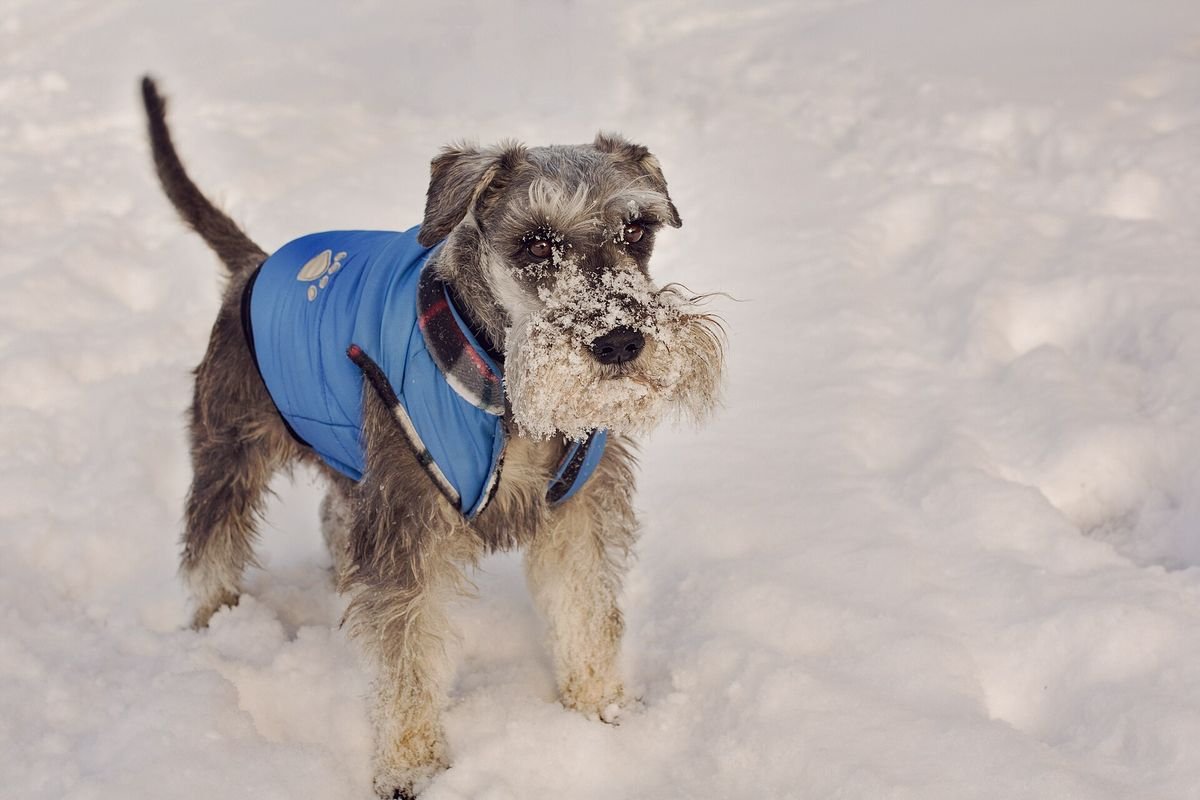
- Often yes: small and toy dogs, short-coated or thin, lean dogs (such as greyhounds and whippets), hairless breeds, very young puppies, and senior or unwell dogs often benefit from a coat in cold weather.
- Usually no: thick double-coated breeds such as huskies, malamutes and Bernese mountain dogs usually do not need one for normal walks.
- Watch your dog, not just the thermometer: shivering, lifting paws, slowing down or wanting to go home are signs your dog is too cold.
- Fit matters: full chest and belly coverage, free leg movement, no rubbing, and a design that works with your harness.
- Feet need care too: boots or paw wax help with ice, salt and chemical de-icers – and wipe paws after walks.
- Supervise: do not leave a dog alone in a coat for long periods, and do not let them sleep in a wet coat.
Which dogs need a winter coat (and which do not)
It comes down to body size, coat type, body fat, age and health. Small dogs lose heat faster for their size. Short, single-coated dogs such as Chihuahuas, boxers and Dobermans have little natural insulation, and lean sighthounds like greyhounds and whippets carry little body fat. The ASPCA’s cold weather tips suggest a coat or sweater with a high collar, covering from the base of the tail to the belly, for short-haired dogs.
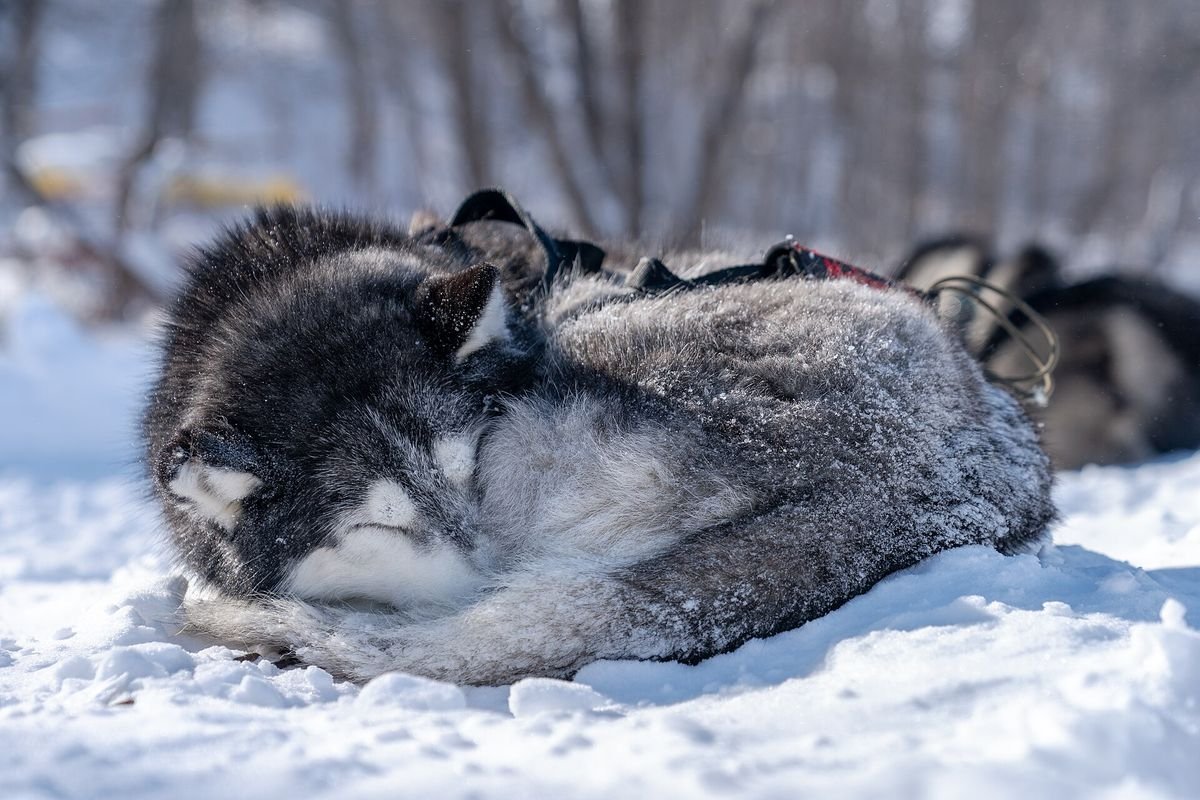
Cold-climate breeds – huskies, malamutes, Samoyeds, Bernese mountain dogs, Newfoundlands and Great Pyrenees – have a dense double coat that already does the job, and a heavy coat on an ordinary walk can make them overheat. Even so, AVMA guidance notes that cold-tolerant breeds still should not be left outside for long periods in very cold weather.
Age and health matter too. Puppies are less able to regulate body temperature, and older dogs often have less muscle and move more slowly. Arthritic dogs can feel stiffer in the cold, and conditions like heart disease or diabetes can affect how a dog copes. For older dogs, our senior dog winter care guide covers joints, bedding and shorter walks.
Cold tolerance also varies by individual, and dogs used to cold winters may cope better than the same breed from a warm climate. Still, never push a shivering dog to keep going.
How cold is too cold for a dog?
No single number fits every dog. The ASPCA’s rule of thumb is that if it is too cold for you, it is probably too cold for your pet. The AVMA’s cold weather safety advice is to learn your own pet’s tolerance, shorten walks in very cold weather, and contact your vet if your pet is shivering or extremely lethargic after being outside.
As a rough starting point, PetMD’s vet-written guide describes general ranges: below about 45 degrees F, some cold-averse dogs may start to feel uncomfortable; below about 32 degrees F, small, thin-coated, very young, old or sick dogs could be in danger if they spend too much time outdoors; and below about 20 degrees F, any dog could develop hypothermia or frostbite during extended time outside. These are guides, not cutoffs. Wind pulls heat through the coat, wet fur insulates far less than dry fur, and longer exposure raises the risk.
Signs your dog is too cold
Shivering, lifting paws, a tucked tail, hunching or slowing down mean it is time to head inside. PetMD’s vet-reviewed hypothermia guide lists shivering, stiffness, lethargy, pale gums and trouble walking; as it worsens, shivering may stop and a dog can collapse. PetMD advises getting a dog you suspect is hypothermic to a vet right away, wrapped in blankets and warmed gradually – not with a heating pad.
Frostbite most often affects the paws, ears and tail. VCA Animal Hospitals lists pale, gray or bluish skin that feels cold and hard, swelling and pain. VCA advises seeing a vet right away, and not rubbing the area or using a heating pad or hair dryer.
Dog coat vs sweater vs jacket: what is the difference
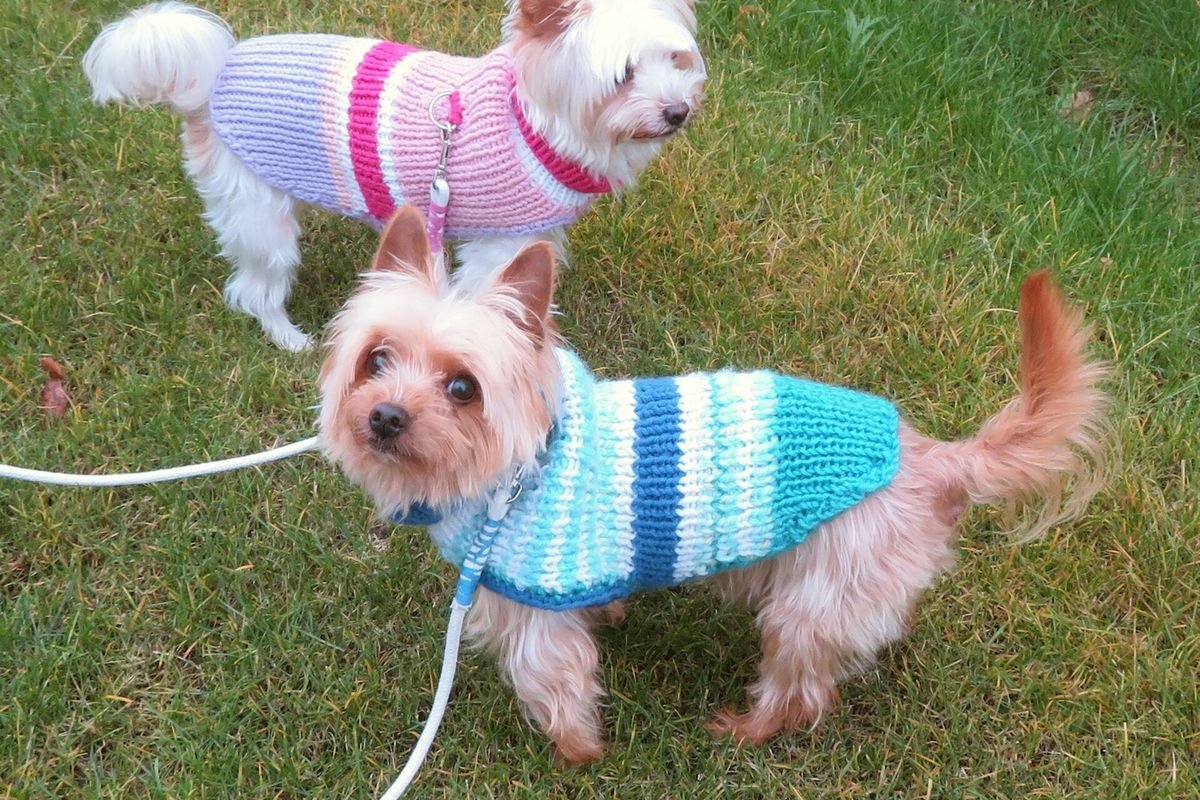
The terms get used loosely, but each type does a different job. A sweater adds a little warmth; an insulated waterproof coat is for real cold and wet.
| Type | Best for | Pros | Watch out for |
|---|---|---|---|
| Knit sweater | Small or thin dogs in cool, dry weather; chilly homes | Soft, light, easy to layer | Not windproof; loses warmth when wet; loops can snag nails |
| Fleece pullover or vest | Mild cold, short walks, layering | Warm for its weight, dries fairly fast, often washable | Little wind or rain protection; some dogs dislike over-the-head styles |
| Insulated waterproof winter coat or parka | Snow, sleet, freezing temperatures | Insulation plus a weather shell; good chest coverage | Can overheat dogs indoors or on active walks; bulkier |
| Rain shell or softshell | Cool rain and wind; double-coated dogs that just need to stay dry | Light, keeps fur drier | Little insulation on its own |
| Reflective high-visibility coat | Dark mornings and evenings, roadside walks | Helps drivers see your dog | Reflective trim does not mean the coat is warm |
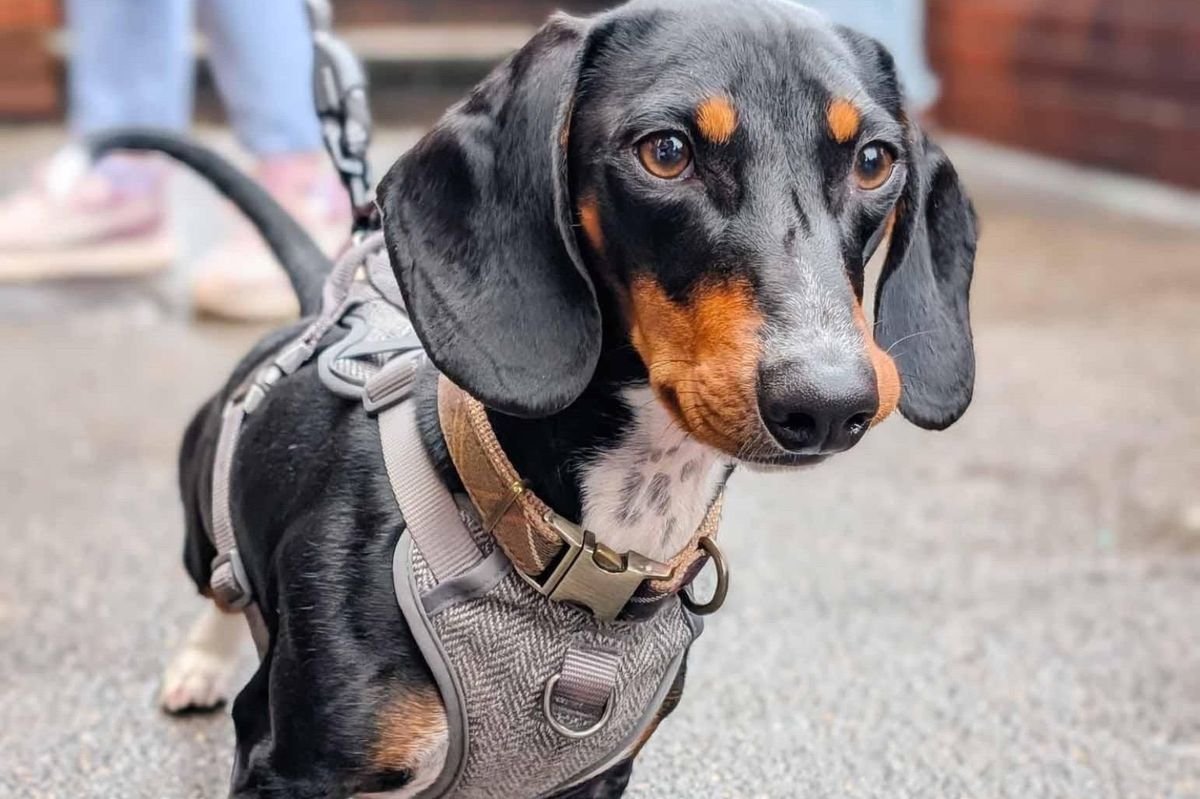
| Coat with harness opening or built-in harness | Dogs who walk on a harness daily | Leash clip stays accessible; fewer layers | Built-in harnesses may not suit strong pullers; opening must line up |
| Full-body snowsuit | Small, short-legged or hairless dogs in deep snow | Covers legs and belly; fewer snowballs in fur | Harder to fit; can restrict movement or toileting |
| Dog boots | Salted sidewalks, ice, packed snow | Protect pads from salt, de-icers and sharp ice | Need good fit and practice; loose boots slip or rub |
For materials, start with the outer layer. A waterproof or water-resistant shell matters most in snow and sleet, because wet fur loses its insulation; a fleece or quilted lining adds warmth. “Water resistant” usually means it sheds light snow, while “waterproof” is meant for sustained wet.
Then check the practical details: machine-washable fabric for rinsing off salt, reflective trim for dark evenings, and fastenings that do not catch fur. In mixed weather, fleece plus a light shell can beat one heavy coat.
How to measure your dog and get the right fit
Sizing is where most coat problems start, because “small” and “large” mean different things at every brand. With your dog standing, take three measurements with a soft tape:
- Back length: from the base of the neck to the base of the tail.
- Chest girth: around the widest part of the chest, just behind the front legs – often the most important number.
- Neck: around the neck where a collar sits.
Compare those with the size chart for the exact coat, not your dog’s size in another brand. Deep- or barrel-chested dogs often need adjustable styles. Once it arrives, check that:
- You can slide two fingers under the straps and neck opening.
- Nothing rubs in the armpits or behind the front legs.
- Your dog can walk, sit, lie down and toilet normally – for male dogs, make sure the belly panel does not sit where they pee.
- The collar or hood does not cover the eyes or press on the ears.
- The leash opening lines up with your harness D-ring without bunching.
Still choosing a harness to pair with a coat? Our guide to the best dog harnesses for 2026 covers fit and styles. A slim, well-fitted harness usually layers better with a coat than a bulky one.
Getting your dog used to wearing a coat
Many dogs accept a coat with no fuss, but some freeze or try to wriggle out. Go slowly: let your dog sniff the coat and reward them, drape it over their back and reward again, then over several short sessions work up to fastening it, wearing it indoors, and a short walk.
Never force it. Lip licking, yawning, a tucked tail, freezing or hiding are stress signals – go back a step. Step-in designs are often easier for nervous dogs than pullovers. At home, take the coat off so your dog does not overheat.
Paws, boots and ice melt: protecting feet in winter
Road salt and chemical de-icers can irritate and dry out paw pads, and many ice melts can be harmful if a dog licks them off their feet. The ASPCA recommends washing and drying your dog’s feet and belly after walks, checking pads for cracks or redness, and using pet-friendly ice melts whenever possible; the AVMA also recommends pet-safe de-icers.
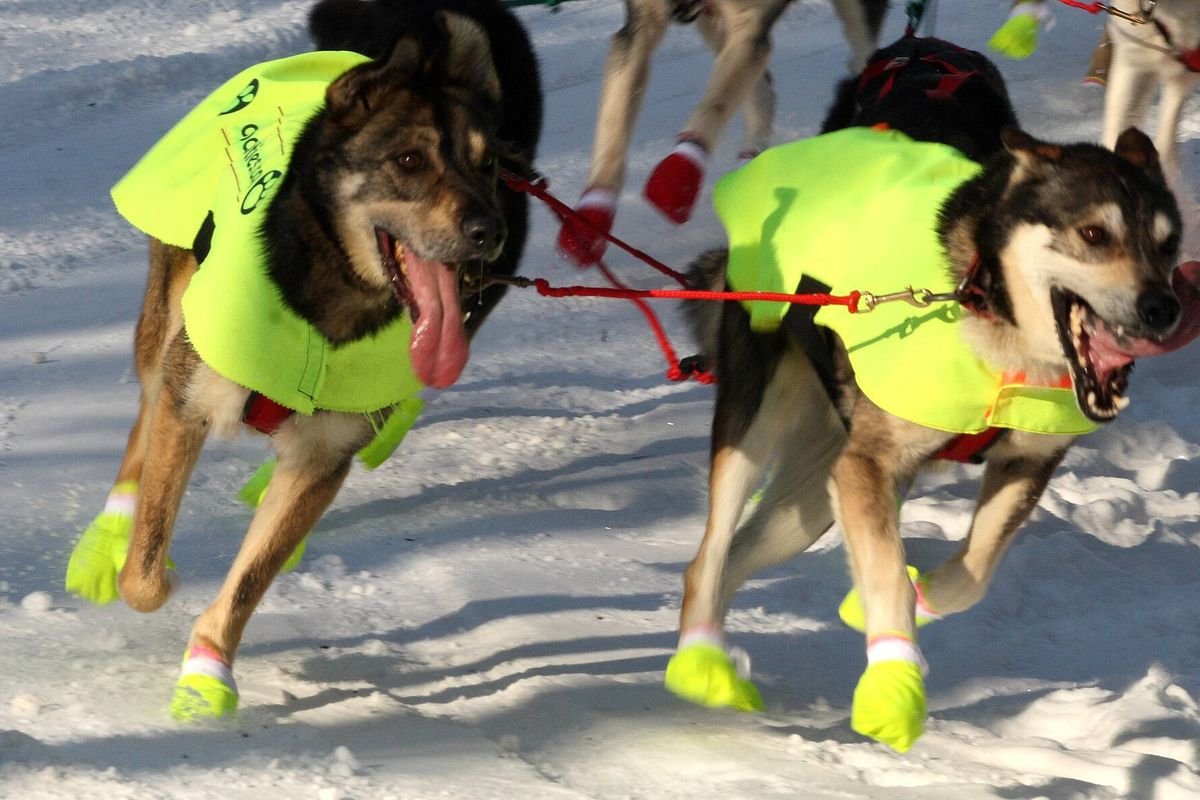
Antifreeze is a bigger danger. The ethylene glycol in many antifreezes tastes sweet, so pets may drink it, and a small amount can be fatal. Clean spills right away and store containers out of reach; products made with propylene glycol are considered less toxic. If you think your dog swallowed antifreeze or ice melt, do not wait for symptoms – call your vet, an emergency clinic, or the ASPCA Animal Poison Control Center (888-426-4435, open 24/7; a fee may apply).
- Wipe paws after every walk and dry between the toes.
- Trim fur between the pads on long-haired dogs so ice and salt have less to cling to.
- Consider boots. Measure paw width as the brand directs and practice indoors with treats.
- Try paw wax if your dog refuses boots – a barrier, not a guarantee.
- Use pet-friendly ice melt at home, but “pet safe” labels are not a guarantee.
Coat safety: when a coat can cause problems
A coat is for time outside, not all-day wear. Dogs can overheat in a coat indoors, in a warm car or during energetic play. A soaked coat loses much of its warmth, so keep a spare and towel your dog dry. Some dogs chew straps, and a slipping coat can catch a leg, so do not leave a dog alone in one for long or let them sleep in a damp one.
Most importantly, a coat is not a substitute for shelter. The ASPCA advises keeping pets indoors in cold weather and never leaving them alone in a cold car. AVMA guidance says any dog spending time outdoors needs a dry, draft-free, insulated shelter and unfrozen water. In extreme cold, keep walks short.
Our research-based picks
These picks are based on listings and brand specifications, not hands-on testing. Listings, versions and stock change often, so check the current page, colors and size chart before buying.
Winter coat for medium and large dogs
Spark Paws Dog Winter Coat Jacket is fleece-lined, comes in sizes from small to 4XL, and has a wide-opening front, so there are no sleeves to wrestle with. The listing mentions a leash opening and reflective details. The brand says it is water resistant and windproof, not waterproof, so it suits cold, snowy walks better than steady rain.
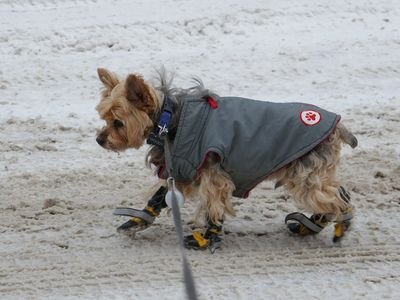
Padded dog winter coat (item type, not the exact product). Photo: Chrisking1977, CC BY-SA 4.0, via Wikimedia Commons (resized)
Spark Paws Dog Winter Coat Jacket
Fleece-lined coat, sizes S-4XL, leash opening; water resistant, not waterproof – best for cold, snowy walks.
Check price on AmazonEasy on, easy off coat for small dogs
Gooby Padded Vest Dog Jacket is a padded, fleece-lined vest for small breeds. Its step-in design with a back zipper suits dogs that dislike pullovers, and a back D-ring handles quick outings. Gooby’s sizing differs between products, so check this vest’s chart.
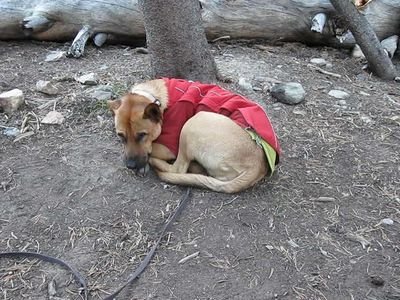
Small-dog padded vest (item type, not the exact product). Photo: Mitch Barrie from Reno, NV, USA, CC BY-SA 2.0, via Wikimedia Commons (resized)
Gooby Padded Vest Dog Jacket
Step-in padded fleece vest for small dogs who dislike pullovers; back D-ring for quick outings.
Check price on AmazonFleece sweater for chilly days and cold homes
Fitwarm 2 Pack Striped Fleece Dog Sweater gives you two soft pullovers for small dogs, so one can be in the wash. It suits cool, dry days and drafty homes, but offers little protection from wind or wet.

Dog sweater (item type, not the exact product). Photo: Shsia12, CC BY-SA 4.0, via Wikimedia Commons (resized)
Fitwarm 2 Pack Striped Fleece Dog Sweater
Two soft fleece pullovers for small dogs on cool, dry days or in drafty homes.
Check price on AmazonCoat with a built-in harness
Queenmore Dog Coat with Harness pairs a waterproof Oxford shell and sherpa fleece lining with a built-in chest harness and D-ring, and closes with a back zipper in sizes small to 3XL. It is convenient for calm walkers; for strong pullers, a separate well-fitted harness may be safer. Measure carefully against the chart.

Coat worn with a harness (item type, not the exact product). Photo: Caroll Cantillo, CC0, via Wikimedia Commons
Queenmore Dog Coat with Harness
Waterproof shell, sherpa lining and built-in harness; suits calm walkers, check the size chart.
Check price on AmazonDog boots for salt and slush
PawZ Rubber Dog Boots are thin, natural rubber booties sold in multi-packs, designed to be waterproof and grippy; some dogs accept them more easily than bulky boots. The brand says sizes run small, so check the chart and pick the right variant.
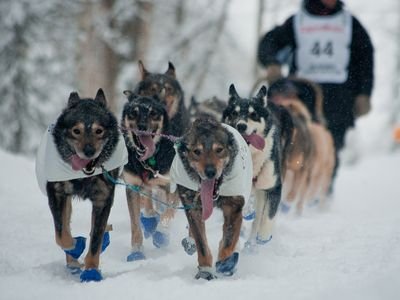
Dog booties (item type, not the exact product). Photo: Frank Kovalchek from USA, CC BY 2.0, via Wikimedia Commons (resized)
PawZ Rubber Dog Boots
Thin waterproof rubber booties for salted sidewalks; sizes run small, so measure paws first.
Check price on AmazonPaw wax for dogs who will not wear boots
Natural Dog Company PawTection is a plant-based wax stick you apply to clean, dry pads before a winter walk to help form a barrier against snow, ice and salt. It does not replace wiping paws afterward.

Salted winter sidewalk (item type, not the exact product). Photo: Phillip Capper from Wellington, New Zealand, CC BY 2.0, via Wikimedia Commons (resized)
Natural Dog Company PawTection
Plant-based paw wax stick applied before walks; a barrier for dogs who refuse boots.
Check price on AmazonFAQ
Do dogs really need winter coats?
Some do. Small, short-coated, lean, hairless, young, senior and unwell dogs often benefit; thick double-coated breeds usually do not.
How cold is too cold to walk my dog?
There is no single cutoff. PetMD’s vet-written guidance treats below about 45 degrees F as uncomfortable for some cold-averse dogs, below about 32 degrees F as risky for small, thin-coated, young, old or sick dogs, and below about 20 degrees F as a hypothermia and frostbite risk for any dog outside for long. Wind and wet make it worse, so shorten walks and watch your dog.
Should my dog wear a coat indoors?
Usually not, because it can cause overheating. A light sweater may help a small or elderly dog in a chilly home.
Can a dog wear a coat with a harness?
Yes. Choose a coat with a leash opening that lines up with your harness ring, or one with a built-in harness.
Do dog boots really help?
They can, especially on salt and ice, if they fit well and your dog gets time to adjust.
Is ice melt dangerous for dogs?
Many ice melts can irritate paws and may be harmful if licked or eaten. Wipe paws after walks and call your vet or ASPCA Animal Poison Control if your dog eats some.
What size coat does my dog need?
Measure back length, chest girth and neck, then use that brand’s size chart. Chest girth is often the key number.
Are sweaters enough for small dogs?
For cool, dry days, often yes. In wind, rain, snow or freezing temperatures, an insulated, water-resistant coat is better.
Bottom line
A dog winter coat makes sense for small, short-coated, thin, young, senior or unwell dogs, and usually not for thick-coated breeds. Measure carefully, take it off indoors, look after those paws, and watch your dog more than the forecast.
If you are stocking up on winter gear, our roundup of Black Friday and Cyber Monday pet deals may help, and our honest guide to senior dog care covers older dogs year-round.