
As an Amazon Associate, PetKiddies earns from qualifying purchases. We may also earn from other affiliate links on this page at no extra cost to you.
A quick note: we are not vets, and we have not hands-on tested the products below. Our picks are research-based – product listings, owner reviews and guidance from veterinary sources. If your senior dog seems stiff, sore or unwell, please talk to your vet.
Last updated: Oct 23, 2026
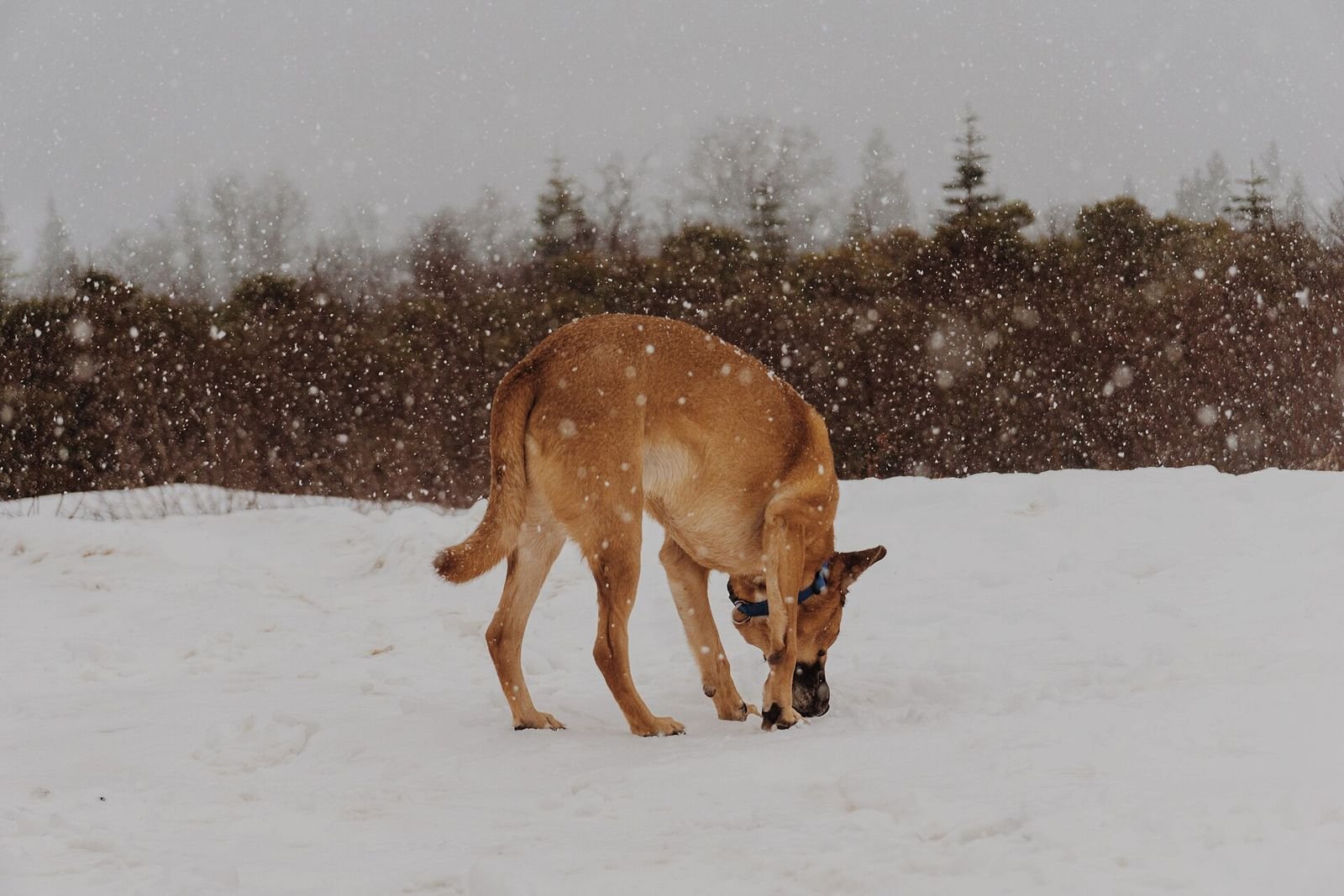
The first frosts of the season have already arrived in parts of the country, and if you share your home with an older dog, you may have noticed them moving a little slower on chilly mornings. Here is the short answer: cold weather does not cause arthritis, but many owners find that stiff, sore senior dogs look worse when it is cold and damp. Warmth, good traction, a healthy weight, gentle daily movement and a pain plan from your vet help most.
Why winter can be harder on older dogs
“Senior” does not start at the same age for every dog. According to the American Kennel Club, small breeds are often considered seniors somewhere between 8 and 12 years old, while giant breeds may get there as early as 6 or 7.
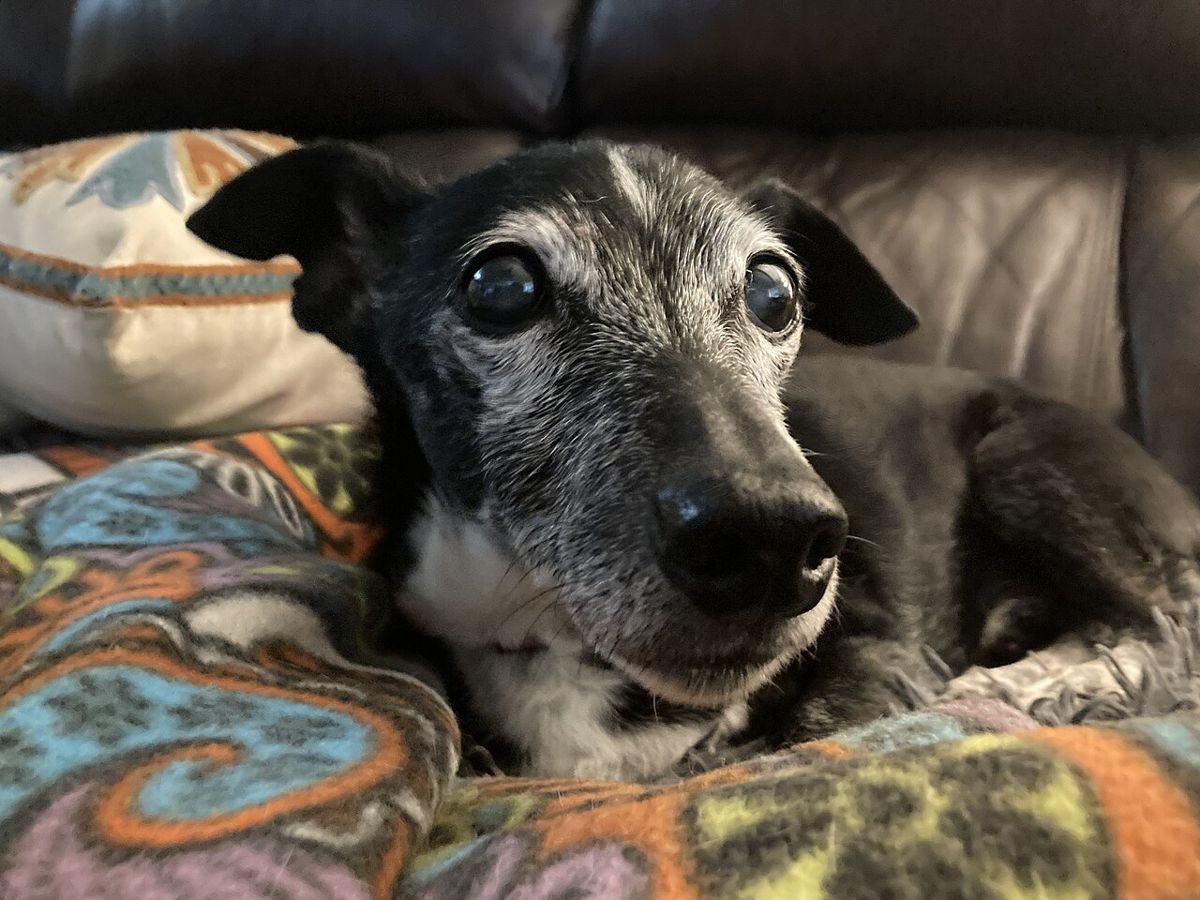
Older dogs also handle cold less well. The AKC notes that senior dogs of all breeds and sizes are more susceptible to the cold than healthy adult dogs, and that the same can be true for dogs with arthritis. Osteoarthritis is a common cause of stiffness: the American College of Veterinary Surgeons explains that aging cartilage is less able to repair itself, and that older, overweight large-breed dogs are commonly affected.
What about the weather itself? The American Veterinary Medical Association notes that cold weather may worsen some medical conditions such as arthritis, and plenty of owners say their dog seems stiffer in cold, damp spells. Exactly why is not well understood. One simple explanation is that dogs move less in winter, and less movement means stiffer joints.
Signs your senior dog is struggling with the cold or joint pain
Arthritis pain often creeps in slowly, so changes are easy to write off as “just getting old.” Watch for:
- Difficulty getting up, or stiffness after a nap
- Reluctance to jump into the car or onto furniture
- Hesitating at stairs
- Limping, a stiff gait or bunny-hopping with the back legs
- Sitting with one leg stuck out or leaning on one hip
- Lagging behind on walks or wanting to turn home early
- Shivering, curling up tightly or hunting for the warmest spot in the house
- Being less active overall
Many of these overlap with other age-related problems, so mention any changes to your vet. Our honest guide to senior dog care covers the bigger picture.
Here is a quick reference for common cold-weather problems in older dogs.
| Winter problem | What helps at home | When to call the vet |
|---|---|---|
| Morning stiffness | Warm bed off the floor, a few minutes of easy walking to warm up, healthy weight | Stiffness getting worse, limping, or crying out when moving |
| Slipping on hard floors | Rugs or runners, trimmed nails and paw fur, toe grips | Falls, or your dog cannot get up on their own |
| Cold on walks, shivering | Shorter walks, a well-fitted coat, towel dry after wet walks | Shivering that will not stop, weakness or sluggishness (possible hypothermia) |
| Cracked or salt-irritated paws | Wash and dry paws after walks, paw balm, booties | Bleeding, swelling, limping or constant licking of one paw |
| Snow and ice balling between toes | Trim the hair between the toes, check paws after walks | Cuts or sores that do not heal |
| Weight gain from less exercise | Adjust portions, short frequent walks, indoor games | Weight gain or loss you cannot explain |
| Dry, itchy skin indoors | Towel dry after walks, bathe less often, consider a humidifier | Hair loss, sores or itching that does not settle |
| Antifreeze or ice-melt exposure | Store chemicals safely, clean spills, use pet-friendly ice melt | Immediately – this is an emergency |
Keep them warm, indoors and out
Start with the bed. Put it in a warm, draft-free spot, off cold tile. A supportive orthopedic or memory foam bed can make it easier for a stiff dog to settle and get back up. We compare options in our best dog beds roundup.
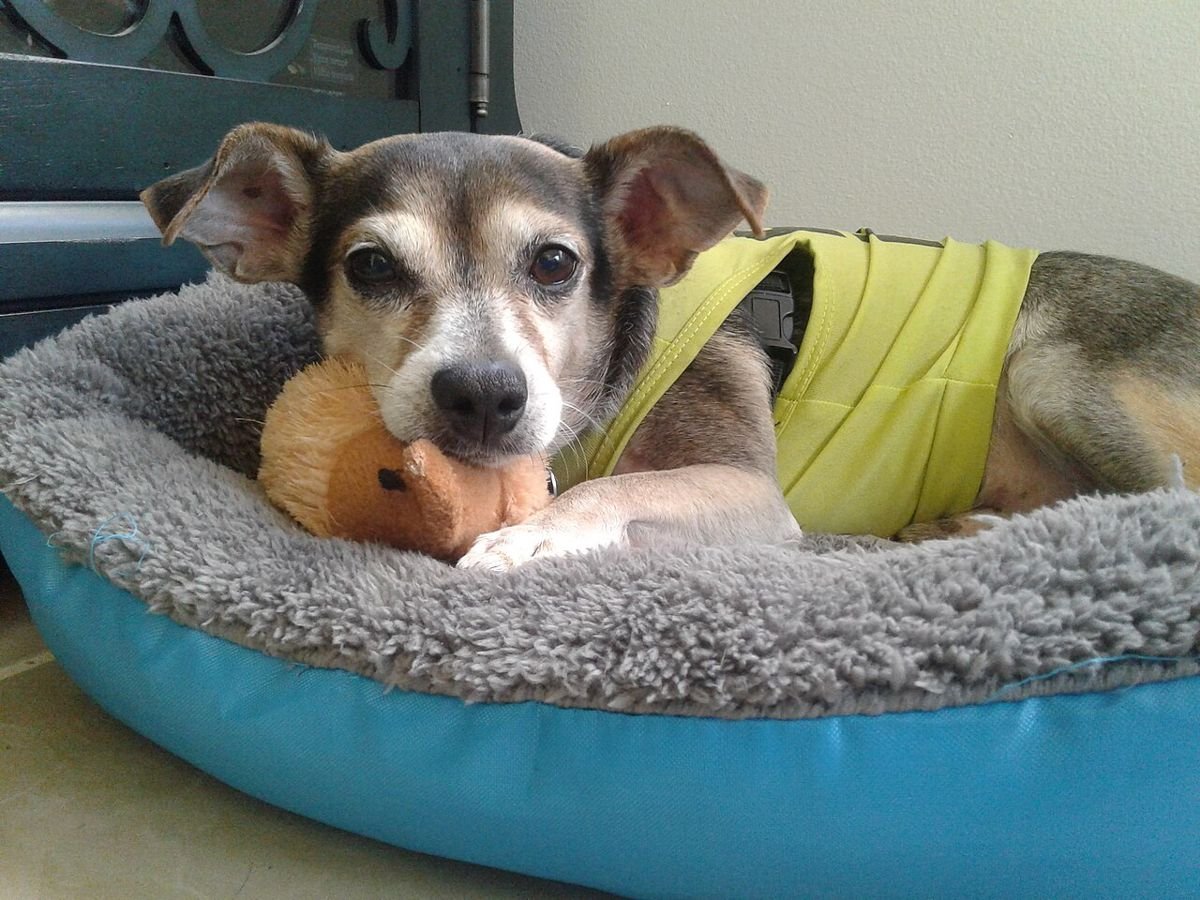
Outdoors, think about clothing. The AKC says small and toy breeds, thin-coated dogs, shaved dogs and seniors are most likely to benefit from a sweater, while healthy large dogs with thick coats usually do not need one. A good coat lets your dog move freely, and harness wearers need one with a harness or leash opening – the AKC’s guide to winter coats has more on fit. Keep walks shorter on very cold days and towel dry your dog afterward. As the ASPCA puts it, if it is too cold for you, it is probably too cold for your pet.
Be careful with heat sources. Heated beds can feel lovely on sore joints, but the AKC warns that a dog with mobility issues who cannot get up easily may overheat or be burned, and advises supervising any use of a heated bed or pet heating pad. Self-warming beds, which reflect your dog’s own body heat and need no electricity, are a lower-risk option. Do not use a human heating pad without asking your vet.
Traction and mobility around the house
Slick hardwood, tile and laminate can be a real obstacle for a dog with weak back legs. The AVMA notes that arthritic and elderly pets may have more difficulty walking on snow and ice and may be more prone to slipping and falling, and shiny floors cause similar trouble indoors. Non-slip rugs or runners along your dog’s main routes are one of the cheapest fixes there is.
A few other ideas that may help:
- Trim nails and paw fur. Long nails and fluffy fur between the pads can reduce grip.
- Try toe grips or non-slip socks. Some owners find these helpful; results vary, and some dogs will not tolerate them.
- Use ramps or pet steps for the car, couch or bed instead of letting your dog jump.
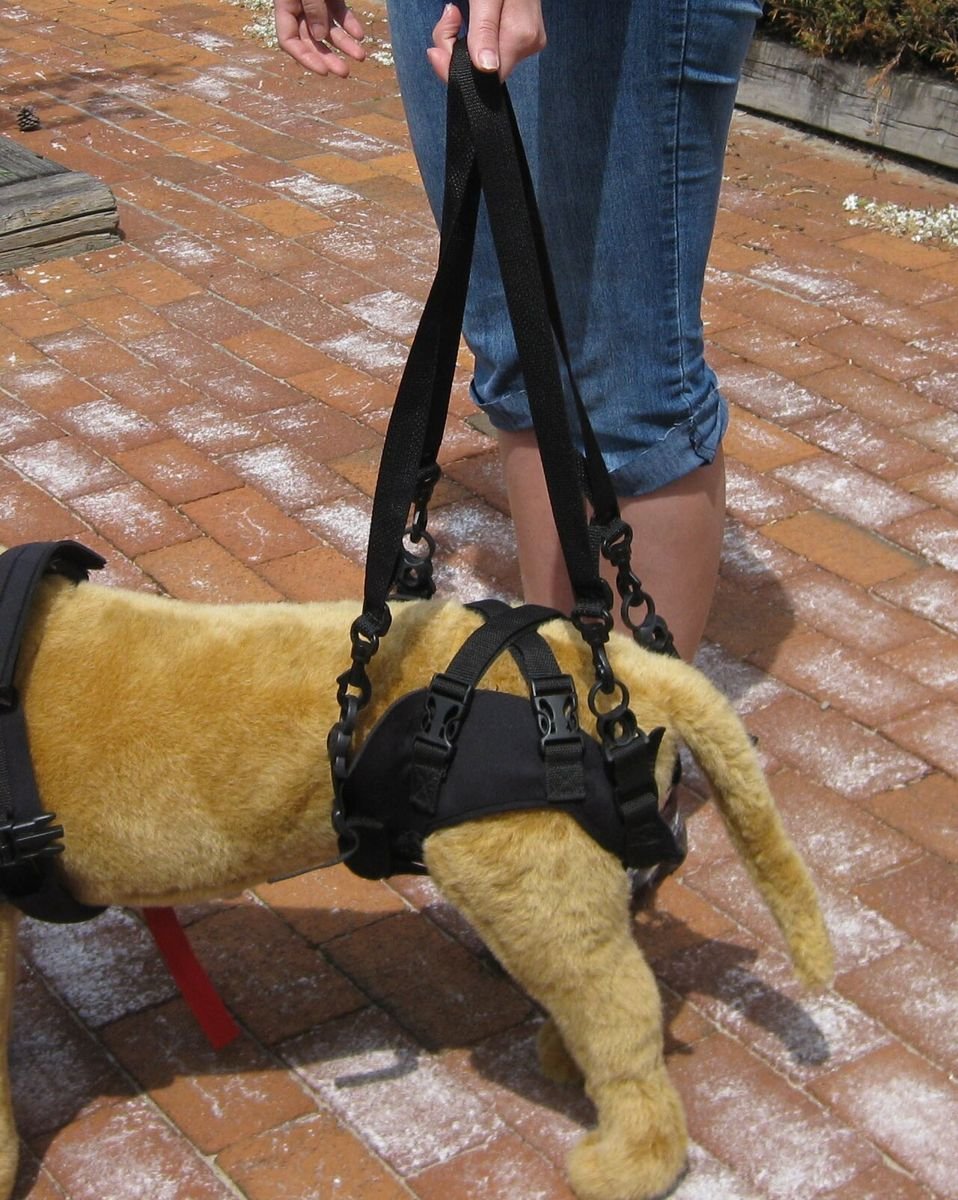
- Consider a support harness with a handle so you can steady your dog on stairs. Our dog harness guide covers different styles.
- Add a night light if your dog’s eyesight is fading.
Paw care: ice melt, salt and antifreeze
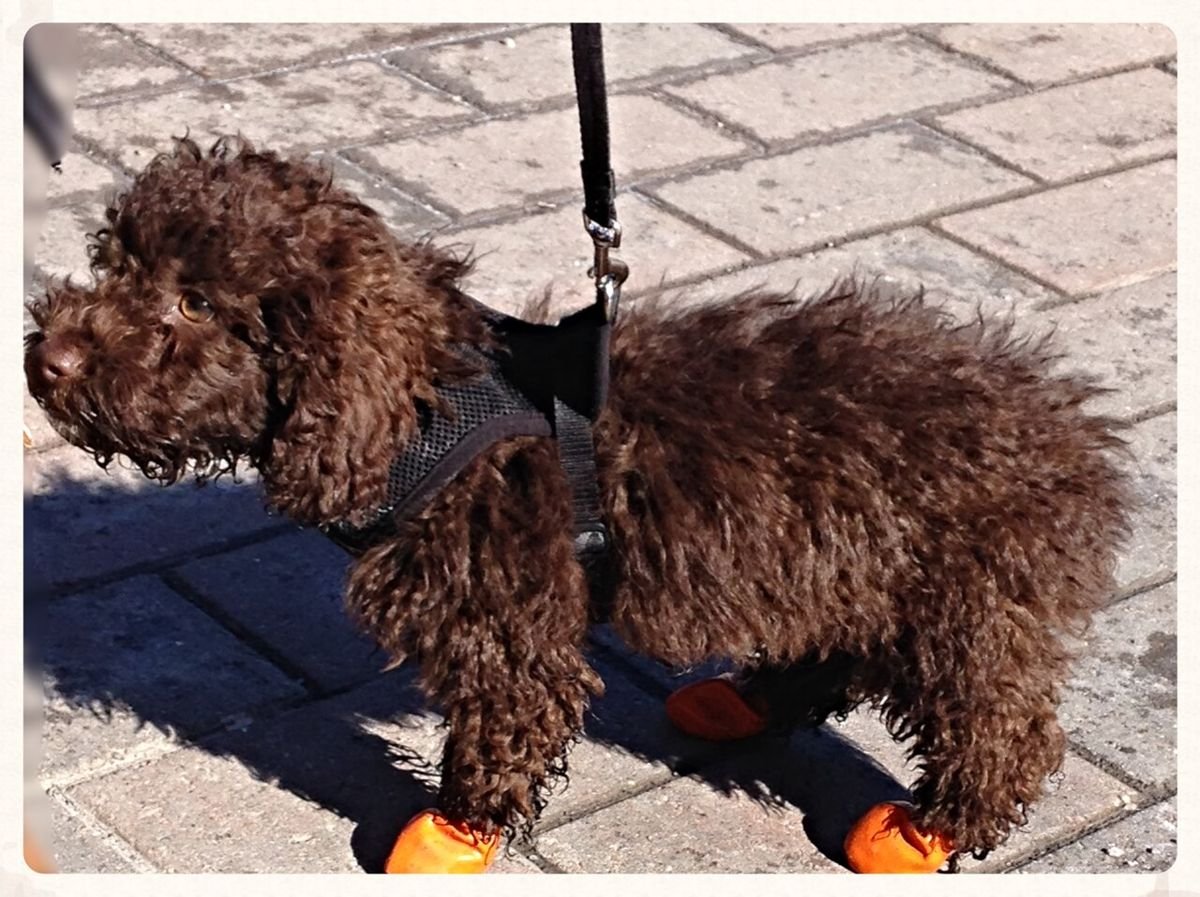
Ice melt, road salt and dry winter air can leave paws chapped and sore. The ASPCA recommends washing and drying your dog’s feet and stomach after each walk to remove ice, salt and chemicals, and using pet-friendly ice melt whenever possible. Its cold weather safety tips also suggest trimming the hair between the toes of long-haired dogs and removing snow balls from between the pads. Paw balm or well-fitted booties add a barrier; most dogs need some short practice sessions before they accept boots.
Antifreeze deserves its own warning. Ethylene glycol, the main ingredient in many antifreezes, tastes sweet to dogs, and VCA Animal Hospitals notes that a tiny amount can cause severe poisoning. Clean up drips in the garage or driveway right away and store containers out of reach. If you think your dog has licked antifreeze or eaten ice melt, do not wait for symptoms: call your vet, an emergency clinic or the ASPCA Animal Poison Control Center at (888) 426-4435 (a consultation fee may apply).
Keep them moving gently, and keep weight down
It is tempting to let an older dog hibernate all winter, but gentle, regular movement helps keep joints and muscles working. The ACVS recommends controlled, low-impact activity such as leash walks rather than running and jumping. That might mean two or three short walks instead of one long one, a slow warm-up, and indoor games like nose work.
Weight matters just as much. The ACVS calls a slender body weight “by far the most critical aspect” of managing osteoarthritis. In a 14-year study of 48 Labrador retrievers reported by the University of Pennsylvania, dogs fed 25 percent fewer calories than their littermates lived a median of 1.8 years longer and needed osteoarthritis treatment later in life. A less active dog may need fewer calories, so ask your vet about portions. Our senior dog food buyer’s guide can help.
Pain relief: talk to your vet first
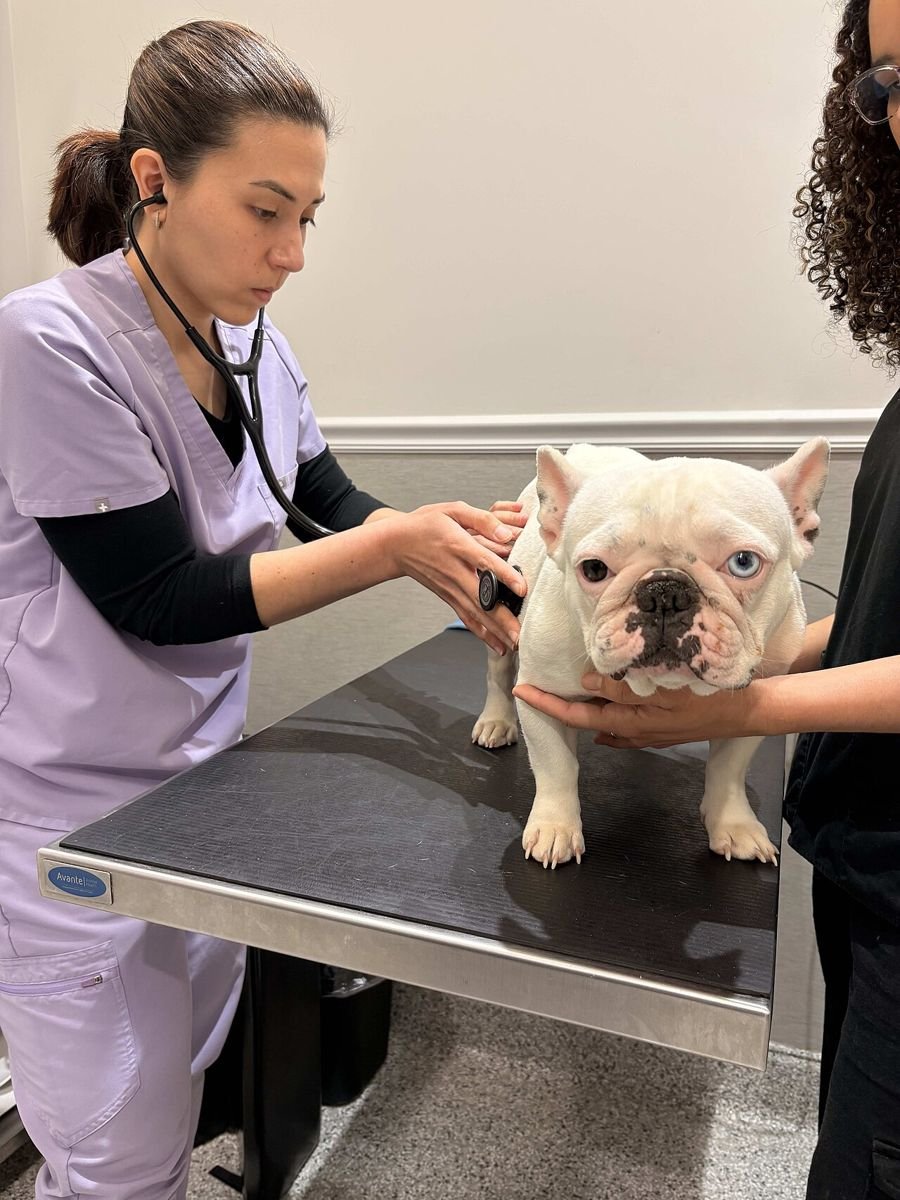
If your dog is clearly sore, a vet visit is the best next step. Depending on your dog’s health, a vet may discuss prescription anti-inflammatory drugs (veterinary NSAIDs), other pain medications, joint injections, physical rehabilitation and a weight-loss plan. The FDA notes that even veterinary NSAIDs can cause side effects, so your vet may recommend bloodwork and regular rechecks.
Never give your dog human pain relievers on your own. According to the ASPCA, ibuprofen and naproxen can cause stomach ulcers and kidney failure in pets, and acetaminophen can cause liver damage and damage to red blood cells. The FDA explains that human NSAIDs can last longer and reach higher levels in dogs. The ASPCA adds that aspirin can cause liver damage and stomach ulcers, so it is not a safe do-it-yourself fix either.
Joint supplements such as glucosamine and omega-3s are popular, but the evidence is mixed – see joint supplements for senior dogs: what actually works, and check with your vet first. For vet costs, our pet insurance guide may help, though pre-existing conditions are usually excluded.
Products that can help (research-based picks)
These picks are based on product listings, owner reviews and the veterinary guidance above – not hands-on testing. Check sizing charts carefully.
1. Memory foam bed: Furhaven Memory Foam Dog Bed
Furhaven Memory Foam Dog Bed is a widely sold mattress-style bed with a removable, washable cover in several sizes. A low, flat mattress can be easier for stiff seniors to step onto than a tall bolster bed. Like most foam beds, it is not a good match for heavy chewers.

Dog bed (item type, not the exact product). Photo: D Eaketts, CC BY-SA 4.0, via Wikimedia Commons (resized)
Furhaven Memory Foam Dog Bed
A low, supportive mattress bed for stiff seniors who struggle with tall bolster beds.
Check price on Amazon2. Cold-weather coat: Kurgo Loft Dog Jacket
Kurgo Loft Dog Jacket is a reversible, water-resistant coat that the listing says can be worn with a harness. It suits short-coated, small or thin seniors. Measure first, and check it does not rub or limit movement.
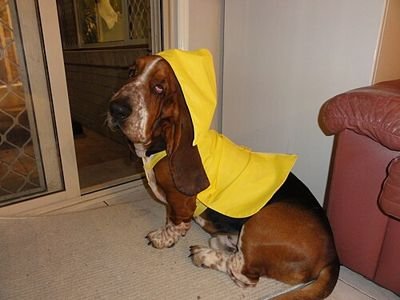
Dog coat (item type, not the exact product). Photo: Annette Teng, CC BY 3.0, via Wikimedia Commons (resized)
Kurgo Loft Dog Jacket
For short-coated, small or thin older dogs who feel the chill on walks.
Check price on Amazon3. Paw balm: Musher’s Secret Paw Wax
Musher’s Secret is a long-established wax-based paw balm many owners apply before winter walks as a barrier against salt and snow. A good fit for dogs who will not wear boots; deep cracks or sores need a vet check.
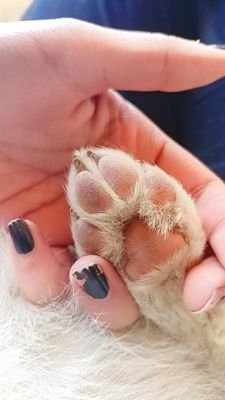
Dog paw pads, where paw wax goes (product not shown). Photo: Mahakhanswal, CC BY-SA 4.0, via Wikimedia Commons (resized)
Musher's Secret Dog Paw Wax
A simple paw barrier for dogs who walk on salted sidewalks but refuse boots.
Check price on Amazon4. Dog boots: Ruffwear Grip Trex
Ruffwear Grip Trex boots have rubber soles and adjustable straps, and are sold in pairs, so front and back paws can be sized separately. They suit dogs who walk on salted sidewalks. Expect a getting-used-to period.
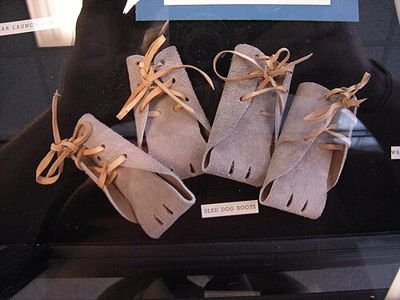
Dog boots (item type, not the exact product). Photo: Joe Mabel, CC BY-SA 3.0, via Wikimedia Commons (resized)
Ruffwear Grip Trex Dog Boots
For dogs walking on salt and ice who will tolerate wearing boots.
Check price on Amazon5. Traction: Dr. Buzby’s ToeGrips
Dr. Buzby’s ToeGrips are small rubber rings that slip onto the toenails to add grip on hard floors, marketed for senior and special-needs dogs. They come in sizes by weight (this link is Medium) and need occasional replacing.
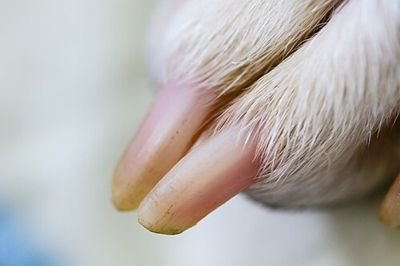
Dog toenails, where toe grips fit (product not shown). Photo: Jernej Furman, CC BY 2.0, via Wikimedia Commons (resized)
Dr. Buzby's ToeGrips for Dogs
For older dogs whose back legs slide on hardwood or tile floors.
Check price on Amazon6. Self-warming pad: K&H Self-Warming Crate Pad
K&H Self-Warming Crate Pad reflects your dog’s own body heat and needs no electricity, so there is no cord to chew and a lower overheating risk than a plug-in pad. It is thin, so layer it into a bed rather than replacing one.
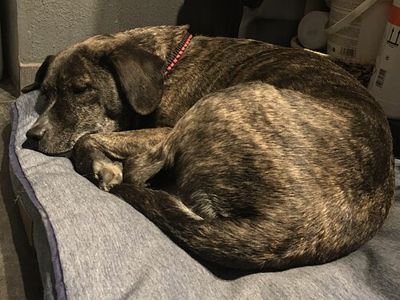
Padded pet mat (item type, not the exact product). Photo: Pittigrilli, CC BY 4.0, via Wikimedia Commons (resized)
K&H Pet Products Self-Warming Crate Pad
Cord-free extra warmth for seniors who cannot safely use a plug-in heated pad.
Check price on AmazonBlack Friday is only a few weeks away, so if you are not in a hurry, keep an eye on our Black Friday and Cyber Monday pet deals tracker.
When to see the vet
Winter stiffness that eases after a few steps is common, but some signs need prompt attention. Call your vet, or go to an emergency clinic, if you notice:
- Sudden lameness, or your dog will not put weight on a leg
- Crying out or snapping when touched or moving
- Your dog cannot get up or keeps collapsing
- Shivering that will not stop, weakness or sluggishness after being in the cold (possible hypothermia)
- Pale, gray or bluish skin, or skin that is cold, painful or swollen on the ears, tail or paws (possible frostbite)
- Any chance your dog has swallowed antifreeze or ice melt – an emergency
- Changes in appetite or drinking
Appetite changes in older dogs have many possible causes. If your dog is skipping meals, our guide to what to do when your dog stops eating can help you decide how quickly to act.
Senior dog winter care FAQ
Does cold weather make arthritis worse in dogs?
It can. The AVMA says cold weather may worsen some conditions such as arthritis, and many owners notice more stiffness in cold, damp spells, though the reasons are not well understood. Cold does not cause arthritis, but keeping your dog warm and gently active helps.
How cold is too cold for a senior dog?
There is no single safe temperature for every dog. Size, coat, body fat, health, wind and wet all matter, and senior, small and short-coated dogs lose heat faster. If it is too cold for you, it is probably too cold for your dog. Ask your vet about your dog’s limits.
Should my old dog wear a sweater?
Often, yes, if they are small, short-coated, thin or elderly – the AKC lists seniors among the dogs that benefit. Healthy large dogs with thick coats may not need one.
Are heating pads safe for older dogs?
They can be risky. Dogs who cannot easily get up may overheat or be burned. Supervise any heated pad, consider a self-warming pad instead, and ask your vet first.
Can I give my dog ibuprofen or aspirin for joint pain?
No – do not give any human pain reliever without your vet’s direction. Ibuprofen and naproxen can cause stomach ulcers and kidney failure in pets. Your vet can prescribe medications made for dogs.
Is ice melt dangerous for dogs’ paws?
It can irritate paws, and dogs may lick off the residue. Wash and dry paws after walks, and call your vet or poison control if your dog eats any.
The bottom line
Senior dog winter care comes down to a few simple habits: a warm bed off the floor, a coat that fits, rugs on slippery floors, clean paws after walks, short regular outings and a lean body weight to take pressure off sore joints.
Most of all, do not guess on pain. Your vet can build a pain plan and catch problems that look like “just old age” but are not.