
As an Amazon Associate, PetKiddies earns from qualifying purchases. We may also earn from other affiliate links on this page at no extra cost to you.
A quick note: we are not vets, and this is general information, not a substitute for your vet. If your dog ate a large amount, a casserole with xylitol, nutmeg, raisins or nuts, or seems unwell, call your vet or an emergency vet now. We researched veterinary and ASPCA/AKC/FDA guidance and product listings; we did not test any products.
Last updated: Nov 25, 2026
Thanksgiving is this Thursday, Nov 26, and plenty of dogs will be eyeing the sweet potatoes. Many owners are asking the same questions: is plain sweet potato fine, what about the skin, and what about the casserole with marshmallows and cinnamon?
Plain, cooked sweet potato is a reasonable treat, while the holiday versions are where trouble starts. Here is what the AKC, PetMD, ASPCA and others say.
Quick answer
- Plain and cooked is fine in small amounts. AKC and PetMD both say dogs can eat sweet potato when it is cooked.
- Skip raw sweet potato. Both AKC and PetMD say not to feed it raw.
- Peel it. AKC says to remove the skin, and PetMD says skins are best avoided.
- Casserole, candied yams and pie are not dog food. They usually add sugar, butter and spices, and may add marshmallows, nuts or raisins.
- Cats can have a tiny bite, but they do not need it.
Why plain sweet potato can be a good treat
AKC says sweet potatoes are an excellent source of dietary fiber and are low in fat. It also lists vitamins A, B6 and C, calcium, potassium and iron. PetMD describes them as providing fiber, antioxidants and vitamin A, and notes they are high in beta-carotene, which a dog’s body converts into vitamin A.
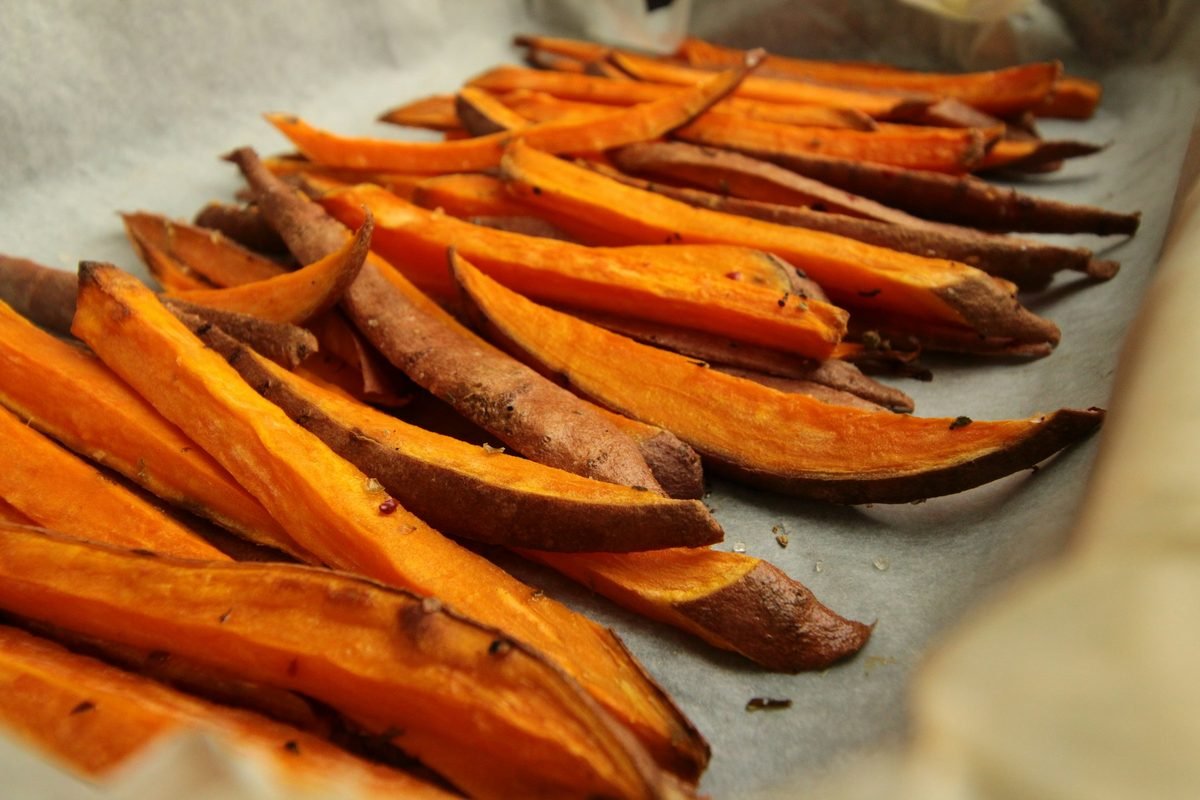
The ASPCA’s Thanksgiving tips suggest mixing pieces of turkey, sweet potatoes and green beans into your pet’s usual dinner. That matches what we say in our Thanksgiving foods guide: plain sweet potato is OK in small amounts, with no butter, sugar or seasoning. The ASPCA also says it recommends sticking to your pet’s normal diet on Thanksgiving.
How to serve sweet potato safely
- Wash and peel it.
- Cook it thoroughly (PetMD lists steaming, boiling, baking or microwaving).
- Chop or mash it so it is soft. AKC notes a soft texture lowers the choking risk for dogs that gulp.
- Serve it plain. PetMD says: do not add butter, oil, salt, sugar or seasonings.
How much? AKC gives no set amount; it says moderation is key and depends on your dog’s size, activity level and health. PetMD says treats should be no more than 10% of daily calories, and gives a guide of 1 tablespoon for extra-small dogs (2-10 lb) up to 4 tablespoons for extra-large dogs (91+ lb), 2-3 times per week. Ask your vet for your own dog’s amount.
Too much can cause trouble. PetMD says large amounts, especially raw, can cause gas, bloating, vomiting or diarrhea, and AKC quotes a vet warning that too much vitamin A can cause bone and muscle weakness. For diabetic dogs the sources differ: AKC advises caution because of a high glycemic index, while PetMD calls it relatively low and says to feed only if your vet recommends it.
Sweet potato dishes: what’s safe and what’s not
| Form | Verdict for dogs | Why |
|---|---|---|
| Plain baked or boiled, peeled | OK in small amounts | AKC and PetMD: cooked and plain, in moderation. |
| Raw | Avoid | AKC and PetMD: hard to chew and digest; risk of stomach upset, and AKC adds possible blockage. |
| Skin | Best avoided | AKC: harder to digest. PetMD: not toxic, but hard to digest and a choking or blockage risk. |
| Casserole with marshmallows | Avoid | Sugar and butter. PetMD says sugar-free marshmallows often contain xylitol, which is very bad for dogs. Check labels. |
| Candied yams or pie with spices | Avoid | PetMD: skip butter, sugar and molasses, and it names nutmeg as toxic in large amounts. |
| Fries or chips | Avoid | PetMD: usually cooked in oil and seasoned with salt, garlic or onion powder. |
| Dehydrated sweet potato chews | Occasional treat | PetMD mentions commercial sweet potato treats made for dogs. Check the label and size, and count them as treats. |
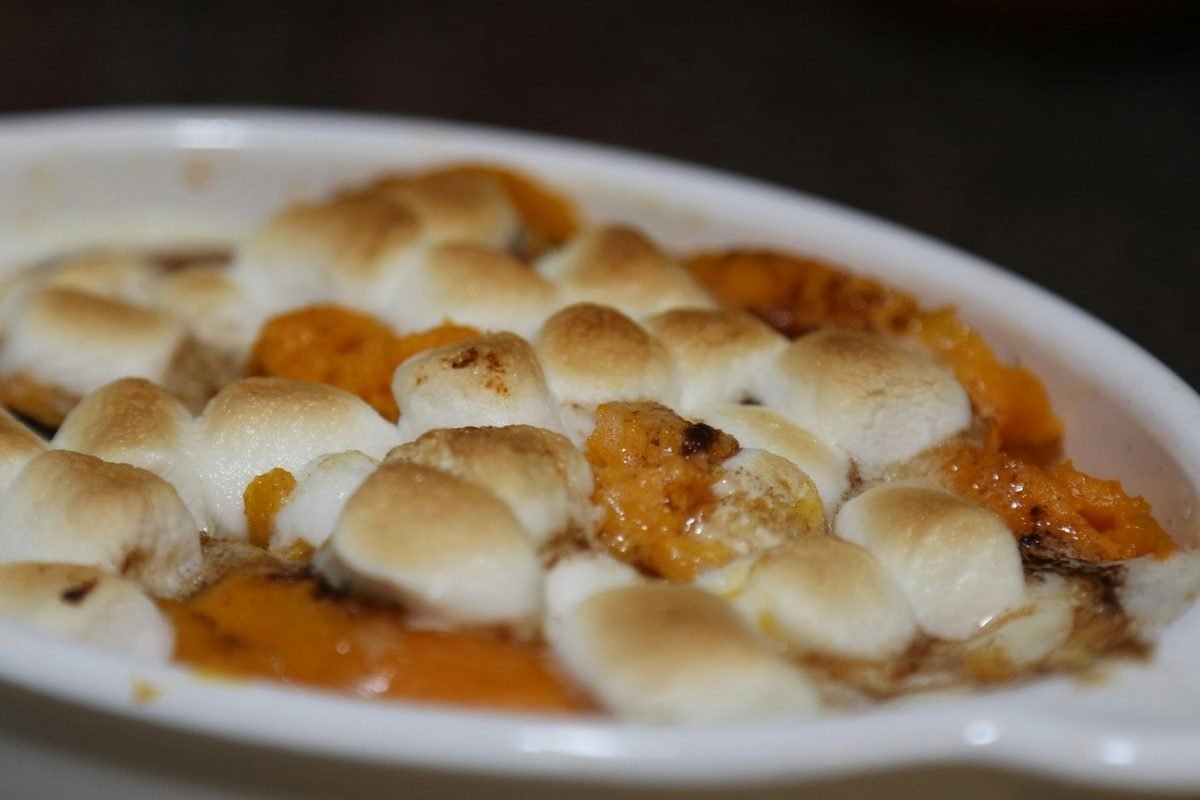
Pet Poison Helpline says cinnamon is generally well tolerated, though the powder can irritate the mouth and lungs, with concern above about 1 teaspoon for most pets. It says the small amount of nutmeg used in recipes is very unlikely to cause serious toxicity, though mild stomach upset could occur. The bigger casserole worries are fat, sugar, and any xylitol, raisins, nuts or onion. VCA says a fatty meal may trigger pancreatitis in some cases, and ASPCA says pecans and other nuts are high in fat and can cause vomiting, diarrhea and possibly pancreatitis.
Are yams the same as sweet potatoes?
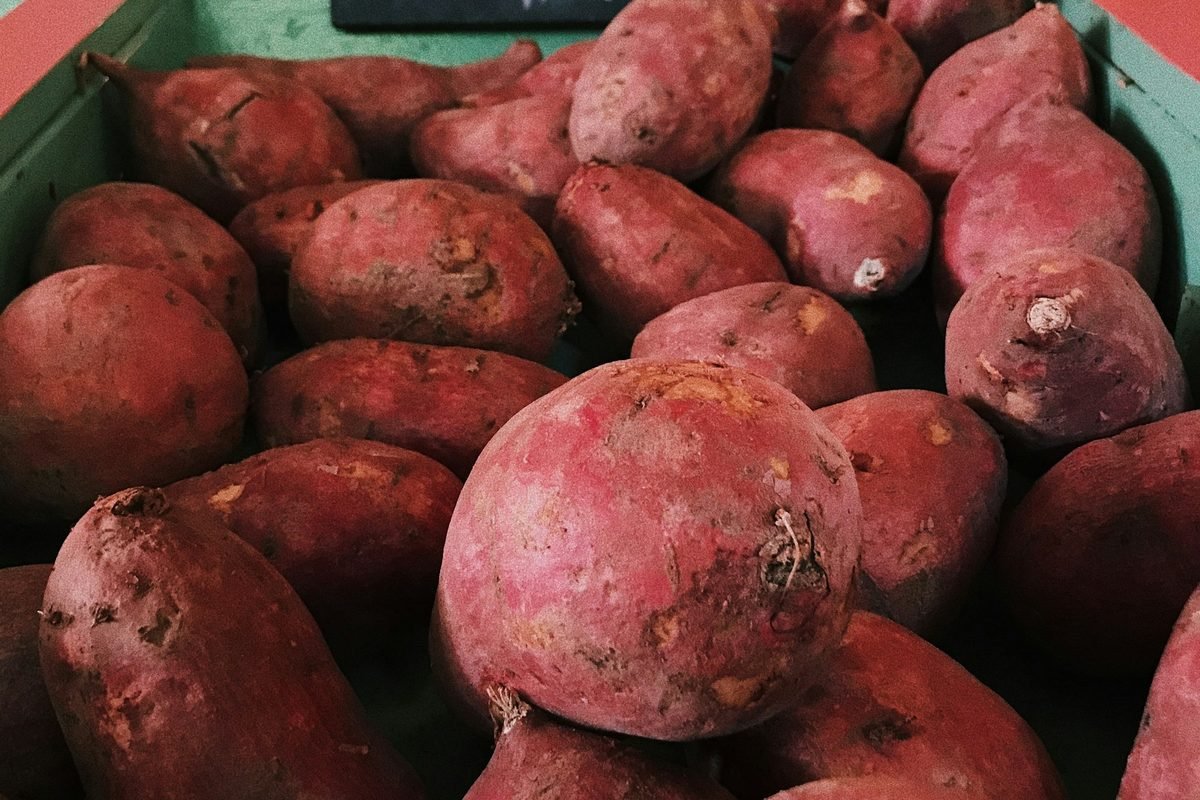
Usually, in US stores, yes. Illinois Extension, quoting the Library of Congress, says the soft orange sweet potatoes Americans call yams are still sweet potatoes, and that the USDA requires the label “sweet potato” when “yam” is used. True yams are a different plant, usually found only in specialty or international markets. The dog sources we read cover sweet potato, not true yams, so we have no veterinary guidance to share on those.
Sweet potatoes, grain-free food and DCM
In July 2018 the FDA began investigating reports of dilated cardiomyopathy (DCM), a heart condition, in dogs eating certain diets, many labeled grain-free, with peas, lentils, other legume seeds and/or potatoes as main ingredients. Its label analysis grouped “potatoes (including sweet potatoes)”. On Dec 23, 2022, the FDA said adverse event numbers alone do not establish a causal relationship, and that it does not intend to release further public updates until there is meaningful new scientific information.
This concerns whole diets, not a spoonful of mashed sweet potato. The FDA urges pet owners to work with their veterinarians for the most appropriate dietary advice, so talk to yours if you feed a grain-free food or plan a diet change.
My dog ate sweet potato casserole: what to do
- Take away what is left and note how much was eaten and when.
- Read the ingredients: look for xylitol, a lot of nutmeg, raisins, nuts, onion or garlic.
- Call your vet. For toxic ingredients you can also call ASPCA Animal Poison Control at (888) 426-4435 or Pet Poison Helpline at (855) 764-7661; a consultation fee may apply. See our poison control guide.
- Do not induce vomiting unless a vet tells you to. Pet Poison Helpline says vomiting at home can worsen signs with xylitol.
- Follow your vet’s advice rather than waiting to see what happens.

Signs to watch for: VCA lists nausea, vomiting, lethargy, abdominal pain, diarrhea and decreased appetite with pancreatitis. Pet Poison Helpline says xylitol can cause vomiting, then low blood sugar with weakness, tremors or seizures. After raw sweet potato, PetMD lists gas, bloating, vomiting or diarrhea. Call your vet if any appear.
Can cats eat sweet potatoes?
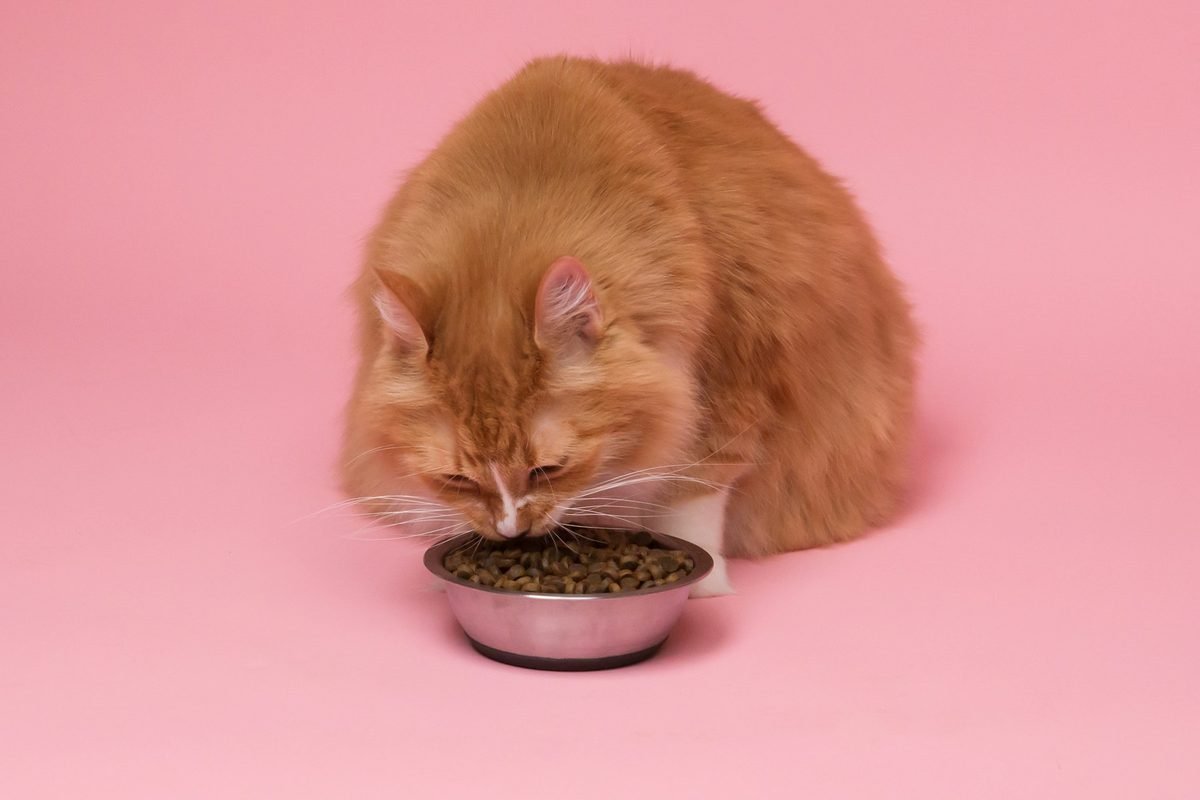
PetMD says cats can eat plain, cooked sweet potato in very small amounts, but they do not need it. Cats are obligate carnivores and are not designed to digest carbohydrates very well. PetMD suggests about 1/2 tablespoon once or twice a week at most, and says to avoid raw, seasoned, fried or buttered sweet potato, and sweet potato pie. That fits our Thanksgiving guide: OK in small amounts, plain.
Sweet potato treats and helpful gear
We could not load Amazon listings today, so the cards below are search buttons, not specific products. For a sweet potato chew, look for a short ingredient list, a size that suits your dog and the maker’s feeding guidance, and supervise chewing. Count it toward the daily treat budget.
Dog waiting for a treat (illustrative photo, not the exact product). Photo: Dogfluence.com on Unsplash (Unsplash License) (cropped)
Sweet potato dog chews (Amazon search results)
Search results, not a specific product. Check the ingredient list, chew size for your dog, and maker's guidance; supervise and count it as a treat.
Search on AmazonA lick mat lets you spread a little plain mashed sweet potato to slow down a treat. Check the size, that the material is described as food-safe, and whether it is dishwasher safe, and supervise your dog with it.
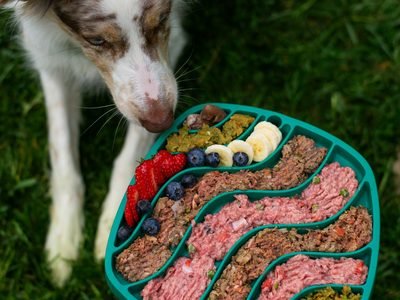
Dog with a textured food tray (illustrative photo, not the exact product). Photo: Ayla Verschueren on Unsplash (Unsplash License) (cropped)
Silicone dog lick mats (Amazon search results)
Search results, not a specific product. Spread a little plain mashed sweet potato; check size and material, and supervise.
Search on AmazonA locking-lid can keeps holiday scraps out of reach; check the latch and capacity.

Kitchen trash can (illustrative photo, not the exact product). Photo: Puscas Adryan on Unsplash (Unsplash License) (cropped)
Dog-proof kitchen trash cans with locking lids (Amazon search results)
Search results, not a specific product. Check the lid latch and capacity. Keeps holiday scraps out of reach.
Search on AmazonNone of these replaces your vet’s advice.
FAQ
Are sweet potatoes good for dogs?
Plain, cooked sweet potato in small amounts is fine according to AKC and PetMD, which list fiber and vitamins such as A. It is a treat, not a staple.
Can dogs eat raw sweet potatoes?
No. AKC says never feed raw sweet potato, and PetMD says raw is hard to chew and digest, with a risk of choking and stomach upset.
Can dogs eat sweet potato skin?
It is best to peel it. AKC says skin is harder to digest, and PetMD says it is not toxic but is best avoided.
Can dogs eat sweet potatoes with cinnamon?
A tiny sprinkle is unlikely to harm, as Pet Poison Helpline calls cinnamon generally well tolerated, but the powder can irritate. Skip the sugar, butter and nutmeg-heavy versions.
How much sweet potato can I give my dog?
AKC says moderation; PetMD says no more than 10% of daily calories and lists 1 to 4 tablespoons by size, 2-3 times per week. Ask your vet for your dog.
Can cats eat sweet potatoes?
PetMD says plain, cooked and in very small amounts, such as 1/2 tablespoon once or twice a week, though cats do not need it.
Bottom line
Plain, peeled, cooked sweet potato in small amounts is a fine treat. Keep the casserole, candied yams and pie away from your dog, and call your vet if something goes wrong.
More from PetKiddies
- Thanksgiving foods for dogs and cats
- Can dogs eat ham?
- What to do if your dog ate a turkey bone
- Pet poison control hotlines
- Xylitol and sugar-free candy: a dog emergency
- Best wet dog food
Sources
- AKC, “Can Dogs Eat Sweet Potatoes?” (updated May 12, 2026; accessed Nov 25, 2026). akc.org
- PetMD, “Can Dogs Eat Sweet Potatoes?” (updated May 21, 2025; accessed Nov 25, 2026). petmd.com
- PetMD, “Can Cats Eat Sweet Potatoes?” (updated Dec 13, 2025) and “Can Dogs Eat Marshmallows?” (updated Apr 4, 2023); accessed Nov 25, 2026. Cats, Marshmallows
- ASPCA, “Thanksgiving Safety Tips” and “People Foods to Avoid Feeding Your Pets” (accessed Nov 25, 2026). Thanksgiving, People foods
- Pet Poison Helpline, “Nutmeg and Cinnamon Toxicity” and “Xylitol” (accessed Nov 25, 2026). Nutmeg and cinnamon, Xylitol
- VCA Animal Hospitals, “Pancreatitis in Dogs” (edited Feb 6, 2026; accessed Nov 25, 2026). vcahospitals.com
- FDA, “FDA Investigation into Potential Link between Certain Diets and Canine Dilated Cardiomyopathy” (current as of Dec 23, 2022; accessed Nov 25, 2026). fda.gov
- Illinois Extension, “What’s the difference between sweet potatoes and yams?” (Nov 25, 2019; accessed Nov 25, 2026). extension.illinois.edu
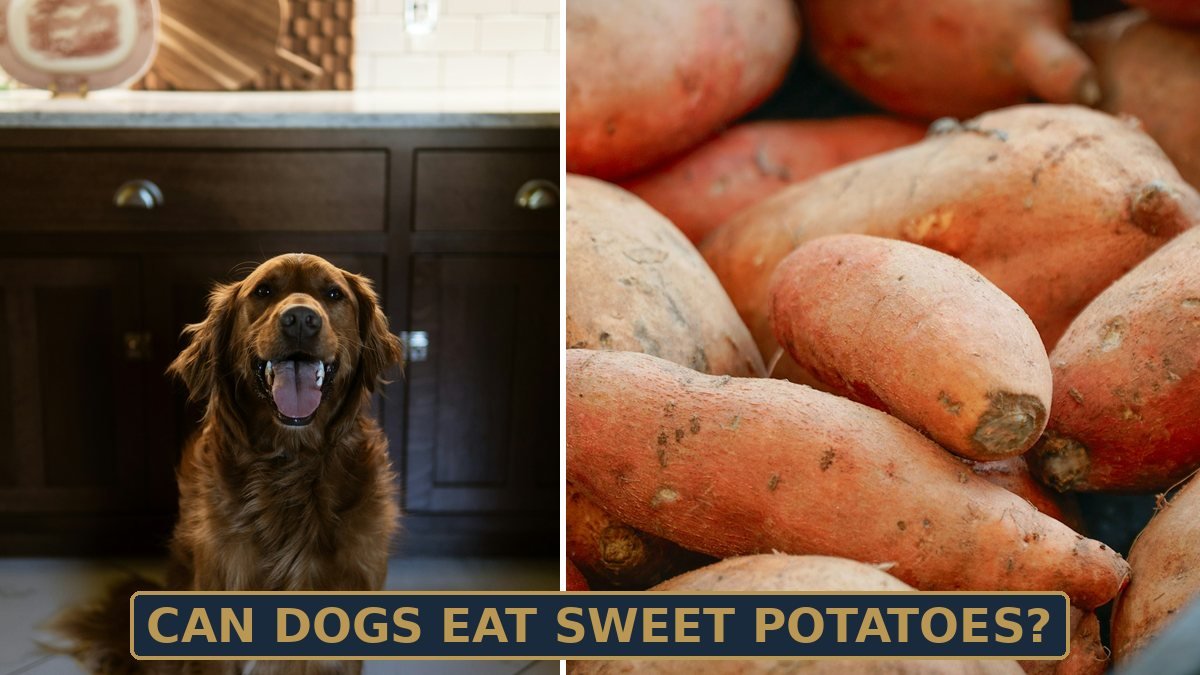
Featured photos: left, Photo: Taylor Friehl on Unsplash (Unsplash License) (cropped); right, Photo: Yen Vu – 烟雨 on Unsplash (Unsplash License) (cropped)