
As an Amazon Associate, PetKiddies earns from qualifying purchases. We may also earn from other affiliate links on this page at no extra cost to you.
A quick note: we are not vets, and this is general information, not veterinary advice. It is research-based, drawing on the ASPCA and Pet Poison Helpline websites, and we have not hands-on tested the products mentioned. If you think your pet has swallowed something harmful, stop reading and call your vet, an emergency vet or a poison control line now.
Last updated: Nov 10, 2026
Thanksgiving is on Thursday, Nov 26, and Christmas is on Friday, Dec 25. Holiday weeks bring chocolate, rich leftovers, sugar-free treats, new plants and medications in guests’ bags, all within easy reach of a curious nose. Searches for pet poison control have been climbing this month, and it is worth knowing the answer before you need it.
This guide covers the two main US animal poison hotlines, what they cost, when to call, and what to have ready. It also covers what not to do, because the wrong first move can make things worse.
Quick answer
- Two main US hotlines: ASPCA Animal Poison Control at (888) 426-4435 and Pet Poison Helpline at (855) 764-7661. Both say they are open 24/7.
- A fee may apply. Pet Poison Helpline lists a $99 per-incident fee on its website. ASPCA says a consultation fee may apply but does not state an amount on its page.
- Call as soon as you suspect exposure. We suggest not waiting to see whether symptoms appear.
- Do not induce vomiting or give home antidotes unless a vet or poison control expert tells you to.
- Have the package and your pet’s weight ready. Both speed up the call.
- Also call your vet or the nearest emergency vet. If care is needed, you will be sent there anyway.
The two main US hotlines
The ASPCA’s page says its poison control experts are available 24 hours a day, 365 days a year, and that “a consultation fee may apply.” Pet Poison Helpline’s site says it is available 24/7 and can handle exposures in any pet species. We could not find an ASPCA fee amount on its site, so check before you call if cost matters to you.
| Hotline | Phone | Hours | Fee (per official site, Nov 2026) | Notes |
|---|---|---|---|---|
| ASPCA Animal Poison Control | (888) 426-4435 | 24/7, 365 days a year | Check site. The page says a consultation fee may apply. | Site describes veterinary toxicology experts who assess risk and next steps. |
| Pet Poison Helpline | (855) 764-7661 | 24/7 | $99 per incident | Follow-ups included. You get a case number to share with your vet. Chat also offered. |
On the Pet Poison Helpline site, the one-time fee covers the first consultation and any follow-up with you or your vet for the duration of the case. It also says your vet can call for treatment advice for no additional fee, using your case number. Payment is by credit card.
When to call
Call if you know or suspect your pet has swallowed, licked or chewed something that might be harmful. Common examples:
- Your dog ate something unknown off the floor or out of the trash.
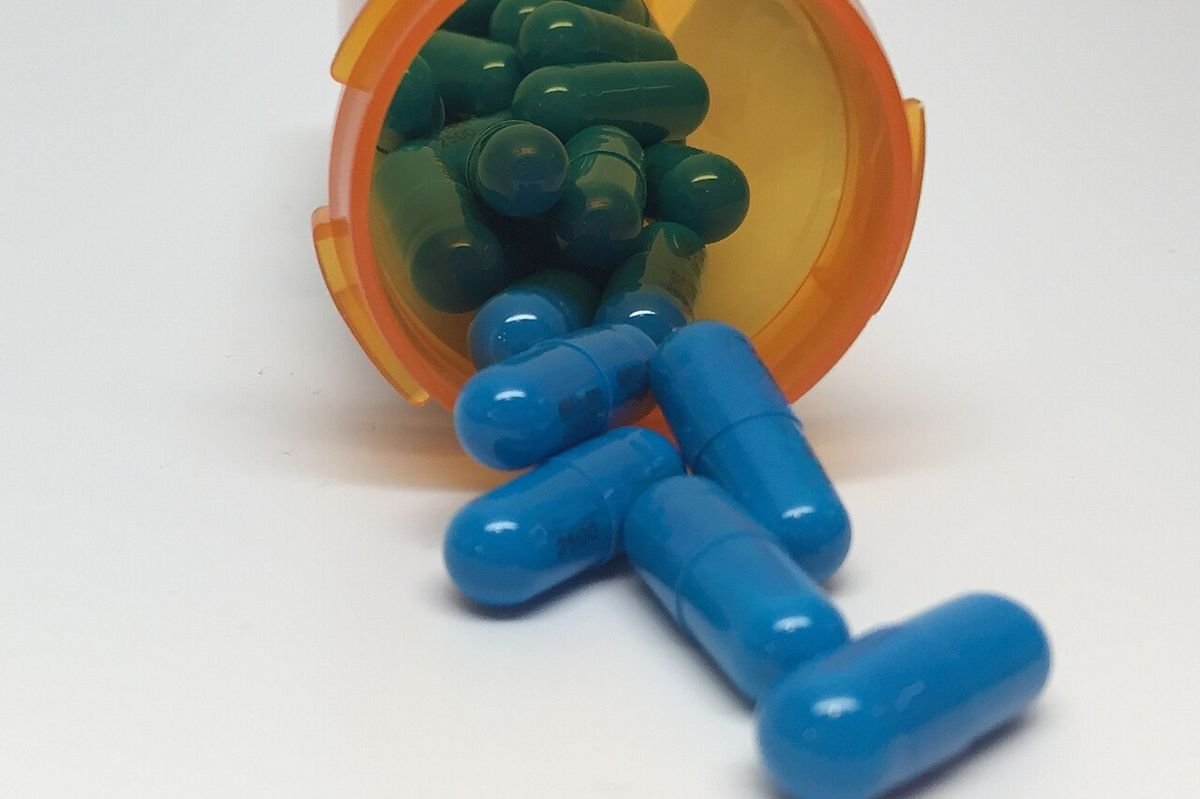
- Your pet chewed a medication bottle or got into a purse or pill organizer.
- Your cat licked a spilled product or walked through something and groomed it off.
- Your pet chewed a houseplant or holiday bouquet you cannot identify.
The ASPCA says to contact your veterinarian or call ASPCA Poison Control immediately if you think your pet has ingested something poisonous. We read that as: do not wait for symptoms. Your own vet or the nearest emergency vet is also a right first call, and some vets will contact poison control for you. If you cannot reach anyone, head to an emergency vet.
What to have ready
- Your pet’s details: species, breed, age and current weight.
- What, how much and when: the product or food, your best estimate of the amount, and the time it happened.
- The package or label: keep it nearby so you can read out the ingredients and warnings, and take it with you if you go to a clinic.
- Symptoms: anything you have noticed, even if it seems minor, and when it started.
- Your vet’s contact details, plus the nearest 24-hour emergency vet.
- A payment card for the consultation fee, if one applies.

What not to do
- Do not give home antidotes. Pet Poison Helpline’s “what to do” box says: “Do NOT give any home antidotes.”
- Do not induce vomiting with hydrogen peroxide, salt or anything else unless told to. The same box says: “Do NOT induce vomiting without consulting a vet or Pet Poison Helpline.”
- Do not wait and see. This is our reading of the ASPCA’s “immediately” advice, not a quote from either site.
- Do not delay urgent care to search online. Call first, then follow the advice you are given.
Pet Poison Helpline also suggests removing your pet from the area and checking that they are breathing and acting normally before you call.
Common holiday hazards
These are all flagged on ASPCA pages. If your pet eats any of them, the ASPCA says to note the amount and contact your vet or poison control.

- Chocolate: the ASPCA says darker chocolate, baking chocolate and cocoa powder carry more risk. See what to do if your dog ate chocolate.
- Xylitol and sugar-free sweets: the ASPCA says xylitol can cause low blood sugar and potentially liver damage. See our xylitol emergency guide.
- Thanksgiving foods: the ASPCA says grapes and raisins can lead to kidney damage, onions and garlic can damage red blood cells, and fatty foods and turkey or chicken bones can be dangerous. See Thanksgiving foods for dogs and cats.
- Lilies for cats: the ASPCA says many lilies in holiday bouquets are highly toxic and can cause kidney failure in cats.
- Tinsel and tree decor: the ASPCA says swallowed tinsel can cause severe vomiting and a blocked digestive tract, and may need surgery. See our cat-proof Christmas tree guide.
- Human medications: the ASPCA says to keep yours put away and out of paws’ reach.
Set up before you need it
- Save both hotline numbers in your phone and stick them on the fridge.
- Find your nearest 24-hour emergency vet now and save the address.
- Keep medications and cleaners up high or behind latches.
- Use a lidded trash can that your pet cannot easily open.
- Keep a basic pet first-aid kit. It is not a way to treat poisoning at home; the advice above still applies.
Picks worth a look
None of these prevents poisoning; they reduce your pet’s access or help you prepare. We researched listing details through Amazon search results on Nov 10, 2026, and have not tested them. Check each listing for current availability.
Pet first-aid kit
A kit suits hikers, travelers and anyone who wants supplies in one bag. Pet first-aid kits vary a lot, so compare the contents list on each listing (bandages, gauze, a cold pack, tweezers or a tick remover, a saline or irrigation syringe) and check whether it is sized for a dog, a cat or both. Remember a kit does not replace calling your vet or poison control.
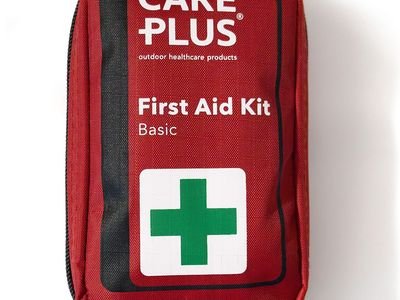
First-aid kit (illustrative photo, not the exact product). Photo: Renée Kools, CC BY 4.0, via Wikimedia Commons (resized)
Pet first-aid kits (search results)
Compare the contents list and size on each listing. A kit helps with minor injuries; it does not replace calling your vet or poison control.
Search on AmazonCabinet latches
Child-safety latches suit low cabinets holding cleaners, medications or supplements. Safety 1st’s adhesive magnetic system is listed with 4 locks and 1 key, installed with 3M adhesive and an alignment template. Check that your cabinet surface suits adhesive, and keep the key out of reach.

Kitchen cabinets (illustrative photo, not the exact product). Photo: Kotivalo, CC BY-SA 3.0, via Wikimedia Commons (resized)
Safety 1st Adhesive Magnetic Lock System (4 locks, 1 key)
4 adhesive magnetic cabinet locks and 1 key, with a template. Check your surface suits adhesive; keep the key out of reach.
Check price on AmazonLidded trash can
A can with a locking lid suits dogs that raid the kitchen bin, especially after holiday meals. simplehuman’s 50 liter semi-round step can is listed with a secure slide lock, which the listing says helps keep pets and curious children out. Check the size against your bags and that the lock is engaged.

Step trash can (illustrative photo, not the exact product). Photo: 玄史生, CC0, via Wikimedia Commons
simplehuman 50 Liter Semi-Round Step Trash Can (secure slide lock)
50 L semi-round step can with secure slide lock, per the listing. Check the lock is engaged and the size fits your bags.
Check price on AmazonShopping for the season? See Walmart’s Black Friday deals.
FAQ
Is ASPCA poison control free?
ASPCA’s page says a consultation fee may apply and does not state an amount, so check the site or ask when you call. Pet Poison Helpline lists $99 per incident.
Is pet poison control open 24/7?
Yes. Both ASPCA Animal Poison Control and Pet Poison Helpline say they are available 24 hours a day.
Can I call about a cat?
Yes. Pet Poison Helpline says it handles exposures in any pet species, and the ASPCA site warns about cat-specific hazards such as lilies.
Will my vet get the information?
With Pet Poison Helpline, you receive a case number to give your vet, who can call for treatment advice for no additional fee. Ask whichever service you use how it shares information with your vet.
Should I make my dog throw up?
No, not unless a vet or poison control expert tells you to. Pet Poison Helpline says not to induce vomiting without consulting a vet or the helpline.
What if I cannot afford the fee?
Neither site we checked describes a fee waiver. ASPCA’s page says a one-time fee can help you avoid large emergency vet costs, and your own vet is still a right first call.
Bottom line
When you suspect poisoning, a quick call is the best first step, and it is easier when the numbers are already saved. Call, give the details, and follow what you are told.
More from PetKiddies
- What to do if your dog ate chocolate
- Xylitol and sugar-free candy: a dog emergency
- Thanksgiving foods for dogs and cats
- How to cat-proof your Christmas tree
- Pet-safe gardening plants
- Best pet insurance 2026
Sources
- ASPCA, “Animal Poison Control” (accessed Nov 10, 2026). aspca.org
- Pet Poison Helpline, home page and FAQ (accessed Nov 10, 2026). petpoisonhelpline.com, FAQ
- ASPCA, “Holiday Safety Tips” (accessed Nov 10, 2026). aspca.org
- ASPCA, “People Foods to Avoid Feeding Your Pets” (accessed Nov 10, 2026). aspca.org
- Amazon.com product listings via search results, checked Nov 10, 2026.
Featured photo: Photo: Nenad Stojkovic, CC BY 2.0, via Wikimedia Commons (resized)