
As an Amazon Associate, PetKiddies earns from qualifying purchases. We may also earn from other affiliate links on this page at no extra cost to you.
A quick note: we are not vets, and this is general information, not a substitute for advice from your own vet. If your dog is choking, struggling to breathe, or in obvious pain, call your vet or an emergency vet now. This guide is based on our research of veterinary and ASPCA, AKC and FDA guidance and product listings. We have not tested any products mentioned.
Last updated: Nov 23, 2026
Thanksgiving is this Thursday, and the roast turkey is also when many dogs get hold of a bone: one dropped from a plate, one pulled from the trash, or one slipped under the table by a well-meaning guest. If that has already happened, take a breath. There are clear steps to follow.
This page is the “it already happened” guide. For what is safe to share on the day, see our Thanksgiving foods guide for dogs and cats. Everything here also applies to cooked chicken bones.
Quick answer
- Call your vet. Even if your dog seems fine, call your vet or an emergency vet for advice rather than waiting and hoping. The ASPCA says poultry bones can be a major choking hazard.
- Do not make your dog vomit unless a vet tells you to. The AKC quotes a veterinarian who says not to induce vomiting at home.
- Choking is an emergency. VCA says choking requires immediate veterinary attention.
- Watch closely. Vomiting, drooling, trouble swallowing, no appetite or belly pain mean a vet exam.
- Bones are not a poisoning, so your vet is the first call. Poison control matters only if stuffing or gravy with onion or garlic was eaten too.
What to do right now
- Stay calm and check your dog. If your dog is gagging, pawing at the mouth, struggling to breathe or in obvious distress, go straight to a vet or emergency vet.
- Remove the rest of the bones and food. If your dog is still chewing, the AKC says chasing or grabbing can make a dog gulp the bone down. It suggests offering something more tempting and calmly swapping.
- Do not induce vomiting unless your vet tells you to. The AKC article says it can cause problems such as an esophageal obstruction or aspiration pneumonia.
- Call your vet or emergency vet. Tell them the type of bone (turkey or chicken, cooked or raw), how much, when it happened, and your dog’s size and age.
- Ask before feeding anything. Some people suggest feeding bread to cushion a bone. Dr. Carly Fox, quoted by the AKC, says it is inadvisable to feed your dog right away, so ask your vet before giving any food.
- Follow your vet’s advice. It may be home monitoring or an exam and X-rays. Keep an eye on your dog and note anything unusual.
Why cooked turkey and chicken bones are risky
The ASPCA says poultry bones can be a major choking hazard. VCA, citing the FDA, lists several ways bones can hurt a dog: broken teeth, cuts to the mouth and tongue, choking, injury to the stomach and intestinal lining, bones stuck in the stomach, and blockage of the small intestine or colon. VCA says bone fragments can pierce the gut wall and cause peritonitis, an abdominal infection that can be fatal, and that fragments reaching the colon may cause painful constipation.
Those sources discuss bones in general rather than turkey specifically. Dr. Carly Fox, quoted by the AKC, says a dog’s acidic stomach can dissolve most bones within a couple of hours, but also notes that cooked bones tend to splinter more easily and can take longer to dissolve. She says there is little to worry about if a dog is free of signs and eating normally within 12 to 24 hours. That is one expert’s view, not a guarantee, which is why we still say to call your vet.
Warning signs: when to see a vet
| Sign | What it can mean | What to do |
|---|---|---|
| Gagging, choking sounds, stretching the neck | The AKC lists these as signs a bone may be stuck in the esophagus. | Go to a vet or emergency vet right away. |
| Drooling or hard swallowing | Listed by the AKC as signs that need a vet exam. | Call your vet now. |
| Vomiting or regurgitation | The AKC lists it as a sign. VCA notes bone fragments in the stomach can cause chronic vomiting. | Call your vet now. |
| No appetite or low energy | The AKC lists lack of appetite. VCA lists lethargy among the signs of pancreatitis. | Call your vet the same day. |
| Straining, or no stool | VCA says bone fragments in the colon may cause constipation, which is painful. | Call your vet. Do not give medicine without their advice. |
| Swollen, tender belly or general discomfort | The AKC lists general discomfort as a sign of blockage. VCA lists abdominal pain with pancreatitis. | Go to a vet or emergency vet. |
The AKC says diarrhea alone often clears up on its own, while its other listed signs call for a vet exam. We could not find a source that gives one fixed window for every dog, so if you are unsure, call.
What about the skin, fat and stuffing?
Turkey skin, drippings and gravy are rich. VCA says pancreatitis may be triggered in some cases by a fatty meal, though in many cases it appears to occur spontaneously. Its listed signs are nausea, vomiting, fever, lethargy, abdominal pain, diarrhea and decreased appetite. Many of these overlap with bone problems, so describe everything your dog ate when you call.
Stuffing can contain onion or garlic. The ASPCA says to contact your vet or ASPCA Animal Poison Control at (888) 426-4435 if you suspect your pet ate something toxic. A consultation fee may apply.
If your cat ate a bone or roast string
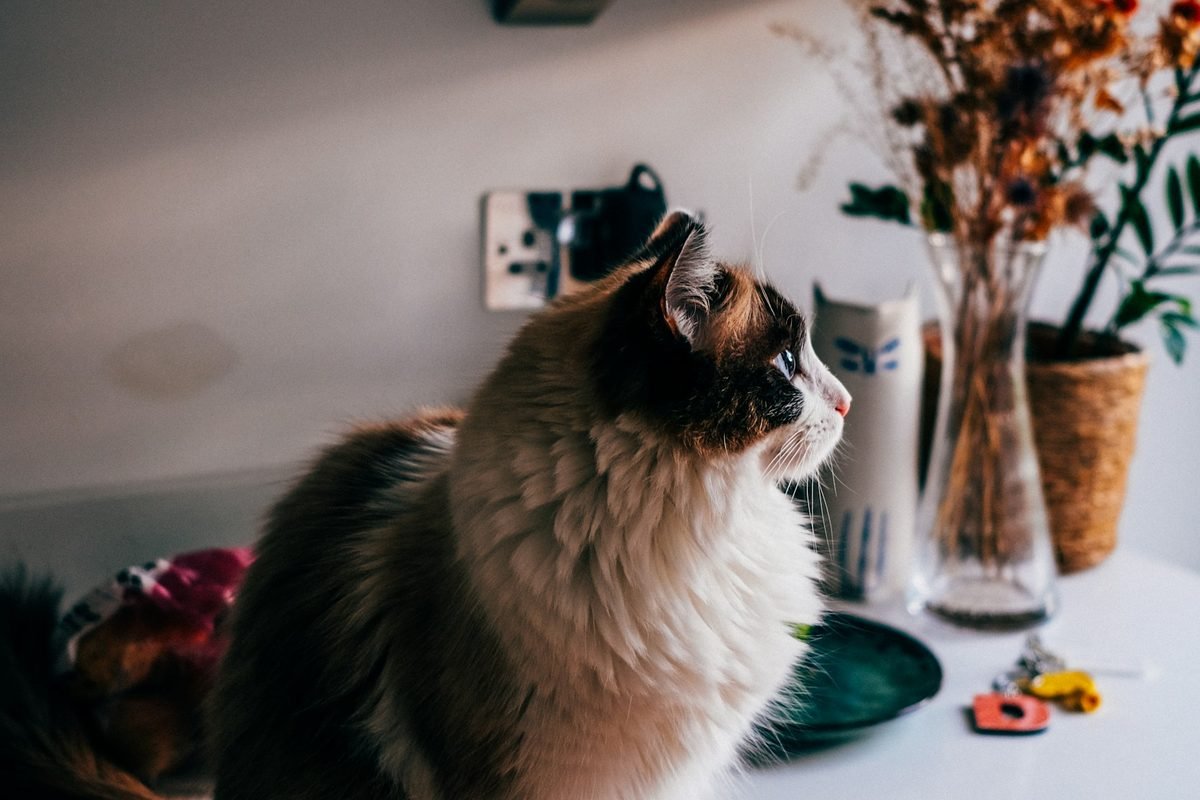
The ASPCA’s Thanksgiving advice about bones is written for pets in general, so the same caution applies to cats: call your vet if your cat has eaten a bone. Cats also like string. VCA says linear foreign bodies are long, thin objects such as string, yarn and tinsel, most common in cats, and the most significant possible complication is intestinal perforation. Kitchen twine from a roast is also long and thin, so treat it the same way. VCA lists vomiting, refusing food, dehydration, lethargy and belly pain as common signs. If your cat swallowed twine, call your vet for advice.
How to prevent it this Thanksgiving
- No bones from the table, and tell guests, especially children, so nobody slips your dog a “treat”.
- Manage the trash. The ASPCA says garbage can fill with bones and other hazards; empty it through the day or keep your pet out of the area. A lid that locks helps.
- Clear plates fast, and bag the carcass and string straight away.
- Give your dog a quiet room or crate during dinner. Our holiday anxiety guide has ideas.
- Offer a safer chew, sized for your dog and supervised. VCA notes it is a myth that dogs need to chew bones, and our chew toy guide has options.
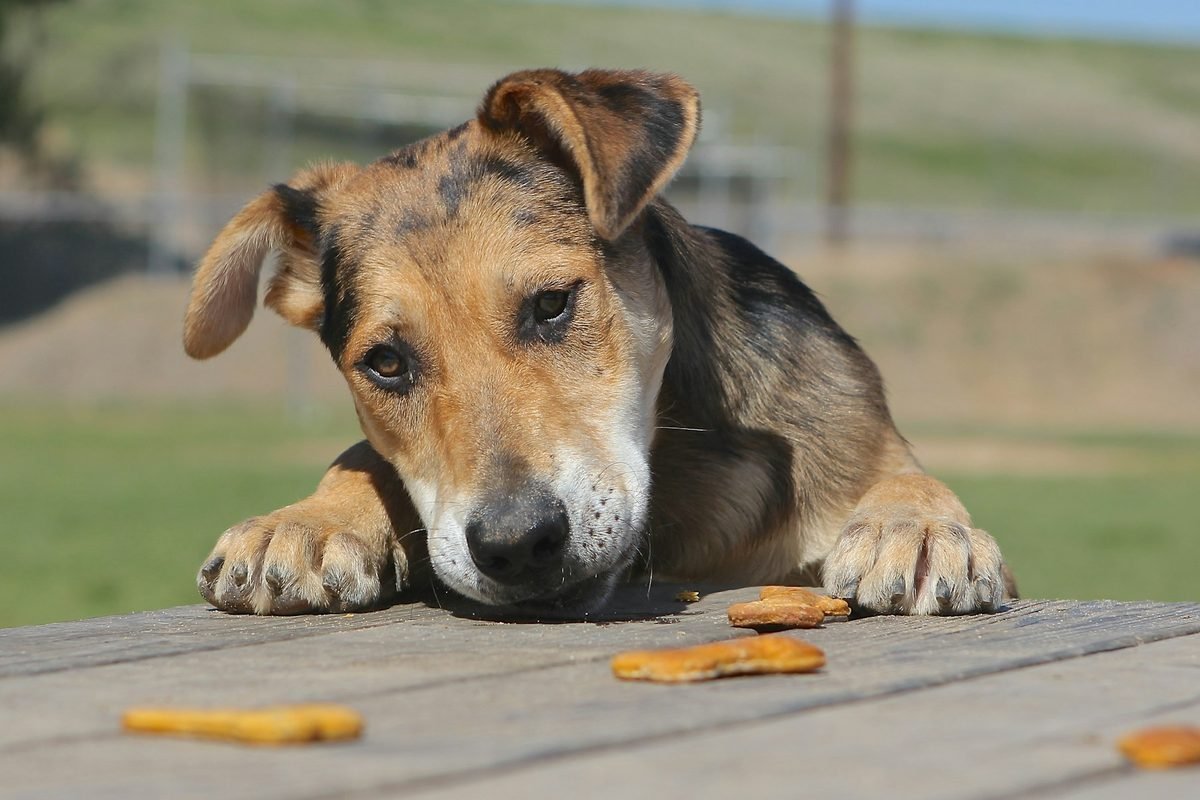
Raw bones are not a safe workaround. VCA says raw meat and bones can carry E. coli, Salmonella and Listeria, a risk for people in the home as well as dogs, and VCA, citing the FDA, says bones are dangerous for dogs.
Helpful gear to have on hand
None of this replaces a vet. These are starting points, and we did not test them. Amazon listings would not load for our checks on Nov 23, 2026, so we link to searches rather than a single product. Read the full listing before you buy.
A kitchen trash can with a locking lid keeps bones out of reach on a busy holiday. It suits households with a counter-surfing or bin-raiding dog. Check the lid-lock design, the size of your bags and whether the lock works on the lid you actually use.

Kitchen trash can (illustrative photo, not the exact product). Photo: Puscas Adryan on Unsplash (Unsplash License) (cropped)
Locking-lid pet-proof trash cans (Amazon search results)
Compare lid-lock designs and capacity. A locking lid helps keep bones out of reach but does not replace taking trash out. Read the full listing.
Search on AmazonA pet first aid kit is a handy place to keep basic supplies and your vet’s and emergency vet’s numbers. It suits dog owners who travel or hike. Check what is inside, whether it includes a handbook, and that it is made for dogs.
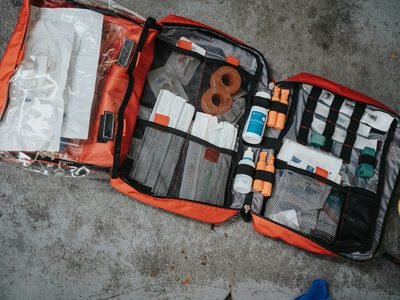
First aid kit (illustrative photo, not the exact product). Photo: Mat Napo on Unsplash (Unsplash License) (cropped)
Dog first aid kits (Amazon search results)
Check the contents and whether a handbook is included. A kit does not replace a vet; keep your vet and emergency vet numbers inside.
Search on AmazonA durable rubber chew toy gives your dog something safer to chew while dinner is on. It suits dogs that love to chew. Check the size range against your dog’s weight and breed, and replace it if it cracks or breaks apart.

Puppy with a chew toy (illustrative photo, not the exact product). Photo: Ben Griffiths on Unsplash (Unsplash License) (cropped)
Durable rubber dog chew toys (Amazon search results)
Match the size to your dog's weight and chew style. Supervise chewing and replace the toy if it cracks or breaks apart.
Search on AmazonFAQ
Can dogs eat turkey bones?
No. The ASPCA says poultry bones can be a major choking hazard, and VCA says bones are dangerous and can cause serious injuries.
My dog ate a turkey bone and seems fine. What now?
Call your vet for advice rather than waiting. The AKC says to watch closely for vomiting, drooling, trouble swallowing and loss of appetite, and a vet can tell you what to do for your dog’s size.
Should I make my dog throw up after eating a bone?
Not unless your vet tells you to. The AKC quotes a veterinarian who says not to induce vomiting at home.
Can a dog pass a cooked bone?
It can, but not always safely. A vet quoted by the AKC says stomach acid can dissolve most bones, but VCA says fragments can also cause blockages, so ask your vet.
Can cats eat chicken bones?
We would not offer them. The ASPCA advises boneless, fully cooked meat for pets, and your vet can advise if your cat has already eaten one.
Are raw bones safer?
Not according to VCA, which says raw bones can carry bacteria that are a health risk to people in the household. VCA, citing the FDA, says bones in general are dangerous for dogs.
Bottom line
If your dog ate a turkey or chicken bone, stay calm, remove what is left, do not induce vomiting, and call your vet for advice. Go to a vet right away for choking or any warning sign above. Then set up the house so it does not happen again.
More from PetKiddies
- Thanksgiving foods for dogs and cats
- Dog ate chocolate: what to do
- Pet poison control hotline
- Dog anxiety during the holidays
- Best dog toys by chew style
- Petsgiving
Sources
- AKC, “Can Dogs Eat Chicken Bones?” (updated Oct 22, 2026; accessed Nov 23, 2026). akc.org
- VCA Animal Hospitals, “Why Bones Are Not Safe for Dogs” (updated Oct 31, 2025; accessed Nov 23, 2026). vcahospitals.com
- VCA Animal Hospitals, “Pancreatitis in Dogs” (accessed Nov 23, 2026). vcahospitals.com
- VCA Animal Hospitals, “Linear Foreign Body in Cats” (updated Feb 28, 2024; accessed Nov 23, 2026). vcahospitals.com
- ASPCA, “Thanksgiving Safety Tips” (accessed Nov 23, 2026). aspca.org
- FDA Consumer Update, “No Bones About It: Bones Are Unsafe for Your Dog” (2010; archived copy). archived copy
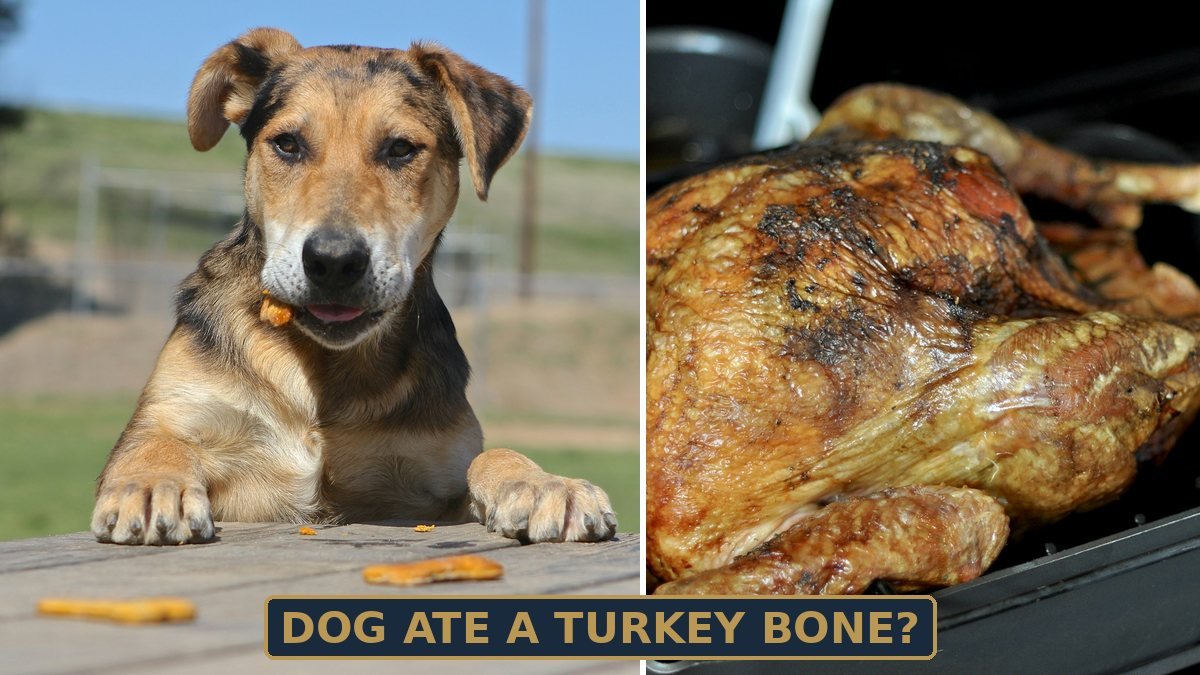
Featured photos: left, Photo: Judy Beth Morris on Unsplash (Unsplash License) (cropped); right, Photo: Dan Dennis on Unsplash (Unsplash License) (cropped)