
As an Amazon Associate, PetKiddies earns from qualifying purchases. We may also earn from other affiliate links on this page at no extra cost to you.
A quick note: we are not vets, and this is general information, not a substitute for your vet. If you think your pet ate something toxic, call your vet, an emergency vet or a pet poison hotline now. This guide is based on our research of ASPCA, FDA and Pet Poison Helpline material; we have not hands-on tested the products mentioned.
Last updated: Nov 12, 2026
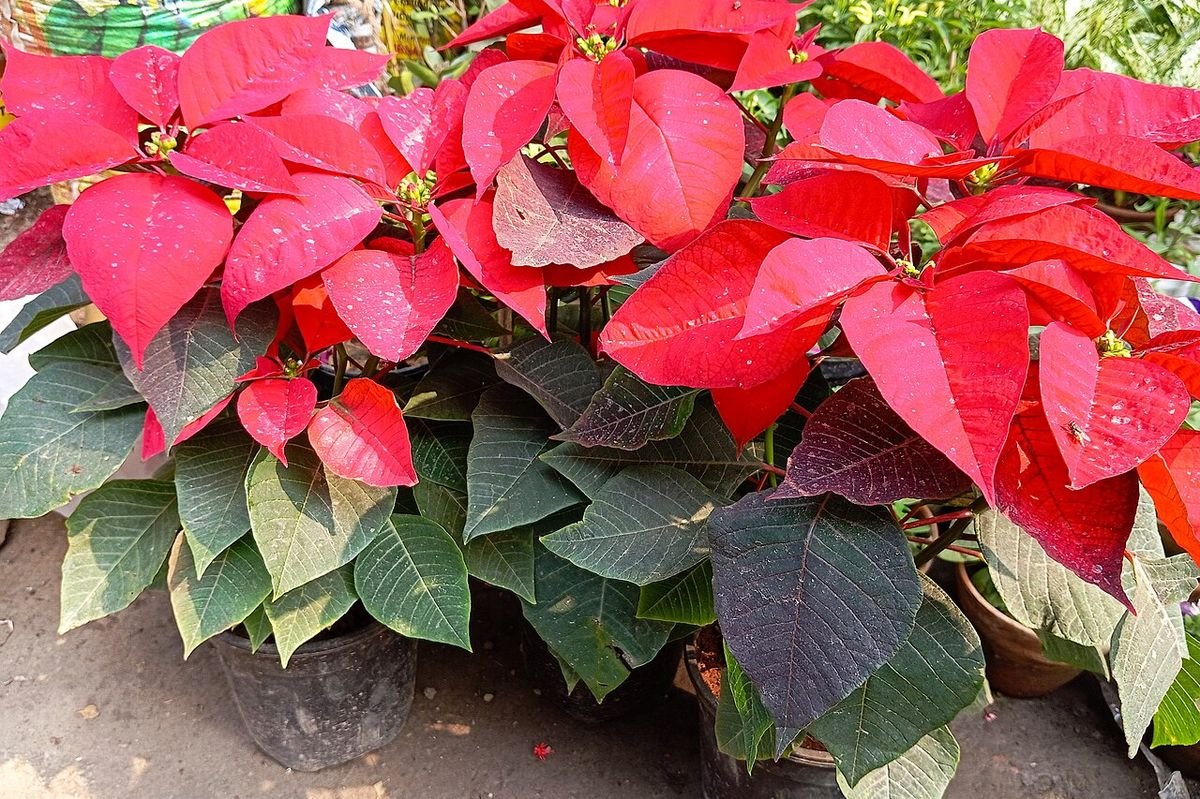
Poinsettias and other holiday plants are starting to appear in stores, and many owners are asking the same thing: are poinsettias poisonous to cats and dogs? The short answer is that they are mildly toxic, but their scary reputation is overstated. Other seasonal plants deserve more worry, especially lilies if you have a cat.
Quick answer
- Poinsettia: the ASPCA lists it as toxic to dogs and cats, but says the effect is generally mild: irritation of the mouth and stomach, sometimes vomiting. Pet Poison Helpline calls its reputation as a highly toxic plant a myth.
- Lilies are the big one for cats. True lilies and daylilies can cause fatal kidney failure in cats, and the FDA says even a small amount can do it.
- Dogs and lilies: the FDA says dogs that eat lilies may have minor stomach upset but do not develop kidney failure.
- Mistletoe, holly and amaryllis are listed as toxic to both dogs and cats, mostly causing vomiting and diarrhea.
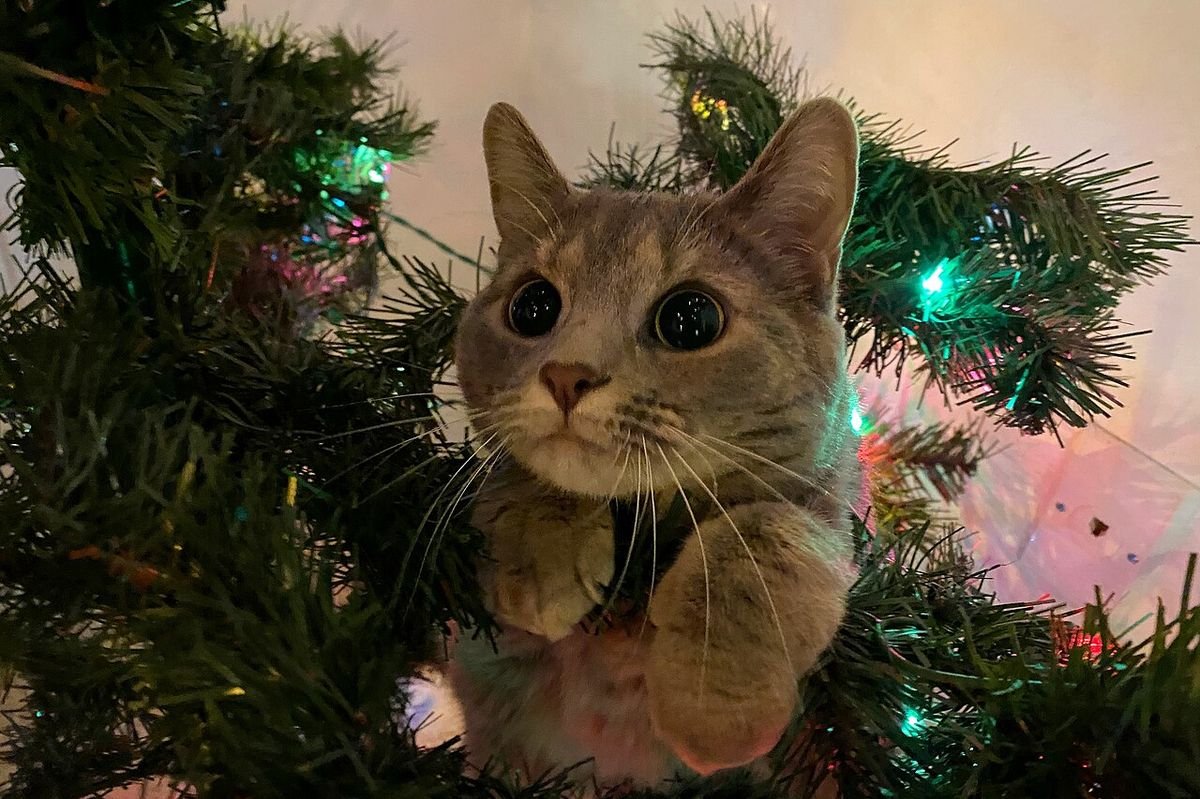
- Christmas trees: needles can irritate the mouth and stomach.
- Christmas cactus is listed by the ASPCA as non-toxic to dogs and cats.
Poinsettias: mildly toxic, not deadly
The ASPCA lists poinsettia (Euphorbia pulcherrima) as toxic to dogs and cats, with “irritant sap” as the toxic principle. Its clinical signs entry reads: “Irritating to the mouth and stomach, sometimes causing vomiting, but generally over-rated in toxicity.”
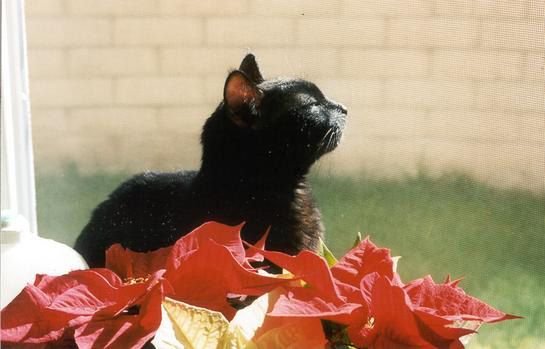
Pet Poison Helpline says the milky white sap can cause mild vomiting, drooling and diarrhea, “but more serious toxicity is not expected.” Not harmless, not deadly.
If your pet chews a leaf, remove the plant from their mouth, move it out of reach and watch them. Call your vet or a poison hotline if you are unsure or your pet seems unwell. Do not try to make your pet vomit at home.
Lilies: an emergency for cats
The FDA says lilies in the “true lily” and “daylily” families are very dangerous for cats. Its list of highly toxic plants includes Easter, tiger, Asiatic, Oriental, Stargazer, Japanese show and wood lilies, plus daylilies (Hemerocallis). Lilies are common in holiday bouquets, which the ASPCA also warns about.
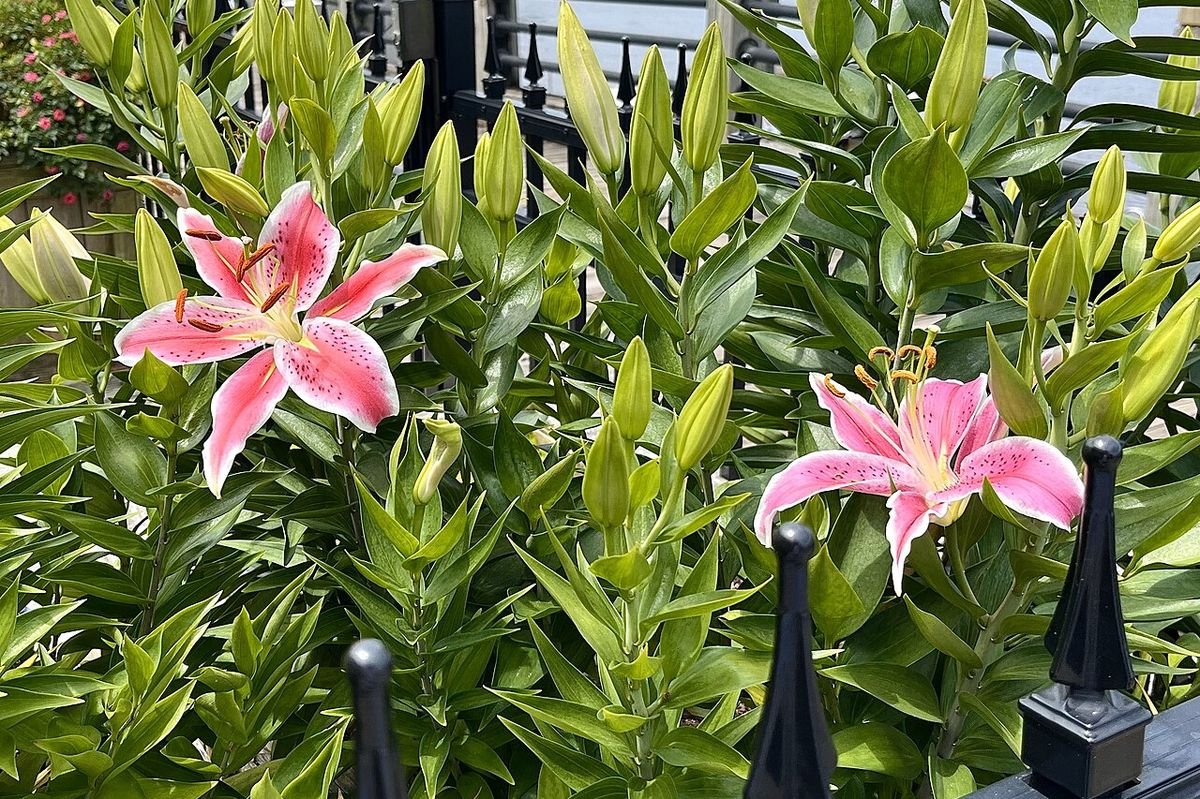
The whole plant counts. The FDA says “the stem, leaves, flowers, pollen, and even the water in a vase” are toxic, and that a small bit of leaf or petal, a few pollen grains groomed off fur, or a drink of vase water can lead to fatal kidney failure in less than 3 days. The toxin has not been identified.
Early signs include decreased activity, drooling, vomiting and loss of appetite within 12 hours; kidney damage signs (more urination, dehydration) follow at about 12 to 24 hours. The FDA says that if treatment is delayed by 18 hours or more, kidney failure is generally irreversible.
If your cat may have touched or eaten any part of a lily, call your vet, an emergency vet or a poison hotline immediately. The FDA’s advice: if you have a cat, it is best not to bring these plants home. Ask florists for lily-free bouquets.
Other holiday plants to watch
Mistletoe
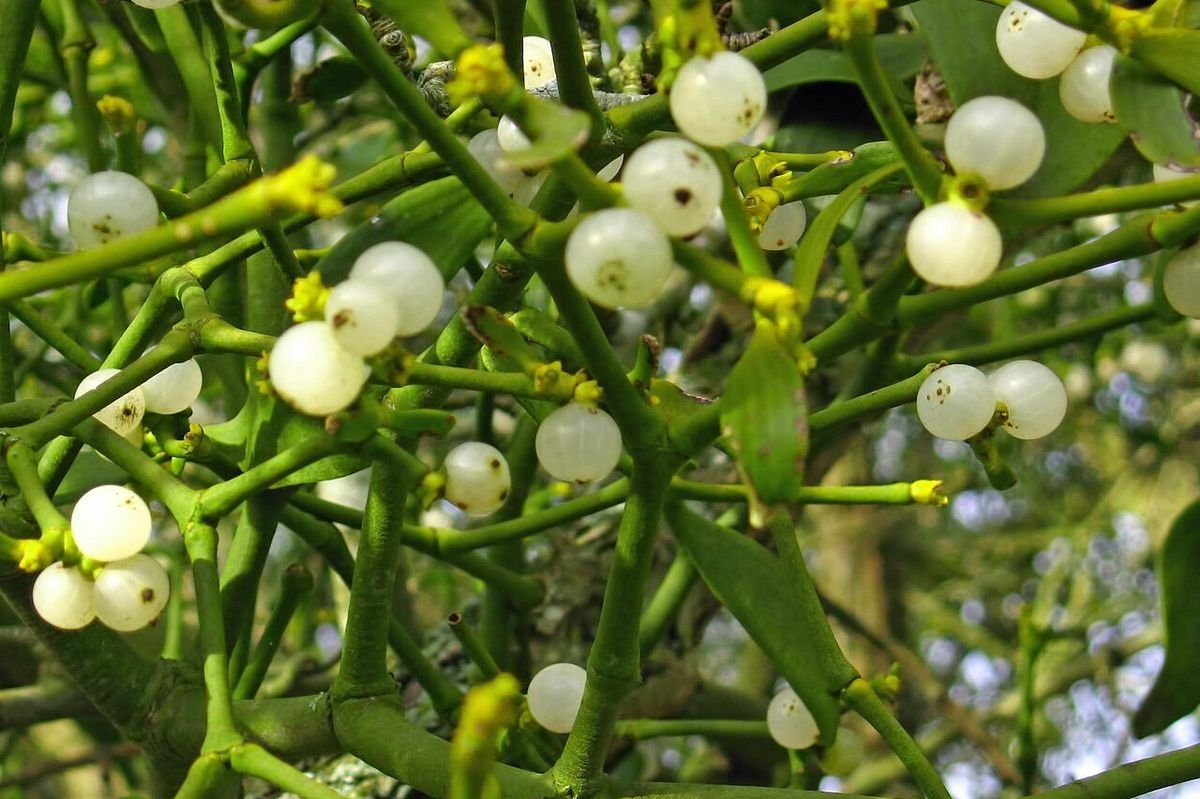
The ASPCA lists American mistletoe as toxic to dogs and cats, with vomiting and diarrhea among the signs. Pet Poison Helpline says small amounts usually cause mild signs, large amounts can affect the heart, and American mistletoe is less of a concern than European varieties.
Holly
The ASPCA lists holly as toxic to dogs and cats (saponins), with vomiting, diarrhea and depression, adding that leaves and berries are low toxicity. Pet Poison Helpline notes drooling and head shaking from the spiky leaves.
Amaryllis
The ASPCA lists amaryllis as toxic to dogs and cats. Pet Poison Helpline says flowers and leaves most commonly cause vomiting, drooling and diarrhea, while the bulb is more toxic.
Christmas trees
Pet Poison Helpline says needles from spruce, fir and pine can irritate the mouth and stomach, causing vomiting, diarrhea and drooling, and that large amounts could potentially obstruct the gut because needles “do not digest well.” The ASPCA says tree water is a breeding ground for bacteria that could cause nausea, diarrhea or stomach upset, so cover the stand. For ornaments, tinsel and lights, see our cat-proof Christmas tree guide.
Pet-safe holiday plants
The ASPCA lists these as non-toxic to dogs and cats:
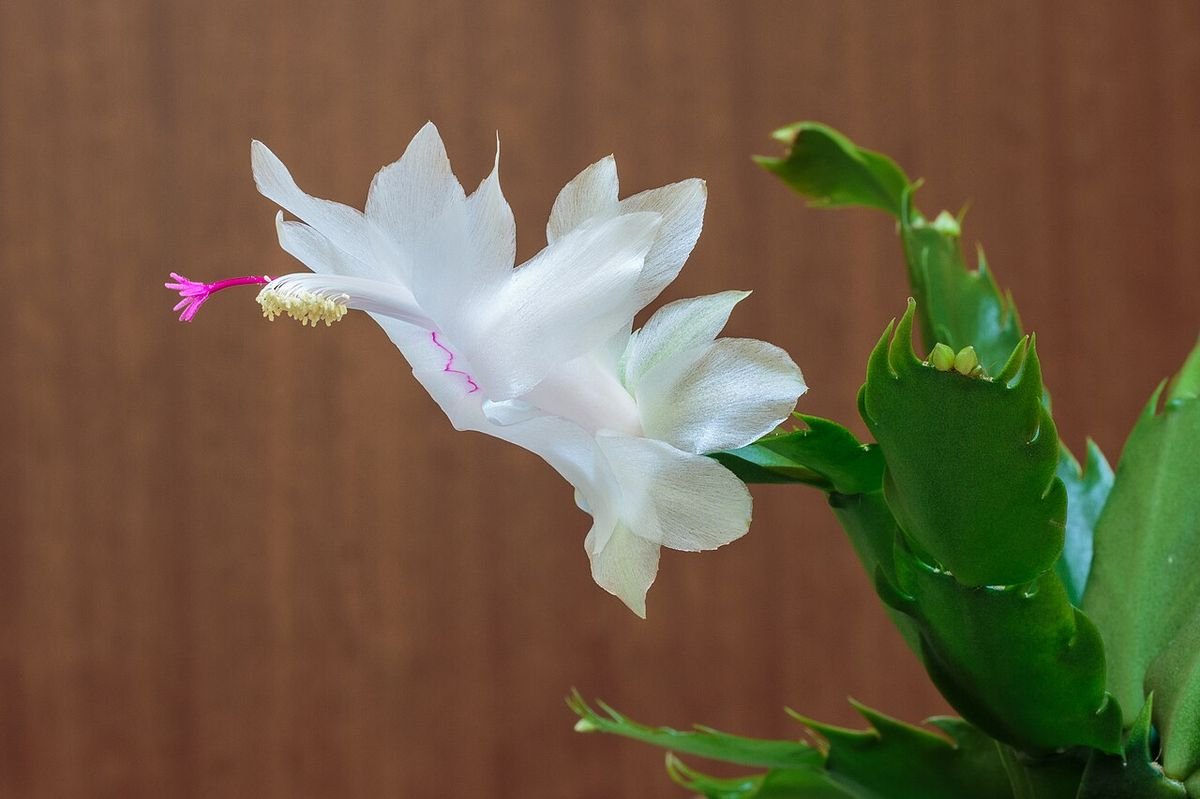
- Christmas cactus (Schlumbergera bridgesii)
- Rosemary (Rosmarinus officinalis), which also works as a small “rosemary tree”
- Moth orchid (Phalaenopsis)
- African violet (Saintpaulia)
“Non-toxic” does not mean “free to snack on”. The ASPCA notes that eating any plant material may cause vomiting and stomach upset in dogs and cats.
Holiday plant toxicity at a glance
| Plant | Cats | Dogs | What to know |
|---|---|---|---|
| Poinsettia | Toxic (mild) | Toxic (mild) | Irritant sap; mouth and stomach irritation, sometimes vomiting |
| True lilies and daylilies | Very dangerous | Minor stomach upset (FDA) | Cats: kidney failure risk; emergency even for pollen or vase water |
| Mistletoe (American) | Toxic | Toxic | Vomiting, diarrhea; large amounts can affect the heart |
| Holly | Toxic | Toxic | Vomiting, diarrhea; ASPCA says leaves and berries are low toxicity |
| Amaryllis | Toxic | Toxic | Bulb is more toxic than flowers and leaves |
| Christmas tree (fir, pine, spruce) | Irritating | Irritating | Needles irritate and are hard to digest; cover the tree water |
| Christmas cactus | Non-toxic | Non-toxic | ASPCA listing |
| Rosemary | Non-toxic | Non-toxic | ASPCA listing |
What to do if your pet eats a holiday plant
- Remove the plant and any pieces from your pet’s mouth, and keep your pet away from it.
- Keep a sample or take a photo of the plant. The FDA suggests bringing the plant or a photo to the vet.
- Note the time and roughly how much was eaten.
- Call your vet, an emergency vet or a poison hotline: ASPCA Animal Poison Control at (888) 426-4435 or Pet Poison Helpline at (855) 764-7661. The ASPCA notes that a consultation fee may apply. See our poison hotline guide.
- Do not make your pet vomit unless a vet tells you to.
- Watch for signs such as drooling, vomiting, diarrhea, loss of appetite, lethargy, or in cats, increased urination after lily exposure. Tell the vet right away if you see them.
Picks worth a look
We researched these product types rather than testing them. These links go to search results, so read each listing for sizes and materials. Nothing here guarantees your pet’s safety.
A realistic artificial poinsettia
This suits households that want the classic look with no sap. Check the listing for size and materials. Artificial plants can still be chewed, and small fabric or plastic pieces can be a swallowing hazard, so keep them out of reach of chewers.

Potted poinsettia (illustrative photo, not the exact product). Photo: Laurent Bélanger, CC BY-SA 4.0, via Wikimedia Commons (resized)
Artificial poinsettia plants (search results)
Search results: check size, base weight and materials. Artificial plants can still be chewed; keep small parts away from chewers.
Search on AmazonA live Christmas cactus
This suits owners who want a living plant listed as non-toxic by the ASPCA. Check that the listing names Schlumbergera, since common names get used loosely, and read the care notes. A pet that eats a lot of any plant may still get an upset stomach.
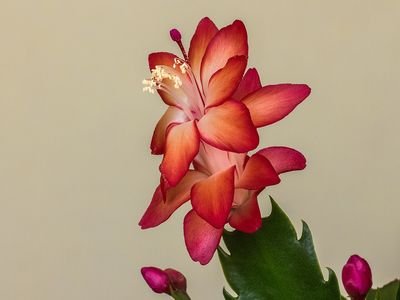
Christmas cactus in bloom (illustrative photo, not the exact product). Photo: Agnes Monkelbaan, CC BY-SA 4.0, via Wikimedia Commons (resized)
Christmas cactus live plant (search results)
Search results: look for Schlumbergera in the listing. ASPCA lists Christmas cactus as non-toxic to dogs and cats.
Search on AmazonA hanging planter or plant stand
This suits homes with plants you want to keep, such as amaryllis or holly, away from curious noses. Check the weight limit and stability. Cats climb, so “out of reach” needs to be genuinely high.
Hanging planters (illustrative photo, not the exact product). Photo: David E. Lucas, Public domain, via Wikimedia Commons (resized)
Hanging planters and plant stands (search results)
Search results: check weight limit and stability. Keeps plants up high, but cats climb; lilies should not be in cat homes.
Search on AmazonShopping for the season? See Walmart’s Black Friday deals.
FAQ
Will a poinsettia kill my cat?
It is not expected to. The ASPCA says poinsettia toxicity is generally over-rated, and Pet Poison Helpline says more serious toxicity is not expected, though vomiting and drooling are possible.
Are poinsettias poisonous to dogs?
The ASPCA lists poinsettia as toxic to dogs, with irritation of the mouth and stomach and sometimes vomiting. Call your vet or a poison hotline if you are worried.
Is a Christmas cactus safe for cats?
The ASPCA lists Christmas cactus as non-toxic to cats and dogs. The ASPCA also notes that eating any plant material may cause vomiting and stomach upset.
Is lily pollen dangerous to cats?
Yes. The FDA says licking a few pollen grains off its fur can cause fatal kidney failure in a cat, so call your vet or a poison hotline right away.
Is mistletoe poisonous to dogs?
The ASPCA lists American mistletoe as toxic to dogs, with vomiting and diarrhea among the signs. Pet Poison Helpline says small amounts usually cause mild signs, while large amounts can affect the heart.
Are real Christmas trees safe for pets?
Not entirely. Pet Poison Helpline says needles can irritate the mouth and stomach, and the ASPCA advises covering the tree water.
Bottom line
Keep poinsettias out of reach, and keep lilies out of any home with a cat. If you are unsure about a plant, call your vet or a poison hotline.
More from PetKiddies
- Cat-proof Christmas tree
- Pet poison control hotlines
- Thanksgiving foods for dogs and cats
- What to do if your dog ate chocolate
- Pet-safe gardening plants
- Dog anxiety during the holidays
Sources
- ASPCA, Poinsettia, Christmas Cactus, Mistletoe (American), Holly, Amaryllis, Rosemary, Phalaenopsis Orchid and African Violet plant pages (accessed Nov 12, 2026). aspca.org
- ASPCA, “Holiday Safety Tips” (accessed Nov 12, 2026). aspca.org
- ASPCA Animal Poison Control (accessed Nov 12, 2026). aspca.org
- FDA, “Lovely Lilies and Curious Cats: A Dangerous Combination” (accessed Nov 12, 2026). fda.gov
- Pet Poison Helpline, “Deck the Halls with Holiday Plants – But Are They Toxic?” (accessed Nov 12, 2026). petpoisonhelpline.com
- Pet Poison Helpline, “Holiday Plants” (accessed Nov 12, 2026). petpoisonhelpline.com
Featured photo: Photo: Salil Kumar Mukherjee, CC BY-SA 4.0, via Wikimedia Commons (resized)