

As an Amazon Associate, PetKiddies earns from qualifying purchases. We may also earn from other affiliate links on this page at no extra cost to you.
A quick note: we are not vets, and we have not hands-on tested the products below. This guide is research-based, drawing on veterinary sources such as the Merck Veterinary Manual and the ASPCA. If your dog has eaten chocolate or candy, call your vet, an emergency vet or a pet poison hotline right away – do not wait for symptoms.
Last updated: Oct 25, 2026
If your dog ate chocolate, the most useful thing you can do right now is work out what kind, how much and when, then call your vet or a pet poison hotline. Don’t wait for symptoms. A little milk chocolate is often fine, but dark chocolate, baking chocolate and cocoa powder can be dangerous in small amounts. With Halloween days away, US searches for “dog ate chocolate” are at their highest point in three months, along with searches for “animal poison control”.
Quick answer: what to do if your dog ate chocolate
- Keep the wrappers and note what was eaten (milk, dark, baking, cocoa powder), roughly how much, and what time.
- Weigh your dog or estimate their weight. Toxicity depends on body weight.
- Call now: your vet, an emergency vet, the ASPCA Animal Poison Control Center at (888) 426-4435 or Pet Poison Helpline at (855) 764-7661. Both are open 24/7 and charge a fee.
- Do NOT make your dog vomit unless a vet or poison expert tells you to.
- Watch closely for vomiting, restlessness, panting, a racing heart or tremors, and go in right away if you are told to or if signs appear.
Type matters most. Dark chocolate, baking chocolate and cocoa powder are far more dangerous than milk chocolate. White chocolate rarely causes chocolate poisoning, but its fat and sugar can still cause vomiting, diarrhea or, in some dogs, pancreatitis.
Why chocolate is dangerous for dogs
Chocolate contains two stimulants, theobromine and caffeine, known together as methylxanthines. Dogs process them slowly. The Merck Veterinary Manual gives a half-life of about 17.5 hours for theobromine in dogs, so a dose keeps working long after the snack.
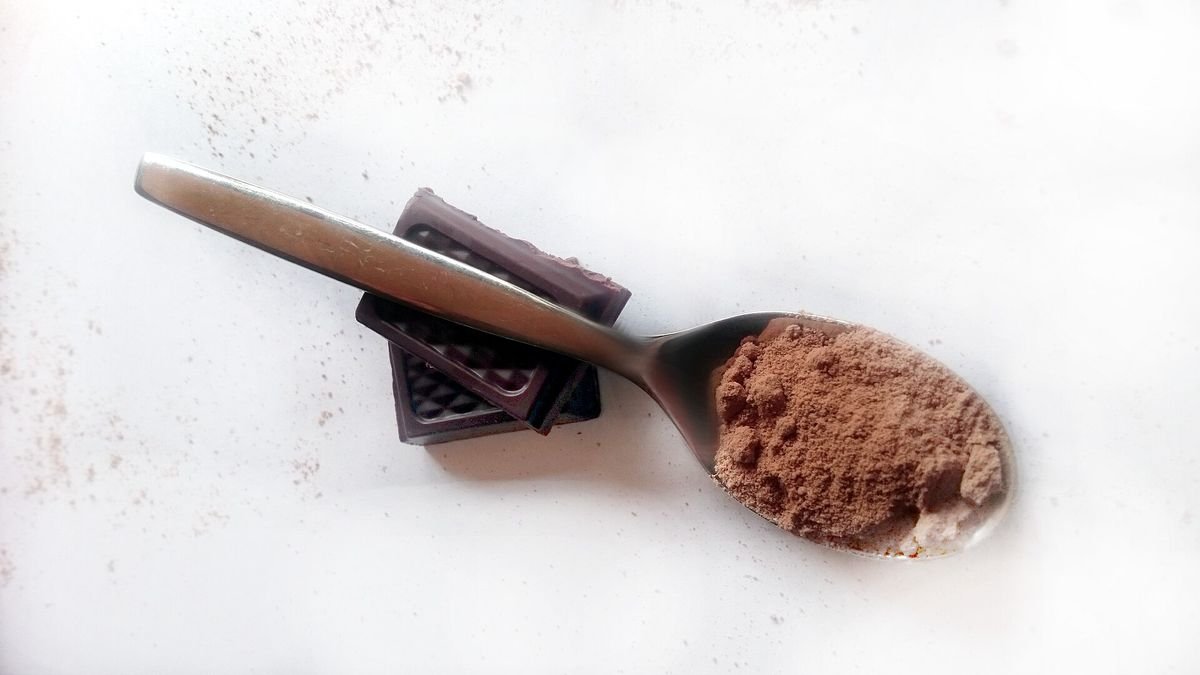
Methylxanthines stimulate the nervous system and heart, which can cause restlessness, a fast or irregular heartbeat, high blood pressure, tremors and, at higher doses, seizures. They also upset the gut and make dogs drink and urinate more. Chocolate treats are high in fat and sugar too, and VCA Animal Hospitals notes that even a non-toxic theobromine dose can still cause vomiting, diarrhea or pancreatitis.
How much chocolate is toxic to dogs?
The darker and more bitter the chocolate, the more methylxanthines it contains. The table uses figures from the Merck Veterinary Manual chocolate toxicosis page. Merck lists total methylxanthines, which are mostly theobromine plus some caffeine, so treat the numbers as approximate. Products vary by brand and cacao percentage.

| Type of chocolate | Approx. theobromine + caffeine (mg per oz) | Risk level | Notes |
|---|---|---|---|
| White chocolate | About 1 mg | Very low (for theobromine) | Fat and sugar can still upset the stomach or trigger pancreatitis. |
| Milk chocolate | About 64 mg | Moderate | Most Halloween candy. Small dogs and large amounts are the main worry. |
| Semisweet / sweet dark chocolate (and chips) | About 150-160 mg | High | Roughly 2.5 times milk chocolate. High-cacao bars can be higher. |
| Unsweetened baking chocolate | About 440 mg | Very high | Small amounts can be dangerous. |
| Dry cocoa powder | About 807 mg | Very high | The most concentrated form. |
| Cocoa bean mulch (garden) | About 255 mg | High | Smells tempting to dogs. Some mulches have had methylxanthines removed – check the label. |
Merck’s approximate thresholds for dogs, in milligrams per kilogram of body weight: mild signs such as vomiting, diarrhea and increased thirst may occur at 20 mg/kg; heart effects occur after 40-50 mg/kg; and seizures occur at 60 mg/kg or more. Merck adds that about 1 oz of milk chocolate per pound of body weight is potentially lethal, and severe signs can occur below published lethal doses.
A worked example (for understanding, not for deciding)
Take a 20 lb dog, about 9 kg:
- 1.5 oz milk chocolate bar: 1.5 x 64 mg = about 96 mg. Divided by 9 kg, that is roughly 11 mg/kg – below the 20 mg/kg mark, though stomach upset is still possible.
- 1.5 oz unsweetened baking chocolate: 1.5 x 440 mg = 660 mg, or roughly 73 mg/kg – above the level Merck links to seizures. That is a go-to-the-vet-now situation.
Same dog, same weight of chocolate, very different risk. But every dog is different: age, heart problems, medications and uncertain amounts all change the picture. Online chocolate toxicity calculators can give a rough idea, but they don’t replace a call. Let your vet or a poison line do the real calculation.
What to do right now, step by step
1. Remove the rest of the candy and keep the wrappers. Wrappers tell the vet the brand, type and sometimes cacao percentage. Count what’s missing if you can – “about four fun-size bars” beats “some”.
2. Note the time and your dog’s weight. Timing shapes treatment. Merck notes that inducing vomiting is most useful soon after eating, ideally within about two hours.
3. Call for advice. Call your regular vet if they’re open. If not, call an emergency vet or a 24/7 hotline:
- ASPCA Animal Poison Control Center: (888) 426-4435. The ASPCA says a consultation fee may apply.
- Pet Poison Helpline: (855) 764-7661. Its site lists a $99 per-incident fee, including follow-up consultations.
Some older articles list outdated numbers, so save these from the official sites. Hotlines usually give you a case number your vet can use, which saves time at the clinic.
4. Don’t induce vomiting at home unless told to. Hydrogen peroxide is the usual temptation, but vomiting is not always safe. Dogs can inhale vomit (aspiration pneumonia), it’s wrong for dogs already showing signs or with certain health conditions, and the wrong strength or amount of peroxide can irritate or damage the stomach. If a professional decides your dog should vomit, they will tell you how or do it at the clinic.
5. Follow the plan. If the dose is low, you may be told to watch at home and call back if anything changes. If you’re told to come in, go – treatment works best before signs develop.
Symptoms of chocolate poisoning and when they start
According to Merck, signs usually appear within 6-12 hours and can last up to 72 hours in severe cases. Because theobromine lingers, a dog who seems fine an hour later can still get sick that evening, which is why vets want to hear from you early.
- Mild: increased thirst, vomiting, diarrhea, a bloated belly, restlessness.
- Moderate: hyperactivity, peeing more, panting, a fast heart rate, wobbliness.
- Severe: tremors, stiffness, high body temperature, irregular heartbeat, seizures, collapse.
Go to an emergency vet immediately for tremors, seizures, collapse, breathing trouble, a racing or irregular heartbeat, or repeated vomiting. Merck notes that deaths are generally due to heart rhythm problems, overheating or respiratory failure. As with heatstroke in dogs, a shaking, overheated dog needs a vet, not a wait-and-see approach.
What the vet may do
Treatment depends on the dose, the timing and whether signs have started. For a recent, significant dose, the vet may give medication (usually an injection or eye drops) to make your dog vomit under supervision. Activated charcoal may be used to bind what’s left in the gut, though Merck’s current guidance favors a single low dose only for potentially lethal exposures, because charcoal can cause sodium and fluid problems. Older advice sometimes mentions repeated doses, so your vet will decide.
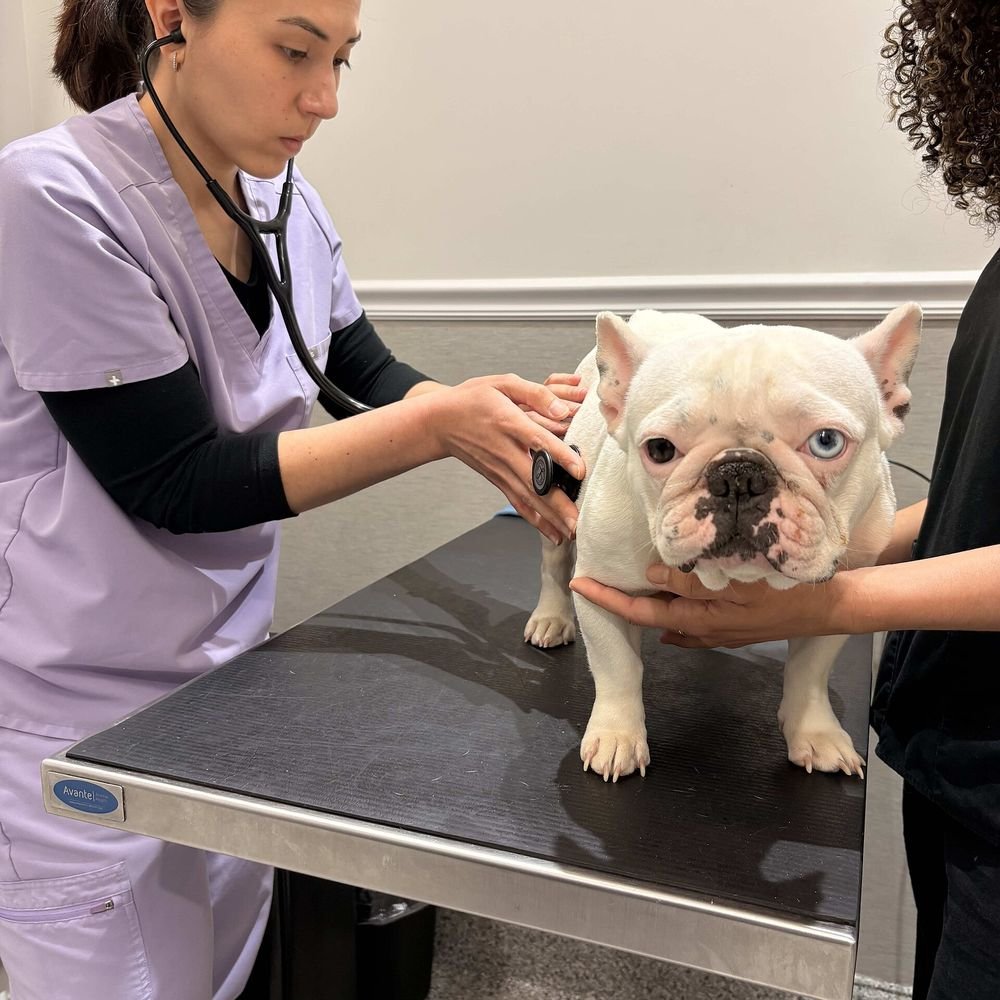
Dogs with symptoms may get IV fluids, heart rate and blood pressure monitoring, anti-nausea medication, and drugs to control tremors, seizures or abnormal heart rhythms. Some need a hospital stay. With prompt treatment the outlook is generally good, though severe cases and dogs with heart disease can do worse, and no one can promise an outcome.
Emergency care can be expensive. Pet insurance only helps if it’s in place before an incident, and problems found earlier can be excluded as pre-existing – our guide to pet insurance in 2026 explains what to look for. Without coverage, ask the clinic for an estimate and about payment options.
Halloween candy dangers beyond chocolate
The biggest non-chocolate risk is xylitol, a sweetener also sold as “birch sugar”. The FDA’s Paws Off Xylitol page explains that in dogs it can cause a surge of insulin and a dangerous drop in blood sugar, often within 10 to 60 minutes, and the ASPCA warns of possible liver damage. It shows up in sugar-free gum, mints, some sugar-free candy and some peanut and nut butters. Even small amounts can matter, so treat any xylitol exposure as an emergency call.

Other trick-or-treat bag hazards:
- Raisins and chocolate-covered raisins: grapes and raisins are linked to kidney damage in dogs.
- Macadamia nuts: can cause weakness, wobbliness, vomiting, tremors and fever, per the ASPCA.
- Wrappers, foil and lollipop sticks: can cause a blockage or gut injury. Tell the vet if wrappers are missing.
- A whole bag of sugar and fat: can cause vomiting, diarrhea and possibly pancreatitis, chocolate or not.
- Glow sticks: the liquid is very bitter. Pet Poison Helpline says it isn’t very toxic but can cause dramatic drooling and gagging.
Dressing your pet up? Our Halloween costumes for dogs and cats guide covers costume safety too, including small parts a dog could chew off.
What about cats?
Methylxanthines are toxic to cats as well, but chocolate poisoning in cats is reported far less often, mostly because cats show little interest in sweets. If your cat does eat chocolate, the advice is the same: note what and how much, and call your vet or a poison hotline.
Xylitol is less clear-cut for cats. The FDA says it “does not seem to be as dangerous for cats”, but that isn’t the same as safe. Keep sugar-free products away from every pet and call if you’re unsure.
How to keep candy away from your dog on Halloween night
Halloween combines a lot of candy with a lot of distraction: the doorbell keeps ringing, kids drop wrappers and the bowl sits at nose height. A few habits prevent most accidents:

- Keep the candy bowl up high, not on a chair or the floor by the door.
- Give your dog a quiet room with a crate or gate during trick-or-treat hours. It also prevents door-dashing.
- Store the kids’ candy bags behind a closed door, not in backpacks on the floor.
- Use a lidded or locking trash can – wrappers smell like chocolate.
- Give your dog their own safe chew so they have a job while everyone else snacks.
- Brief guests and kids: no sharing candy and no dropped wrappers.
The same habits work for Christmas stockings, Valentine’s boxes and Easter baskets. New puppies investigate everything, so see our puppy first week guide for puppy-proofing. Outdoors, cocoa bean mulch can tempt dogs; our pet-safe gardening guide covers mulch and plant hazards.
Research-based gear that helps prevent candy accidents
None of these treat poisoning; they just put barriers between your dog and the candy. We chose them from specifications, sizing information and owner feedback, not hands-on testing. Listings, sizes and stock can change, so check the current details and measure your space first. If you were already planning to buy a crate or gate, our Black Friday and Cyber Monday pet deals tracker is worth a look – but don’t wait for a sale if candy season is this week.
1. simplehuman 40L Slim Step Trash Can with Secure Slide Lock
simplehuman 40L Slim Step Trash Can with Secure Slide Lock is a pedal can with a slide lock that keeps the lid shut against curious noses. It suits homes with a known trash raider. Check the dimensions, since it’s tall and slim.
Pedal trash can (item type, not the exact product). Photo: Fjmustak, CC BY-SA 4.0, via Wikimedia Commons (resized)
simplehuman 40L Slim Step Trash Can with Secure Slide Lock
Locking lid for homes with a trash-raiding dog; tall slim shape, check dimensions first.
Check price on Amazon2. Regalo Easy Step Walk-Thru Baby Gate
Regalo Easy Step Walk-Thru Baby Gate is a pressure-mounted gate with a walk-through door that also works as a pet gate. The listing says it fits openings of 29-38.5 inches. Big jumpers may clear it, so consider your dog’s size.

Walk-through safety gate (item type, not the exact product). Photo: Penguinpappa, CC BY-SA 4.0, via Wikimedia Commons (resized)
Regalo Easy Step Walk-Thru Baby Gate
Walk-through gate for 29-38.5 in openings; blocks kitchens on Halloween; big jumpers may clear it.
Check price on Amazon3. MidWest iCrate Double Door Dog Crate
MidWest iCrate Double Door Dog Crate is a folding wire crate with two doors. This is the 36-inch listing and other sizes exist. It suits crate-trained dogs who need a calm spot during the doorbell rush. Pick a size your dog can stand, turn and lie down in.

Wire dog crate (item type, not the exact product). Photo: Chaoticfluffy, CC BY-SA 3.0, via Wikimedia Commons (resized)
MidWest iCrate Double Door Dog Crate
Folding two-door crate for crate-trained dogs; 36-inch listing, other sizes available.
Check price on Amazon4. KONG Extreme Dog Toy
KONG Extreme Dog Toy is a tough rubber chew you can stuff with dog-safe food. It keeps your dog busy while candy is around. The listing defaults to Large, so choose the right size, and never use xylitol-containing peanut butter as a filling.

Stuffable rubber chew toy (item type, not the exact product). Photo: Ginny, CC BY-SA 2.0, via Wikimedia Commons (resized)
KONG Extreme Dog Toy
Stuffable tough chew to keep dogs busy; listing defaults to Large; avoid xylitol fillings.
Check price on Amazon5. Rubyloo Dog First Aid Kit (Essential)
Rubyloo Dog First Aid Kit (Essential) is a compact kit for everyday scrapes. A first aid kit does NOT treat chocolate or xylitol poisoning. Use it as the place you keep your vet’s number, your nearest emergency vet and both poison hotline numbers.
First aid kit (item type, not the exact product). Photo: Renée Kools, CC BY 4.0, via Wikimedia Commons (resized)
Rubyloo Dog First Aid Kit (Essential)
Compact kit for minor scrapes; does not treat poisoning – store hotline numbers inside.
Check price on AmazonFAQ
My dog ate one M&M or a small piece of milk chocolate – is that an emergency?
For most medium and large dogs, one M&M or a small piece of milk chocolate is unlikely to reach toxic levels, though mild stomach upset is possible. For tiny dogs, puppies, dogs with heart conditions, dark or baking chocolate, or an unknown amount, call to be safe.
How long after eating chocolate will a dog get sick?
Usually within 6-12 hours, according to Merck, with signs lasting up to 72 hours in severe cases. Call before signs appear.
Should I make my dog throw up?
Not unless a vet or poison expert tells you to. It can be risky and isn’t right for every dog.
Can a dog die from eating chocolate?
Yes, though it’s uncommon with prompt treatment. Risk is highest with baking chocolate, cocoa powder and dark chocolate, and in small dogs.
Is white chocolate safe for dogs?
Not exactly. It contains almost no theobromine, but the fat and sugar can still cause vomiting, diarrhea or pancreatitis, so call if your dog ate a lot.
My dog ate chocolate 24 hours ago and seems fine – what now?
Serious poisoning is less likely if there are still no signs, but call your vet anyway. Mention any vomiting, diarrhea, restlessness or extra thirst, and watch for a painful belly or loss of appetite, which can point to pancreatitis.
What is the ASPCA poison control number?
(888) 426-4435. The ASPCA Animal Poison Control Center is open 24 hours a day, 365 days a year, and a consultation fee may apply.
Are chocolate-flavored dog treats safe?
Treats made for dogs that look like chocolate usually use carob, a common dog-safe substitute. Check the label for real chocolate or cocoa, and never share human chocolate treats.
Bottom line
If your dog ate chocolate, don’t panic and don’t wait. Grab the wrappers, estimate how much was eaten and what your dog weighs, and call. The darker the chocolate, the more urgent the call, and anything with xylitol is an emergency in its own right.
Save these numbers before the trick-or-treaters arrive: ASPCA Animal Poison Control Center, (888) 426-4435, and Pet Poison Helpline, (855) 764-7661. Both are open 24/7 and charge a fee. Keep candy up high and wrappers in a locked bin, and your dog can enjoy Halloween from a safe distance.