
Dog Breeds and What Each One Needs
Breed doesn’t just decide how a dog looks. It shapes the health problems they’re likely to face and the care that prevents them.
Conformation predicts care
The most useful way to think about breed health isn’t the kennel club group — it’s body shape. A flat face, a long spine, or a deep chest each brings a predictable set of risks, and knowing yours tells you what to watch for.
The clearest example: research from the Royal Veterinary College’s VetCompass programme found flat-faced breeds carry an average of 33 disorders per breed, against 11 for breeds that are not flat-faced. That is not a small difference, and it is almost entirely a consequence of shape.
Find your dog’s shape
Most dogs sit in one of these groups, and mixed breeds usually inherit the risks of whichever shape they most resemble.
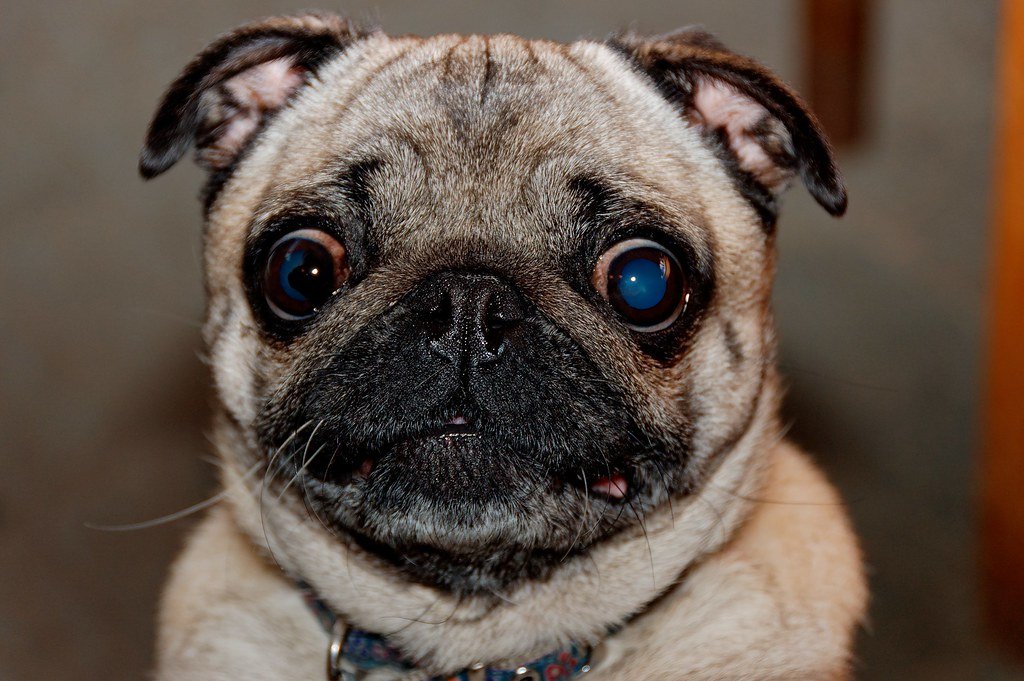
Flat-faced (brachycephalic)
The shortened muzzle that gives these breeds their face also compresses the airway behind it. Panting is how a dog sheds heat, and a compromised airway makes panting far less effective — which is why these breeds overheat faster than any other group.
- Heat is the biggest risk. They deteriorate in a fraction of the time a Labrador would in the same conditions.
- Noisy breathing is not normal. Snorting and snoring are signs of obstruction, not personality.
- Eye injuries are common because shallow sockets leave the cornea exposed.
- Skin folds need drying after washing or they develop infections.
Related: Heatstroke first aid · Cooling vests compared
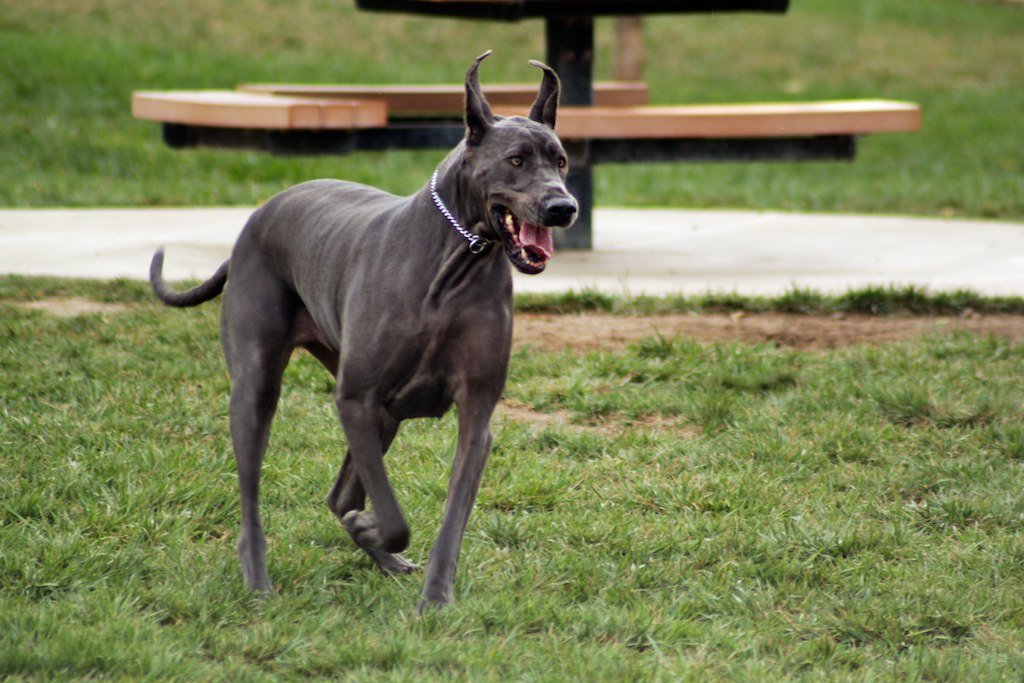
Large and giant breeds
Size changes almost everything: growth rate, joint loading, drug dosing, and lifespan. Giant breeds are seniors by six or seven while a terrier is barely middle-aged.
- Bloat (GDV) is a true emergency. Deep-chested breeds are most at risk — a distended abdomen with unproductive retching means the vet now, not in the morning.
- Grow them slowly. Overfeeding a large-breed puppy loads developing joints and is linked to later dysplasia.
- Hip and elbow dysplasia are among the most widely reported inherited disorders.
- They age early. Senior care planning starts around six, not ten.
Related: Senior dog care · Joint supplements: what works
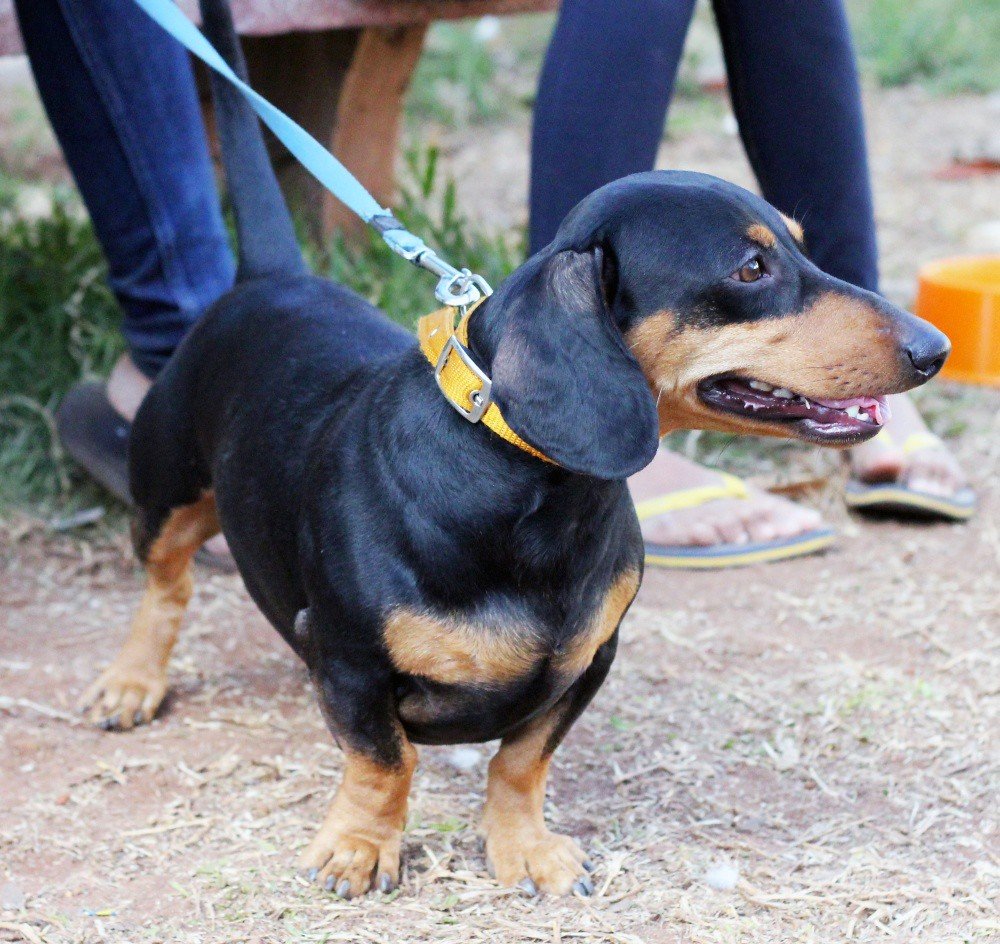
Long-backed, short-legged
A long spine on short legs concentrates load through the middle of the back. Intervertebral disc disease is the defining risk, and it can present suddenly in an otherwise healthy young dog.
- Discourage stairs and furniture jumping. Ramps are cheap; spinal surgery is not.
- Sudden reluctance to move, a hunched back, or dragging back legs is an emergency.
- Keep them lean. Every extra kilo loads the spine directly.
- Support the back when lifting — one hand under the chest, one under the hindquarters.
Related: Choosing the right dog
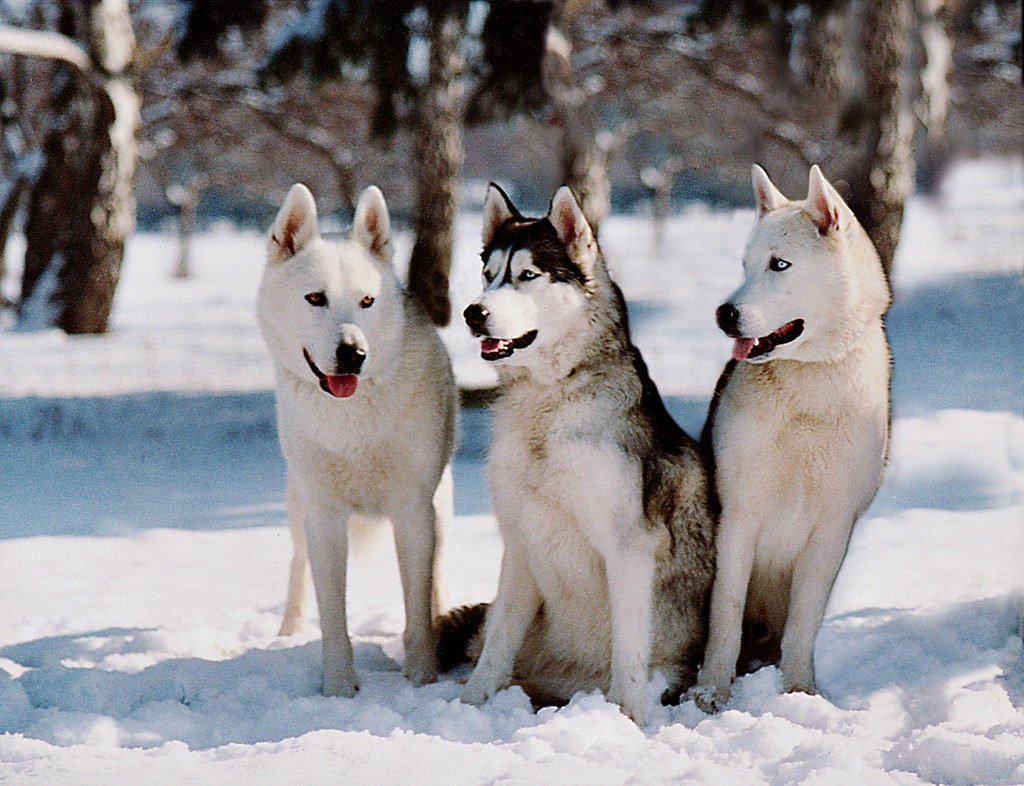
Thick-coated northern breeds
Bred for cold, insulated against it, and frequently kept in climates they were never designed for. The coat that traps warmth also traps it in summer.
- Never shave the double coat. It insulates against heat as well as cold, and it often grows back wrong.
- Heat tolerance is genuinely poor. Walk early, walk late, and watch for early heat stress.
- Exercise need is high and non-negotiable — under-exercised northern breeds become destructive.
- Shedding is seasonal and dramatic. Budget time, not just money.
Related: Heatstroke first aid · Summer pet safety
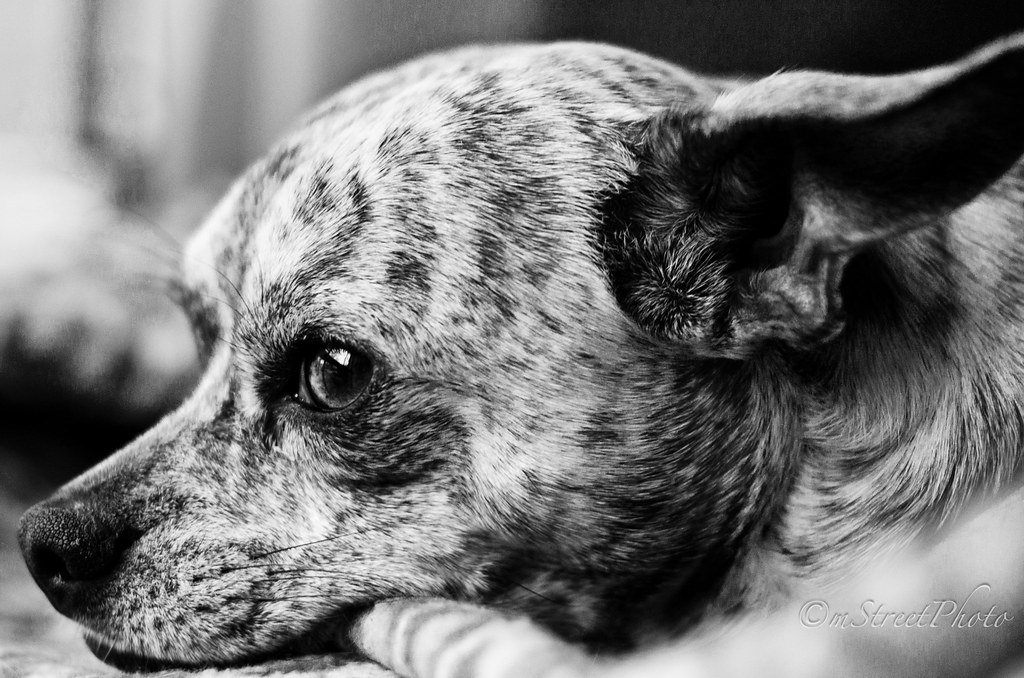
Toy and small breeds
Small bodies concentrate problems into small structures: crowded teeth, delicate kneecaps, and a windpipe that can collapse. They also live a long time, so those problems have years to develop.
- Dental disease is close to universal. Crowded teeth trap plaque, and it starts early.
- Patellar luxation — a slipping kneecap — is one of the most commonly reported inherited disorders in this group.
- A persistent honking cough can indicate tracheal collapse. Use a harness, never a collar, for walking.
- They feel cold genuinely, not fashionably. A coat in winter is practical.
Related: Dental care at home · Harnesses compared
Sporting and working breeds
Built to work all day, and they still expect to. Most behavioural problems in this group trace back to a dog with a job it never got.
- Mental work matters as much as physical. A tired body with a bored mind still causes trouble.
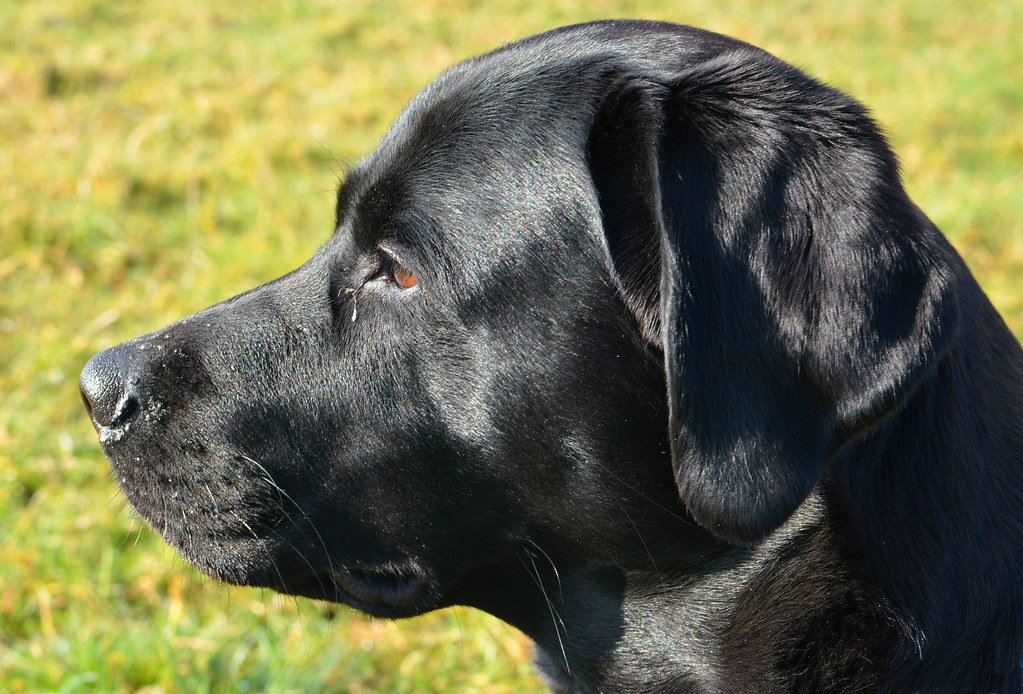
- Retrievers are prone to weight gain, which compounds joint problems later.
- Hip and elbow dysplasia are common; ask breeders for scored parents.
- Ear infections are frequent in drop-eared spaniels and retrievers, especially swimmers.
Related: Best dog food · Puppy’s first week
The four most widely reported inherited disorders
A review of inherited disorders across purebred dogs found these affect the largest share of breeds. Worth asking any breeder about, whatever shape your dog is.
| Disorder | Share of breeds affected | What it means day to day |
|---|---|---|
| Cataract | 30.6% | Clouding of the lens. Often gradual; sudden onset warrants a same-week vet visit. |
| Hip dysplasia | 22.3% | Malformed hip joint leading to arthritis. Weight control and steady exercise matter more than supplements. |
| Patellar luxation | 20.9% | Kneecap slips out of position. A skipping step on a back leg is the classic sign. |
| Progressive retinal atrophy | 16.5% | Gradual sight loss, usually starting with night vision. DNA tests exist for many breeds. |
Questions worth asking a breeder
Health testing
Ask which screening the parents have had — hip and elbow scores, eye testing, and any DNA panels relevant to the breed. Ask to see the certificates rather than take the word for it.
Breathing, for flat faces
For brachycephalic breeds, ask whether the parents have been assessed for breathing function. A breeder who treats snorting as charming rather than clinical is telling you something.
General guidance, not veterinary advice. Breed predispositions describe populations, not individuals — plenty of flat-faced dogs breathe well and plenty of Labradors have perfect hips. Your vet can assess your actual dog.
Sources: RVC VetCompass · RVC — epidemiology of brachycephaly · Inherited disorders in purebred dogs by functional breed grouping · VCA — bloat (GDV)