
As an Amazon Associate, PetKiddies earns from qualifying purchases. We may also earn from other affiliate links on this page at no extra cost to you.
A quick note: we are not vets, and this is general information, not a substitute for your vet. If your dog ate grapes, raisins, currants or sultanas, even a few, call your vet, an emergency vet or a pet poison line now. Do not wait for symptoms. We researched veterinary guidance (ASPCA Animal Poison Control Center, Merck Veterinary Manual, Pet Poison Helpline, VCA and similar) and product listings; we did not test any products.
Last updated: Nov 28, 2026
Grapes look like a healthy snack, and raisins turn up in plenty of holiday baking. For dogs, though, both are on every veterinary danger list we checked.
This guide covers the risk, what to do, and the Christmas foods that hide raisins. If it has just happened, skip to the steps below.
Quick answer
- No, dogs should not eat grapes or raisins. Grapes, raisins, currants and sultanas can cause kidney injury in dogs.
- There is no known safe amount. VCA says there is no well-established toxic dose.
- Act fast. Call your vet, ASPCA Animal Poison Control at (888) 426-4435 or Pet Poison Helpline at (855) 764-7661. A fee may apply.
- Do not make your dog vomit at home unless a vet tells you to.
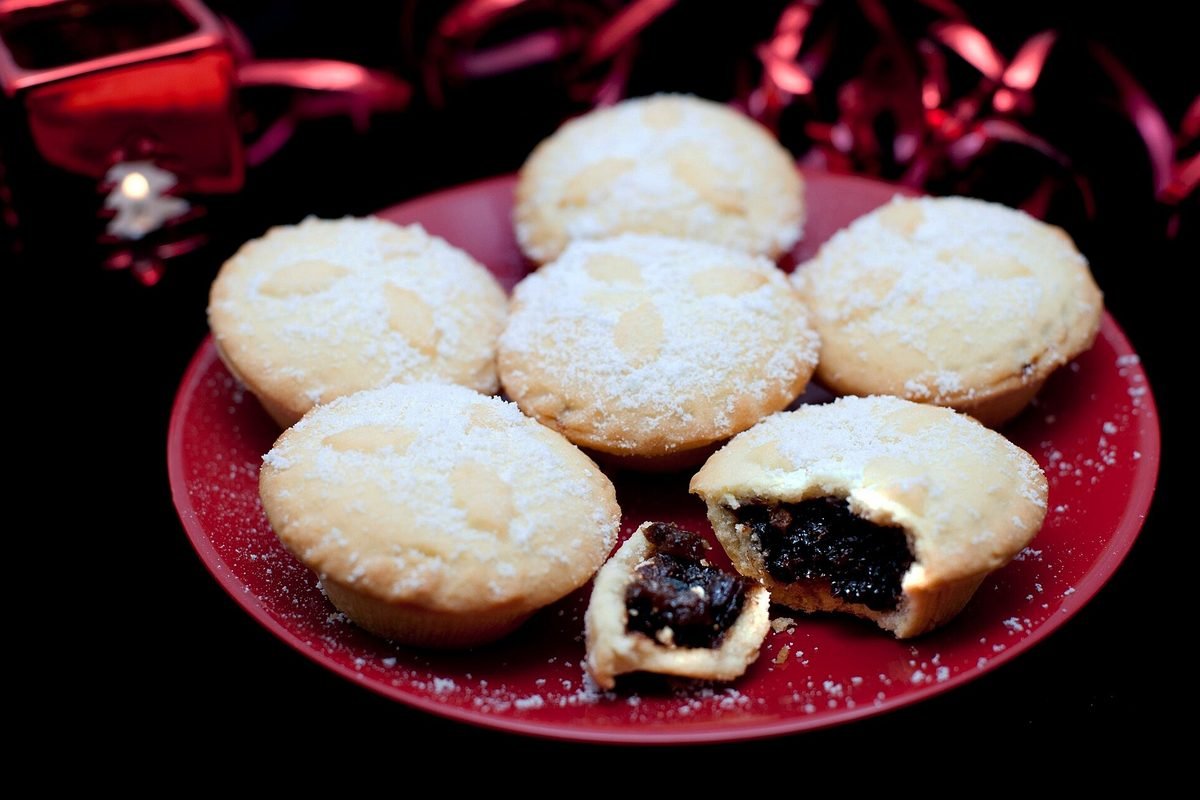
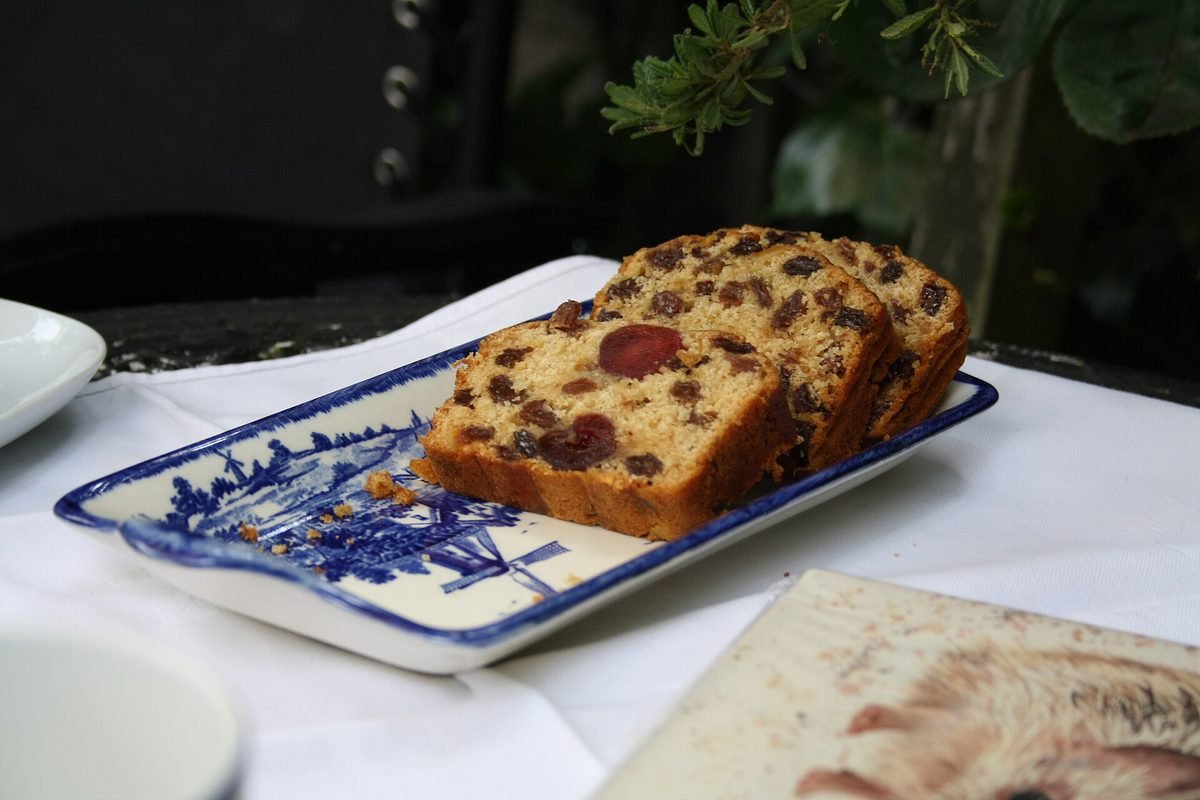
- Watch holiday baking. Fruitcake, mince pies, Christmas pudding and stollen can all hide raisins.
Why grapes and raisins are dangerous for dogs
Pet Poison Helpline says grapes, raisins, sultanas and Zante currants are toxic for dogs, with stomach upset followed by kidney injury. The dried currants used in baking are usually Zante currants, which Pet Poison Helpline says are actually small raisins; true currants (genus Ribes) are not considered toxic.
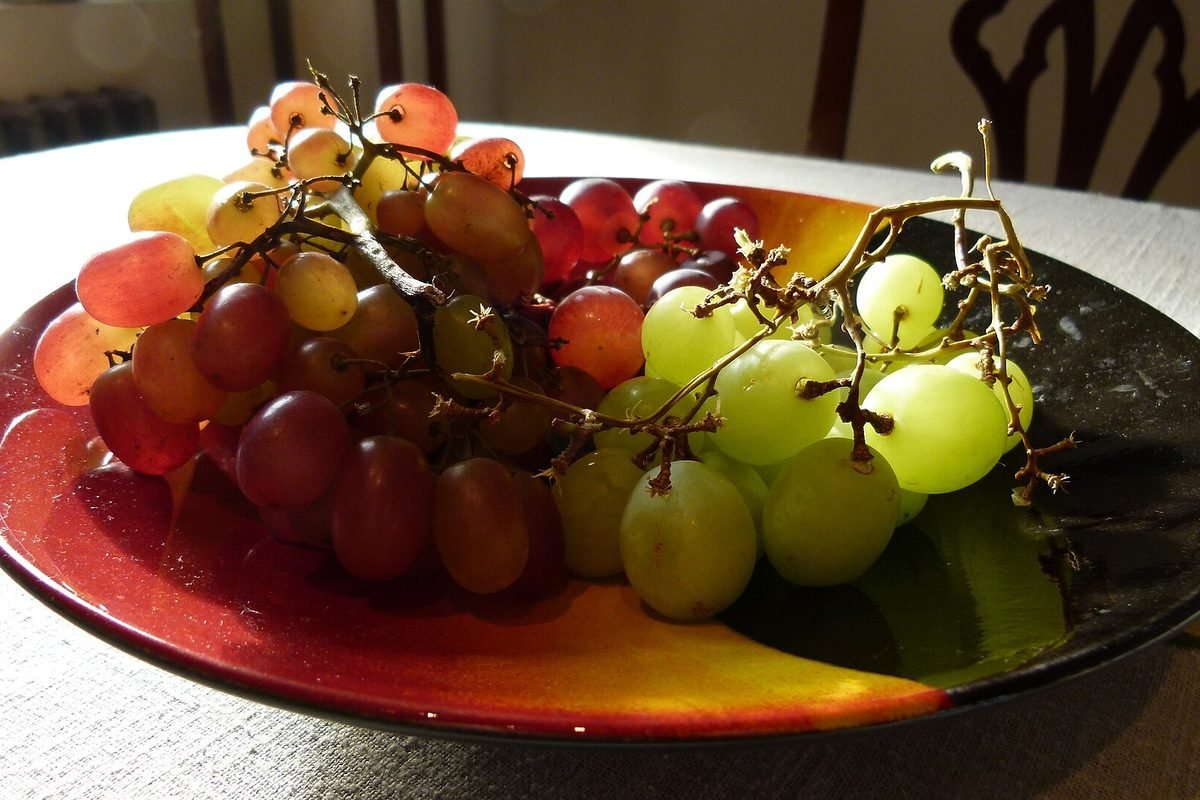
What is the toxic part? In an April 2021 letter in the Journal of the American Veterinary Medical Association, veterinarians including two from the ASPCA Animal Poison Control Center proposed tartaric acid, after dogs fell ill from homemade playdough made with cream of tartar. Sources still hedge. The ASPCA says tartaric acid “is speculated to be the toxic component,” Pet Poison Helpline calls it “the suspected toxin” that “has not yet been proven,” and VCA (updated Sep 2026) says it “has been proposed as the culprit.” It is the leading explanation, not a settled fact.
Why there is no safe amount. VCA says “there is currently no way to predict which dogs may be more susceptible.” AKC says some dogs get ill from a single grape while others eat grapes without getting sick, and VCA and Merck note tartaric acid levels may vary between fruits. So every exposure counts.
My dog ate grapes or raisins: what to do now
- Move your dog away from any remaining food.
- Note what, how much and when. The ASPCA asks owners to note the amount eaten. Keep the packaging or recipe.
- Call right away, even if your dog seems fine: your vet, an emergency vet, ASPCA Animal Poison Control at (888) 426-4435 or Pet Poison Helpline at (855) 764-7661. Both say they are open 24/7. The ASPCA says a consultation fee may apply, and Pet Poison Helpline lists a per-incident fee.
- Do not induce vomiting or give home remedies. Pet Poison Helpline says not to induce vomiting without consulting a vet or the helpline.
- Go in if advised, with the packaging and any case number. Pet Poison Helpline says the sooner a poisoning is treated, the easier, less expensive and safer it is.
Symptoms and timing
VCA says the most common early sign is vomiting or diarrhea within 12 to 24 hours; Merck and AKC say early signs can appear within 6 to 12 hours. Lethargy, loss of appetite and abdominal pain can also show up.
VCA says more severe signs may not appear until 24 to 48 hours after eating, often after kidney damage has begun, including excessive thirst and urination and dehydration. Merck says reduced or no urine can develop within 24 to 72 hours, and once urine stops, VCA says the prognosis is poor. That delay is why you should call before symptoms appear.
What the vet may do
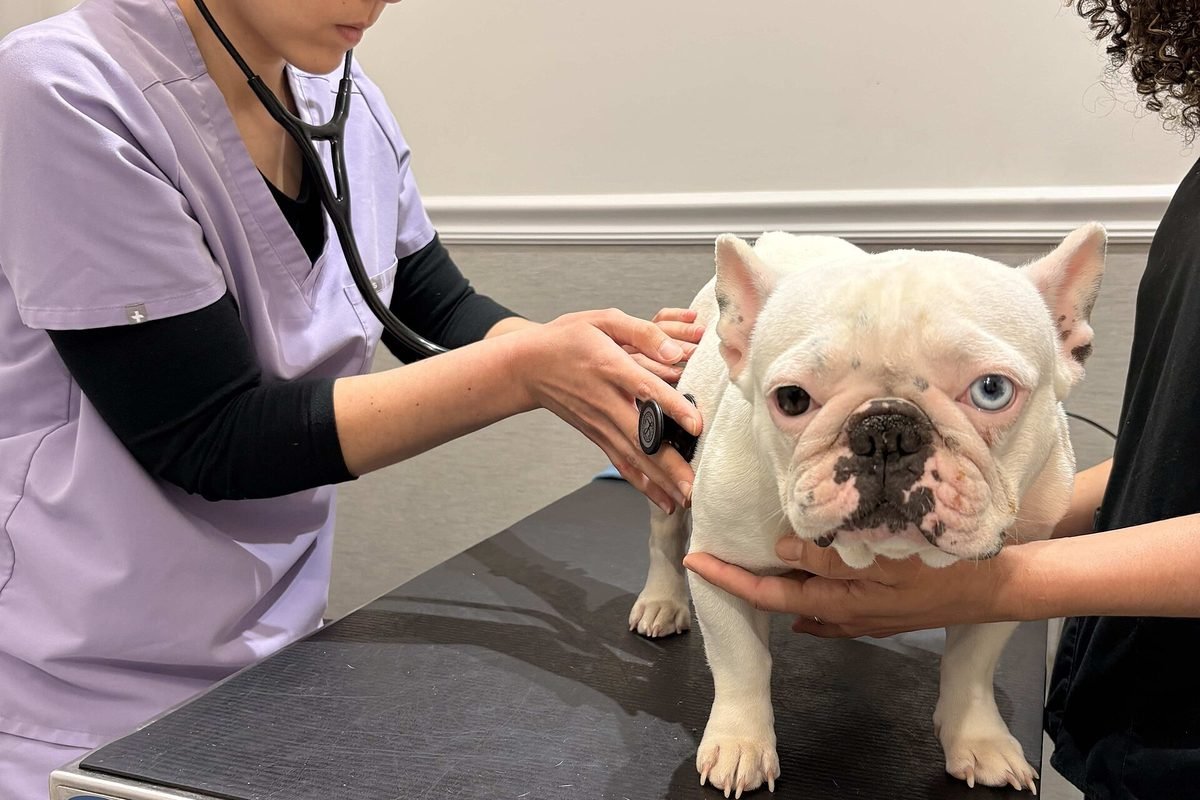
VCA says there is no specific lab test for grape or raisin poisoning, so your history matters. According to VCA, treatment includes decontamination, IV fluids and bloodwork monitoring to protect the kidneys. Merck describes the same core approach, with IV fluids for at least 48 hours in higher-risk cases.
VCA says a dog treated promptly, before symptoms develop, “generally has a good prognosis,” while dogs that survive kidney injury may develop chronic kidney disease.
Holiday foods that hide raisins and grapes
Pet Poison Helpline says these fruits often hide in holiday baking such as fruitcakes, breads, cookies and stuffing. VCA adds cereal, trail mix, granola bars and chocolate assortments.
| Food | Why it’s a risk | Safer swap for your dog |
|---|---|---|
| Fruitcake | Raisins and currants; some are rum-soaked | A few plain blueberries |
| Mince pies | Filling is usually raisins, currants and sultanas | Plain apple slices, no seeds or core |
| Christmas pudding | Dense with dried fruit; may contain alcohol | Plain cooked sweet potato, skin off |
| Panettone and stollen | Raisins baked through the bread | Plain apple slices, no seeds or core |
| Raisin bread and bagels | Raisins are hard to spot once baked | A few plain blueberries |
| Trail mix and granola | Raisins, plus chocolate in some mixes | A few plain blueberries |
| Oatmeal raisin cookies | Raisins in every bite | Plain cooked sweet potato, skin off |
| Chocolate-covered raisins | Raisins plus chocolate, both toxic to dogs | Plain apple slices, no seeds or core |
AKC says apples are fine with seeds, core and stem removed, blueberries are generally safe in moderation (a choking risk for very small dogs), and sweet potato should be cooked with the skin removed. Keep portions small. For chocolate, see our dog ate chocolate guide.
What about cats?
Cases in cats are rarely reported. PetMD says grape toxicity “is uncommon in cats, but it has been documented,” and VCA says the true risk in cats “is unknown.” Pet Poison Helpline says poisoning is primarily reported in dogs. VCA recommends avoiding grapes, raisins and currants for cats as a precaution; if your cat eats some, call your vet.
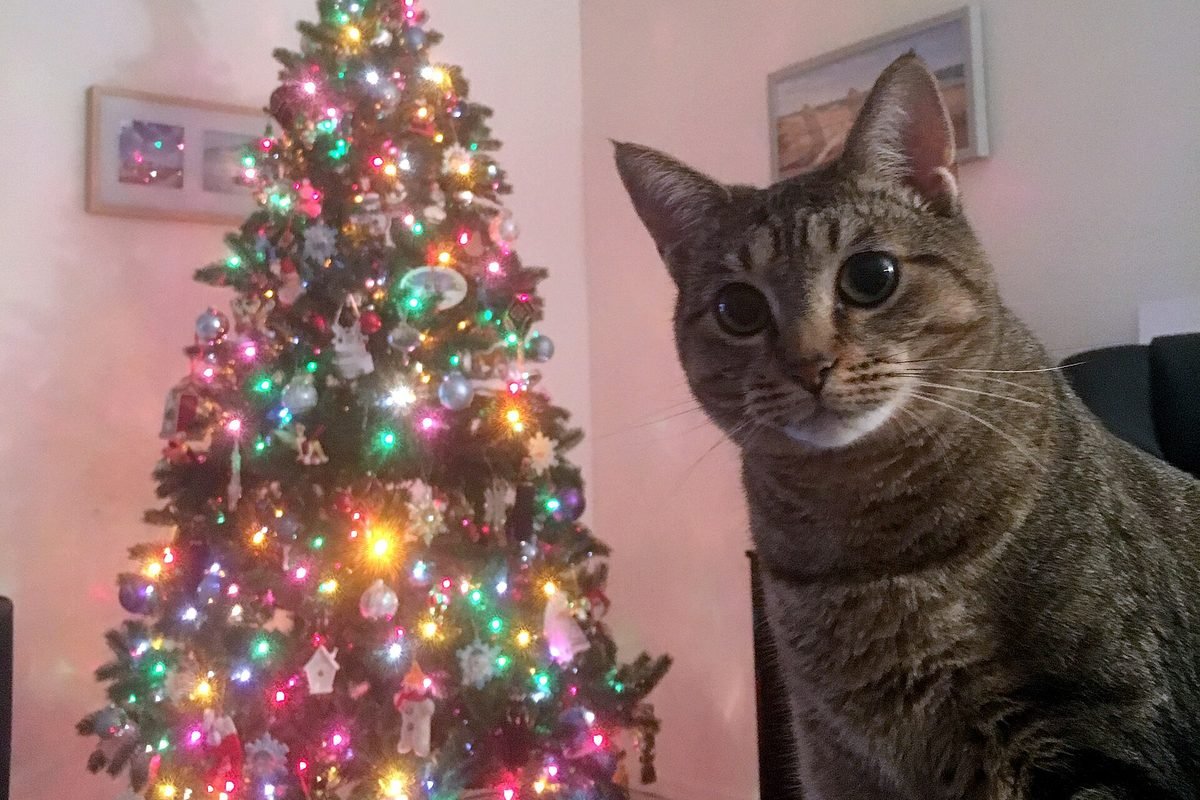
Keeping grapes away from pets this Christmas
- Clear the counters. Keep fruit bowls and cooling cakes in closed cupboards.
- Check kids’ snacks. Raisin boxes and lunchbox grapes get dropped, so have children eat at the table.
- Brief your guests. Ask visitors not to share scraps.
- Secure the trash. Leftover pudding in an open bin is easy to reach.
- Watch gift baskets. VCA warns about raisin treats under the Christmas tree.
Helpful gear
None of these replaces a call to your vet; they just make food harder to reach. Read the current listing before you buy.
A kitchen trash can with a lid lock suits dogs that raid the bin. Check that the lid actually locks and fits your bags, and remember a lock only works if everyone uses it.
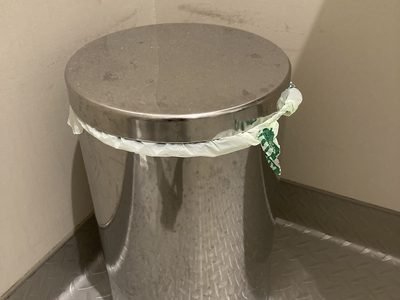
Pedal bin (illustrative photo, not the exact product). Photo: DrThneed, CC BY-SA 4.0, via Wikimedia Commons (resized)
Kitchen trash cans with lid locks (Amazon search results)
Amazon search results. Look for a lid that locks, not just closes, and a size that fits your bags. A lock only helps if it is used every time.
Search on AmazonAdhesive cabinet and fridge latches suit dogs that nose open low pantry doors. Check which surfaces the adhesive suits and how long it needs to set.

Dog in a kitchen (illustrative photo, not the exact product). Photo: St.ChromaLover15, CC BY 4.0, via Wikimedia Commons (resized)
Adhesive cabinet and fridge locks (Amazon search results)
Amazon search results. Check which surfaces the adhesive suits and how long it must set before use. Keeps dogs out of low pantry doors.
Search on AmazonAirtight containers keep raisins and dried fruit sealed. Check the lid seal and pick sizes that fit a high shelf.
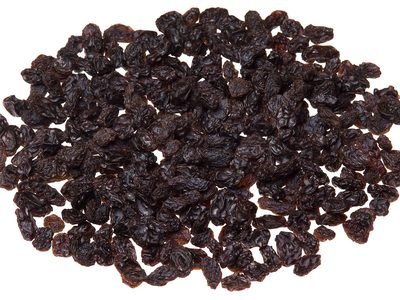
Raisins (illustrative photo, not the exact product). Photo: Evan-Amos, CC0, via Wikimedia Commons
Airtight pantry storage containers (Amazon search results)
Amazon search results. Keep raisins and dried fruit sealed and on a high shelf. Check the lid seal and sizes before you buy.
Search on AmazonFAQ
How many grapes are toxic to a dog?
No safe amount is known. VCA says there is no well-established toxic dose, so treat any grape or raisin as a reason to call your vet.
How long after eating grapes will a dog show symptoms?
Vomiting or diarrhea often starts within 6 to 24 hours, according to Merck, AKC and VCA. Signs of kidney injury may follow 24 to 72 hours after eating.
My dog ate one grape. What should I do?
Call your vet or a pet poison line now, even if your dog seems fine. AKC says even a single grape can make some dogs seriously ill.
Are raisins safer than grapes?
No. AKC and the ASPCA say both are toxic to dogs, and Pet Poison Helpline lists sultanas and Zante currants as raisins too.
Can cats eat grapes?
It is best not to. Cases are rare and the true risk is unknown, but VCA recommends avoiding grapes, raisins and currants for cats as a precaution.
Is grape jelly or grape juice dangerous for dogs?
VCA says commercial grape juice and jellies made from juice concentrate do not appear to cause poisoning. Whole grapes and raisins remain dangerous.
Bottom line
Grapes, raisins, currants and sultanas can cause kidney injury in dogs, and nobody can predict which dog or what amount will cause it. If your dog eats any, call your vet or a poison line straight away, before symptoms start. This Christmas, keep the fruitcake and mince pies out of reach and offer a plain apple slice instead.
More from PetKiddies
- Pet poison control: who to call and what to do
- Thanksgiving foods for dogs and cats
- Can dogs eat cranberries?
- Xylitol and dogs: sugar-free candy emergency guide
- Can dogs eat ham?
- Are poinsettias poisonous to cats and dogs?
Sources
- ASPCA Animal Poison Control, “People Foods to Avoid Feeding Your Pets” and “ASPCA Poison Control” (accessed Nov 28, 2026). Food list, Poison Control
- Wegenast CA et al. “Unique sensitivity of dogs to tartaric acid and implications for toxicity of grapes.” JAVMA, April 1, 2021, as summarized by AAHA NEWStat (accessed Nov 28, 2026). aaha.org
- Merck Veterinary Manual, “Raisin and Grape Toxicosis in Dogs” (accessed Nov 28, 2026). merckvetmanual.com
- Pet Poison Helpline, “Grapes,” “Raisins,” “Currants,” “Winter Holiday Hazards for Pets” and home page (accessed Nov 28, 2026). Grapes, Raisins, Currants, Holidays, Home
- VCA Animal Hospitals, “Grape, Raisin, and Currant Poisoning in Dogs,” last updated Sep 11, 2026 (accessed Nov 28, 2026). vcahospitals.com
- AKC, “Can Dogs Eat Grapes?”, “Can Dogs Eat Apples?”, “Can Dogs Eat Blueberries?” and “Can Dogs Eat Sweet Potatoes?” (accessed Nov 28, 2026). Grapes, Apples, Blueberries, Sweet potatoes
- PetMD, “Can Cats Eat Grapes?” (2023, accessed Nov 28, 2026). petmd.com
- Amazon.com search results, checked Nov 28, 2026.
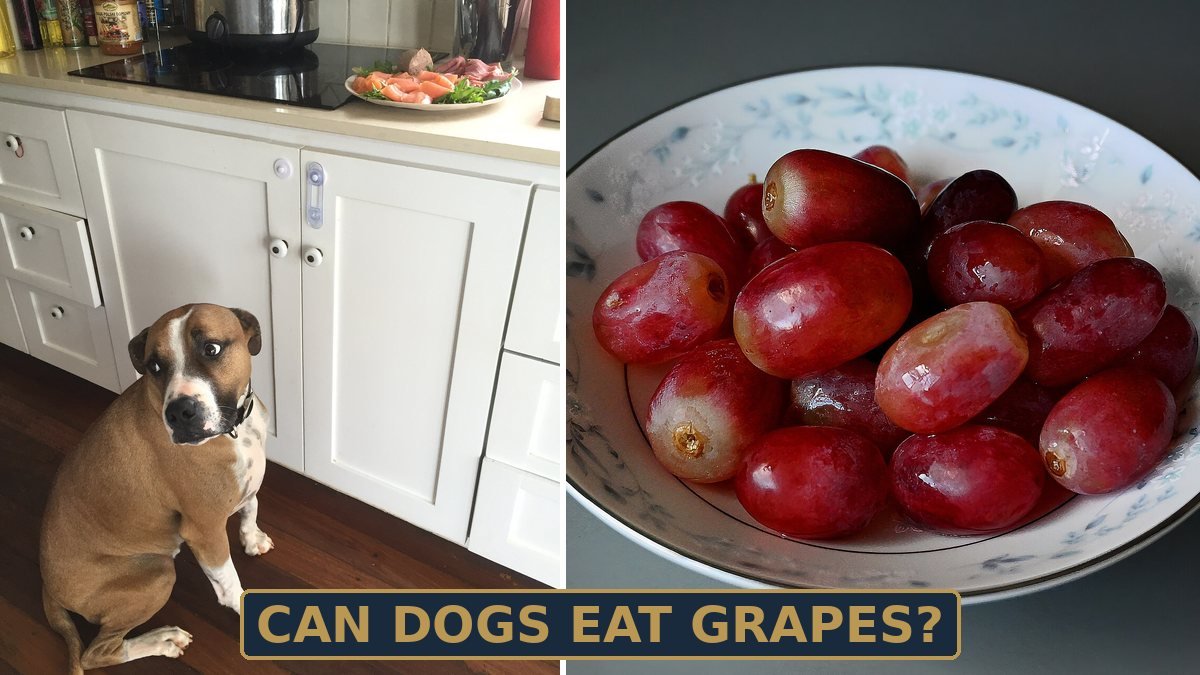
Featured photos: left, Photo: Kgbo, CC BY-SA 4.0, via Wikimedia Commons (resized); right, Photo: Choo Yut Shing, CC BY 2.0, via Wikimedia Commons (resized)