
As an Amazon Associate, PetKiddies earns from qualifying purchases. We may also earn from other affiliate links on this page at no extra cost to you.
A quick note: we are not vets, and this is general information, not a substitute for advice from your own vet. If your pet ate ice melt or seems unwell, call your vet, an emergency vet or a pet poison hotline right away.
Last updated: Nov 13, 2026
The first snow of the season has reached parts of the Northeast, and that means salted sidewalks, gritty parking lots and dogs who come home with sore, itchy feet. Searches for pet-friendly ice melt and paw balm have picked up this week, so we researched what vets and poison experts actually say.
The short version: ice melt can irritate paws, and dogs and cats lick it off. A quick wipe after each walk does most of the work. This guide covers how the common ice melts compare, what “pet safe” on a bag really tells you, a simple paw routine, and what to do if your dog eats some.
Quick answer
- Ice melt can irritate paws. The ASPCA says de-icers can be harsh on dogs’ paws and cause irritation, and its cold-weather tips mention chapped paws and itchy, flaking skin.
- Licking is the bigger worry. Pet Poison Helpline says most ice melt exposures are limited to stomach upset and local skin irritation, but some products and large amounts can be more serious.
- “Pet safe” is not a regulated standard. The ASPCA says there are no specific requirements for labeling a de-icer “pet safe.” A vet quoted by PetMD says no ice melt is entirely pet-safe.
- Wipe or rinse paws after every walk, dry between the toes, and check for cracks or redness.
- Balm, wax or booties add a layer between the pads and the pavement. Introduce them gradually.
- If your dog eats ice melt, call your vet, an emergency vet or a pet poison hotline. Do not try home remedies.
How ice melt and road salt affect paws
On contact, salt and other de-icers can dry and irritate the skin on paw pads. The AKC notes that cold outdoor air and dry indoor air can also make paws crack, and the ASPCA tells owners to check for cracks in the pads and redness between the toes. PetMD adds that some of the harsher ice melts can cause chemical burns.
The second problem is what happens afterward. Dogs lick their paws, and the ASPCA warns that winter walks can become dangerous if chemicals from ice-melting agents are licked off bare paws. Pet Poison Helpline says mild ingestions usually lead to stomach upset such as vomiting and diarrhea, and that dogs eating large amounts of sodium chloride can develop high blood sodium with nervous system signs. PetMD notes that licking paws after a walk will typically not cause neurologic problems.
Signs to watch for, per PetMD and the ASPCA, include limping, licking or chewing at the paws, red or irritated skin, drooling, vomiting and diarrhea. Weakness, unsteadiness, muscle twitches or seizures are an emergency. Cats that go outdoors can face the same issue because they groom their paws; see the FAQ below.
Common ice melts compared
Bags often list several ingredients, and veterinary sources do not always rank them the same way. This table summarizes what Pet Poison Helpline, the ASPCA and PetMD say.

| Ingredient | Common name | What to know for pets |
|---|---|---|
| Sodium chloride | Rock salt | The most commonly used de-icer (ASPCA). Can irritate paws. Large ingestions can raise blood sodium to dangerous levels (Pet Poison Helpline). |
| Calcium chloride | Pellet melters | Pet Poison Helpline calls calcium salts the most severe irritants among ice melt ingredients; ingestion can cause severe stomach and gut signs. |
| Magnesium chloride | Often sold as “pet friendly” | The ASPCA and PetMD say pet-friendly melts typically contain urea or magnesium chloride, but they may still upset the stomach. Pet Poison Helpline says ingestion can be irritating. |
| Potassium chloride | Salt-type melter | Pet Poison Helpline calls it a severe irritant, to the point of bloody vomiting or diarrhea. |
| Calcium magnesium acetate | CMA | Pet Poison Helpline lists it in its calcium salts group. We did not find a separate pet-specific entry in the sources we read. |
| Urea | Urea-based melt | Generally the type labeled as safe around pets (Pet Poison Helpline). Ingestion usually causes drooling and mild stomach irritation; large amounts may cause weakness and tremors. |
| “Pet-friendly” blends | Varies by brand | Check the ingredient list. The term is not regulated, and the product should still not be eaten. |
Sources differ in tone: PetMD describes the common chloride-based melts as highly toxic if ingested, while Pet Poison Helpline says most exposures are mild. Either way, the advice is the same: keep dogs from eating it, and call for help if they do.
What “pet safe” ice melt really means
The ASPCA says there are no specific requirements for labeling a de-icer “pet safe.” We did not find a single standard behind the phrase, so treat it as a marketing term rather than a guarantee. A vet quoted by PetMD says no ice melt is entirely pet-safe.
What to do instead:
- Read the ingredients, not just the front of the bag. Urea and magnesium chloride are the ingredients the ASPCA and PetMD associate with pet-friendly melts.
- Use less. The ASPCA advises avoiding overuse of chemical de-icers.
- Add traction without chemicals. The ASPCA says sand can be spread on walkways for traction, and clay cat litter can help absorb moisture and prevent slips.
- Keep wiping paws. You cannot control what the sidewalk, a store lot or a neighbor’s steps are treated with.
A simple winter paw care routine
- Before: have a professional carefully trim the hair between the pads (AKC). Hair there can collect snow and ice balls.
- Before: apply a paw balm or wax, or use booties. The ASPCA mentions petroleum jelly or other vet-approved paw protectants, and says booties can provide even more coverage.
- During: steer around visibly salted patches where you can, and do not let your dog eat snow or lick puddles near treated surfaces.
- After: wipe or rinse paws, part the toes and dry thoroughly (AKC, ASPCA).
- After: look for cracks, redness or debris between the pads. If ice has balled up, the AKC suggests soaking a towel in warm water and gently massaging the pad to loosen it.
- Introduce booties slowly. The AKC says it may take a little time for a dog to get used to them, and that most adapt with patience and rewards.
For coats and boots in more detail, see our winter coat guide, and for older dogs, our senior dog winter care guide.
If your dog licks or eats ice melt
- Stop access. Move your dog away from the product and put the bag out of reach.
- Wipe or rinse the paws if your dog will let you, so there is less to lick.
- Check the bag. Keep it, or take a photo of the ingredient list, so you can describe the product.
- Call for help. Contact your vet or an emergency vet, or call ASPCA Animal Poison Control at (888) 426-4435 or Pet Poison Helpline at (855) 764-7661. A consultation fee may apply.
- Do not induce vomiting or try home remedies unless a vet or poison hotline tells you to.
If your dog has weakness, tremors, repeated vomiting or seems disoriented, treat it as an emergency and get to a vet right away.
Antifreeze and other winter hazards
Antifreeze is a separate and far more dangerous winter poison. The ASPCA says antifreeze is lethal for dogs and cats, advises cleaning up vehicle spills thoroughly, and suggests choosing products with propylene glycol rather than ethylene glycol. PetMD also warns that ethylene glycol-based ice melts contain the same active ingredient as antifreeze. If you think your pet licked antifreeze, call your vet or a poison hotline immediately. Our pet poison hotline guide explains who to call.

Picks worth a look
We researched these product types, but Amazon listings would not load for us on Nov 13, 2026, so the buttons below open Amazon search results rather than single products. Compare current listings yourself. None of these guarantees safety, and we have not tested any product.
Paw balm or wax
A balm or wax is a barrier you rub on before walks. Musher’s Secret is one widely sold paw wax; compare a few brands. It suits dogs that tolerate paw handling but not booties. Check the ingredient list, and ask your vet if your dog already has sore or broken skin.

Dog paw print in snow (illustrative photo, not the exact product). Photo: Syrio, CC BY-SA 4.0, via Wikimedia Commons (resized)
Musher's Secret paw wax (search results)
Search results, not a single listing. Check ingredients and size on the listing; a barrier for pads, not a safety guarantee.
Search on AmazonDog booties for snow
Booties keep slush, salt and ice off the pads, and suit dogs that walk on heavily treated sidewalks. Check the size chart against your dog’s paw width, and look for a snug closure and a grippy sole. PetMD warns that a dog chewing at a bootie can swallow part of it, so supervise early trials.
Dog wearing booties (illustrative photo, not the exact product). Photo: Mitch Barrie from Reno, NV, USA, CC BY-SA 2.0, via Wikimedia Commons (resized)
Waterproof dog snow booties (search results)
Search results. Check size chart, closure and sole grip; introduce gradually and supervise so booties are not chewed.
Search on AmazonPet-friendly ice melt for your own steps
If you treat your own steps, a urea- or magnesium-chloride-based product is the gentler category the ASPCA and PetMD point to. Read the full ingredient list, since marketing terms are not regulated, and store the bag where pets cannot reach it. Still wipe paws afterward.

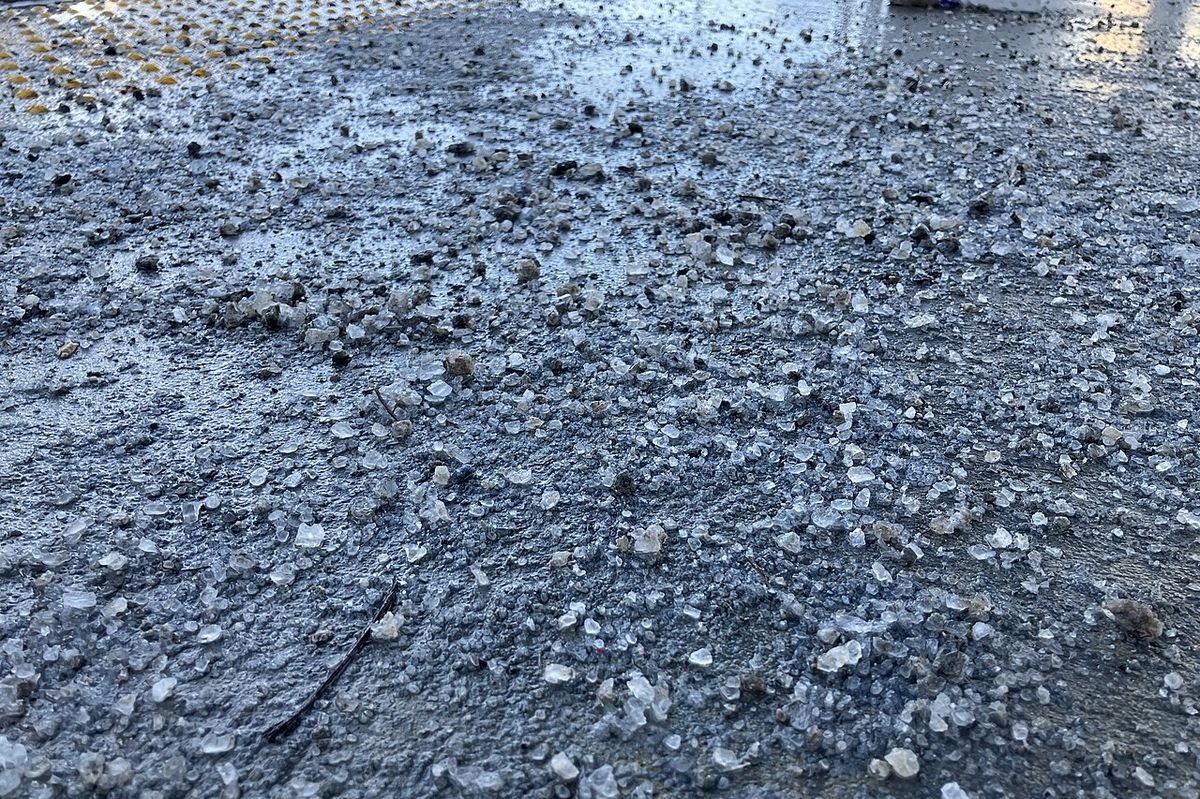
De-icer on a sidewalk (illustrative photo, not the exact product). Photo: dankeck, CC0, via Wikimedia Commons
Pet-friendly ice melt (search results)
Search results. 'Pet friendly' is not regulated: read the ingredient list, store out of reach, and still wipe paws.
Search on AmazonShopping around for the season? See Walmart’s Black Friday deals.
FAQ
Is ice melt toxic to dogs?
It can be. Pet Poison Helpline says most exposures cause stomach upset and skin irritation, but some ingredients and large amounts can be serious, so call your vet or a poison hotline if your dog eats any.
Is pet safe ice melt really safe?
Not entirely. The ASPCA says there are no specific requirements for labeling a de-icer “pet safe,” and a vet quoted by PetMD says no ice melt is entirely pet-safe.
Is road salt bad for dog paws?
It can irritate and dry the pads, and dogs may lick it off. Wiping or rinsing paws after walks is the standard advice from the ASPCA and AKC.
Should I wash my dog’s paws after a walk?
Yes. The ASPCA and AKC recommend wiping or washing paws and drying them thoroughly, including between the toes, to remove salt and chemicals.
Do dogs need booties in snow?
Not every dog does, but the ASPCA says booties can provide even more coverage against salt and ice. The AKC says it may take a little time for dogs to get used to them.
Is ice melt dangerous for cats?
We did not find a cat-specific ice melt guide among the main sources we read. Outdoor cats groom their paws and could swallow residue, so wipe their paws after trips outside and call your vet if you are worried.
Closing thoughts
You cannot control every sidewalk, but you can control what happens at your door. A towel by the entrance, a quick paw check and a bag of ice melt stored out of reach go a long way. And if something is eaten, make the call early.
More from PetKiddies
- Dog winter coats and boots
- Senior dog winter care
- Pet poison control hotline guide
- Heated cat beds for winter
- What to do if your dog ate chocolate
- Sniff walks for dogs
Sources
- ASPCA, “Is It Safe to Use De-Icers Around Your Dog?” (accessed Nov 13, 2026). aspca.org
- ASPCA, “Cold Weather Safety Tips” (accessed Nov 13, 2026). aspca.org
- Pet Poison Helpline, “Is there really a safe ice melt?” (accessed Nov 13, 2026). petpoisonhelpline.com
- AKC, “Protect Your Dog’s Paws from Snow, Ice and Salt” (accessed Nov 13, 2026). akc.org
- PetMD, “6 Things to Know About Pet-Safe Ice Melts” (accessed Nov 13, 2026). petmd.com
- ASPCA Poison Control (accessed Nov 13, 2026). aspca.org
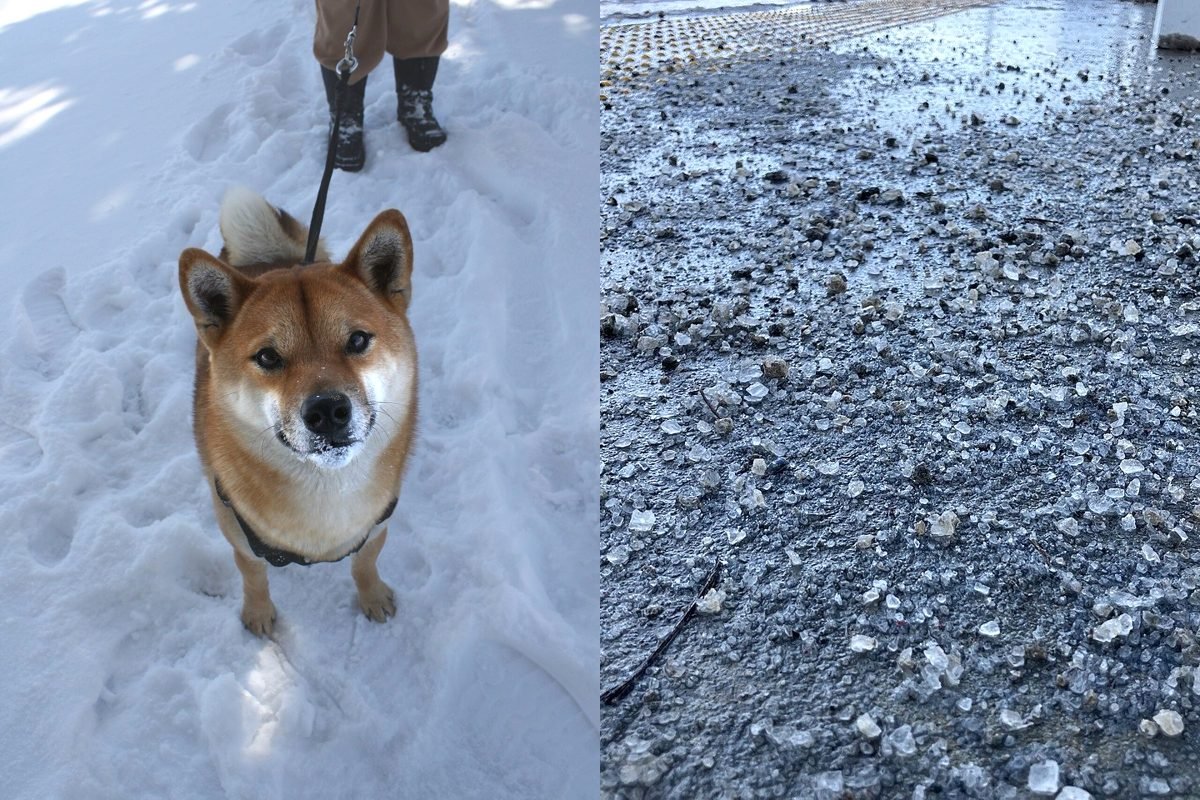
Featured photos: left, Photo: Photos-public-domain.com, Public domain, via Wikimedia Commons (resized); right, Photo: Gogerr, CC BY-SA 4.0, via Wikimedia Commons (resized)