
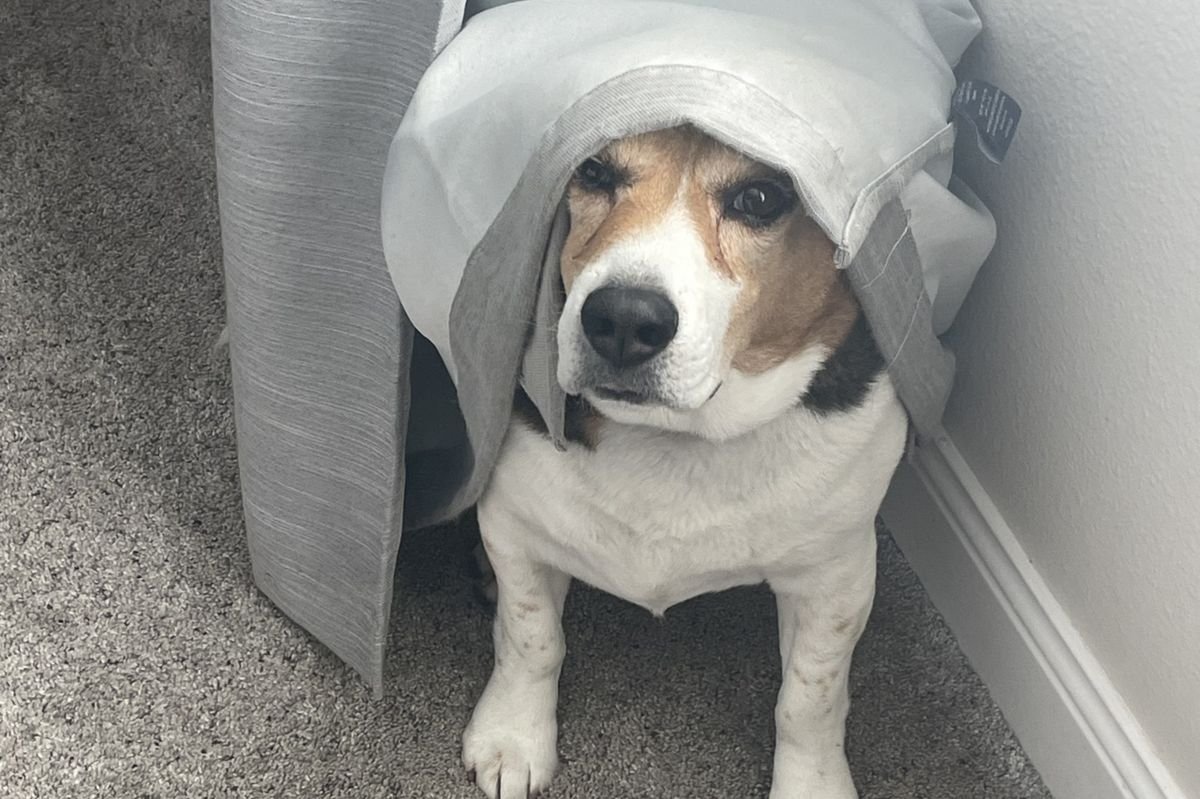
As an Amazon Associate, PetKiddies earns from qualifying purchases. We may also earn from other affiliate links on this page at no extra cost to you.
A quick note: we are not vets, and this is general information, not a substitute for your vet’s advice. This guide is research-based, drawing on AKC, ASPCA, AVMA-based guidance and published veterinary research, and we have not hands-on tested the products mentioned. If your dog’s behavior changes suddenly, or if your dog panics severely or hurts themselves, see your vet.
Last updated: Nov 11, 2026
The holidays can mean a full house, a different routine, a car trip and, on Dec 31, a night of fireworks. Thanksgiving is Thursday, Nov 26, Christmas is Friday, Dec 25, and New Year’s Eve falls on Thursday, Dec 31. That is a lot of change for a dog who already struggles with dog anxiety.
The good news is that most of the plan is simple and cheap: a quiet place, a few house rules for guests, and some prep before the loud nights. This guide covers the signs to watch for, a calm plan for each situation, what the evidence says about calming aids, and when to call a professional.
Quick answer
- Learn your dog’s stress signs. Panting, pacing, lip licking, yawning and whale eye can all be early warnings.
- Give your dog a quiet retreat. An interior room or crate with a familiar bed gives them somewhere to go when the house gets busy.
- Prepare before the noise. Exercise earlier in the day, close curtains and cover the sound with music, TV or white noise.
- Keep ID current. Check tags and microchip details before fireworks, in case your dog bolts.
- Be realistic about calming aids. Wraps, pheromones and chews have mixed or limited evidence and are not a cure for anxiety.
- Talk to your vet early. Ask about options well before Dec 31, not that afternoon. Only a vet can advise on anti-anxiety medication.
Signs your dog is stressed
The AKC lists these as common stress signals: panting, pacing, lip licking, yawning, a tucked tail, ears pinned back, raised hackles, looking away, and “whale eye,” when the whites of the eyes show. The ASPCA also lists trembling, drooling, and chewing, digging or destruction and house soiling when a dog is distressed at being left alone.
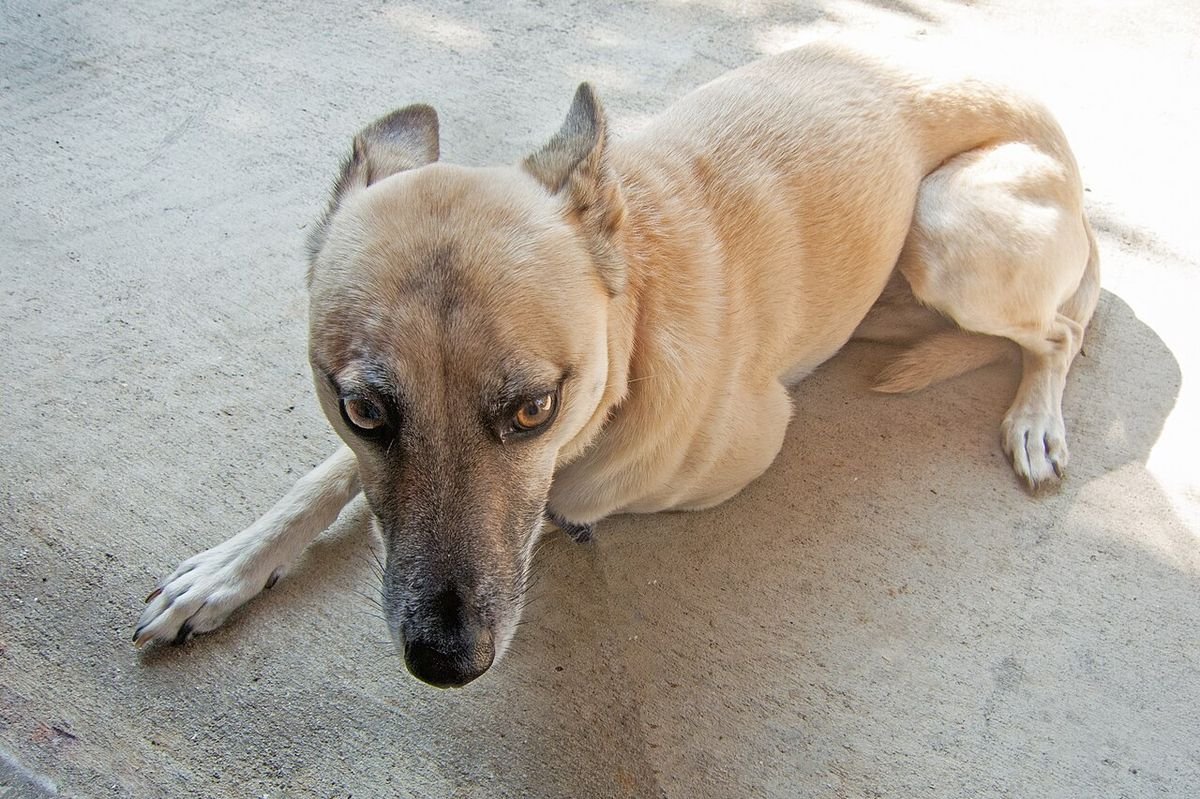
Context matters. A panting dog may simply be hot, and one yawn means little. Look for several signs together, in a situation that is likely to be the cause.
Some of these signs overlap with health problems. The AKC says sudden pacing in a senior dog can point to cognitive decline, and the ASPCA says house soiling can come from medical conditions such as urinary tract infections, so see your vet if something is new or unexplained.
Why the holidays are hard on some dogs
- Noise. The ASPCA notes that loud music, fireworks, poppers and noisemakers can scare pets.
- Guests. Unfamiliar people, coats, bags and a busy door are a lot for a dog who likes things predictable.
- Changed routines. Late meals, shorter walks and visitors can disrupt a dog’s day. This is our observation rather than a study finding.
- Travel and boarding. New places and smells can be unsettling for some dogs.
- Fireworks. Sudden, unpredictable booms are a common trigger for fear in dogs.
A calm plan for guests
- Set up a safe room. The ASPCA suggests a quiet interior room your pet can retreat to. Add a bed or crate, water and a chew or food puzzle, and keep guests out.
- Tell guests the rules. Ask them not to crowd, hug or chase your dog, and to let the dog come to them.
- Do not force greetings. If your dog moves away, let them.
- Use a leash or gate at the door so your dog cannot slip out when people arrive.
- Watch the food and hazards. The ASPCA advises keeping your pet’s diet the same as any other day, and keeping drinks, medications and trash out of reach. See our Thanksgiving foods for dogs and cats guide.
- Keep walks and meals on schedule as much as you can. That is our suggestion, not a research finding.
Travel and boarding
- Pack familiar bedding and a favorite toy, plus the usual food.
- Plan breaks where your dog can get out, drink and settle.
- Never leave a dog in a parked car. The AVMA warns that cars can overheat quickly, even in shade or with windows cracked.
- Update tags and microchip details before you go.
- If your dog will board, ask the facility how it handles anxious dogs, and share your dog’s routine and any known triggers.
Fireworks and loud noises
Before the night
AVMA guidance, as reported by Veterinary Practice News, includes exercise earlier in the day, a safe space in the quietest, most secure room with windows and curtains closed, and white noise, music or TV to muffle the sound. It also says to make sure ID tags are current and microchip details are correct, because frightened pets may try to escape. Start early: the AVMA advice reported by other outlets is that these steps work better before a dog becomes fearful.

During
Stay calm yourself, since the AVMA notes pets watch how you react. Comforting a scared dog is fine: veterinary behaviorist Dr. Melissa Bain has said you cannot reinforce fear by comforting a dog. Toys, treats and food puzzles can keep a dog busy. Skip the scolding. Keep your dog indoors, and leave them at home if you go out to watch fireworks.
After
If fireworks went off at home, the ASPCA says to clean up the area thoroughly before your dog goes back out, because fireworks contain chemicals and heavy metals and some dogs will eat anything.
Calming aids: what the evidence says
| Option | How it’s meant to work | What to know |
|---|---|---|
| Anxiety or pressure wrap | Gentle, steady pressure on the body | ASPCA says a vest “may work in some cases.” The maker’s success figures come from its own customer survey, not a controlled trial. We did not find large controlled studies. |
| Pheromone (DAP) diffuser or collar | Releases a copy of a calming scent | A 2010 systematic review found insufficient evidence for most studies. A later evidence summary rated the evidence as weak overall. |
| Calming chews and supplements | Ingredients meant to ease nerves | We did not find strong evidence in the sources we reviewed. Ask your vet before adding any. |
| White noise or music | Covers sudden outdoor sounds | Listed in the AVMA’s fireworks tips. Low risk and easy to try. |
| Ear muffs or hood | Dulls the sound | We did not find strong evidence. If you try one, introduce it before the night and stop if your dog is bothered. |
| Prescription medication | Prescribed by a vet | Vet only. At least one prescription gel is FDA-approved for noise aversion in dogs. Never give your own or another pet’s medication. |
When to call your vet or a behaviour professional
- Anxiety is severe, ongoing or getting worse.
- Your dog panics, injures themselves or damages things.
- You suspect separation anxiety. The ASPCA advises seeing your vet first to rule out medical causes.
- Behavior changed suddenly, which can have a medical cause.
Your vet can refer you to a board-certified veterinary behaviorist (a DACVB, listed through the American College of Veterinary Behaviorists) or a certified trainer. If you want to discuss medication for fireworks, ask well before Dec 31. The ASPCA notes that if your vet prescribes something, a trial run before the big night is advised.
Picks worth a look
These are product types, not cures. We researched manufacturer and retailer pages, so please check size, contents and availability on the Amazon listing itself before you buy.
An anxiety wrap
A wrap like the ThunderShirt Classic fits snugly around the torso. It may suit dogs who tolerate wearing clothes and are nervous in storms or on busy days. Check the size chart carefully, since reviewers mention sizing as a common issue, and let your dog wear it for short periods at home first.
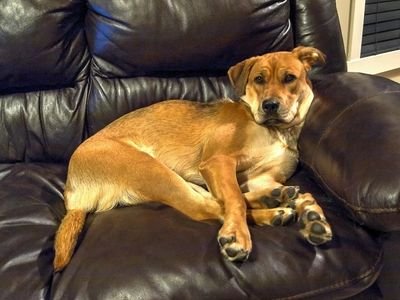
Relaxed dog (illustrative photo, not the exact product). Photo: Michael from Calgary, AB, Canada, CC BY 2.0, via Wikimedia Commons (resized)
ThunderShirt Classic dog anxiety jacket (search results)
Snug-fitting anxiety wrap. Check the size chart on the listing; evidence for wraps is limited, so it may help some dogs and not others.
Search on AmazonA pheromone diffuser
Adaptil’s Calm Home starter kit pairs a plug-in diffuser with a refill. It suits owners who want a low-effort extra and understand the evidence is mixed. Check the room coverage and how long one refill lasts, and plan replacements.
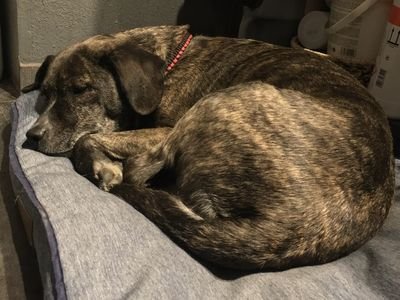
Dog resting at home (illustrative photo, not the exact product). Photo: Pittigrilli, CC BY 4.0, via Wikimedia Commons (resized)
Adaptil Calm Home diffuser starter kit (search results)
Plug-in dog-appeasing pheromone diffuser with a refill. Evidence is mixed; check room coverage and refill timing on the listing.
Search on AmazonA white-noise machine
A machine like the Yogasleep Dohm Classic makes a steady sound that can help cover fireworks and street noise. Yogasleep describes it as fan-based with two speeds and a tone dial. It suits a dog’s den room. Test it in advance, and keep the volume moderate.
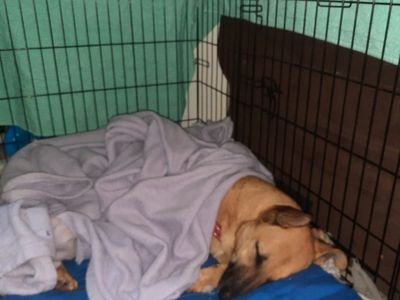
Quiet den (illustrative photo, not the exact product). Photo: Teneab, CC BY 3.0, via Wikimedia Commons (resized)
Yogasleep Dohm Classic white noise machine (search results)
Fan-based white-noise machine with two speeds and a tone dial per Yogasleep. Can help mask outdoor noise; test it before the night.
Search on AmazonFAQ
Is it OK to comfort a scared dog?
Yes. Veterinary behaviorist Dr. Melissa Bain has said you cannot reinforce fear by comforting a dog. Stay calm and let your dog choose how much contact they want.
Do ThunderShirts work?
The ASPCA says an anxiety vest may work in some cases. The maker’s results come from its own survey, and we did not find large controlled studies, so treat it as something that might help one dog and not another.
Can I give my dog Benadryl for fireworks?
Ask your vet. Do not give any medication, including over-the-counter products, without your vet’s advice.
How early should I start preparing for fireworks?
As early as you can. The AVMA advice reported by news outlets is that preparation works better before a dog becomes fearful, so talk to your vet well before Dec 31.
Are cats affected by fireworks too?
Yes. The ASPCA says frightened cats tend to hide, so keep them indoors and check on them.
Should I take my anxious dog to holiday gatherings?
Often it is kinder to leave them at home in their quiet room. The AVMA’s fireworks advice says to leave pets at home when you attend displays, parades or parties.
Bottom line
A calm holiday for an anxious dog comes down to a quiet retreat, a steady routine where you can keep one, and early preparation for the loud nights. Calming products can be part of the plan, but they are extras, not cures.
If your dog is struggling, a vet visit is the best next step.
More from PetKiddies
- Thanksgiving foods for dogs and cats
- Pet poison control hotline guide
- Dog and cat advent calendars
- Senior dog winter care
- Sniff walks for dogs
- Is a puppy a good Christmas present?
Sources
- AKC, “How to Tell If Your Dog Is Stressed” (accessed Nov 11, 2026). akc.org
- ASPCA, “Separation Anxiety” (accessed Nov 11, 2026). aspca.org
- ASPCA, “Here’s What to Do If Your Pet Is Scared of Fireworks” (accessed Nov 11, 2026). aspca.org
- ASPCA, “Holiday Safety Tips” (accessed Nov 11, 2026). aspca.org
- Veterinary Practice News, “Eight tips to reduce fireworks anxiety in pets,” summarizing AVMA advice (accessed Nov 11, 2026). veterinarypracticenews.com
- AVMA, “Pets in vehicles” (accessed Nov 11, 2026). avma.org
- Frank D et al. “Systematic review of the use of pheromones for treatment of undesirable behavior in cats and dogs.” 2010 (accessed Nov 11, 2026). pubmed.ncbi.nlm.nih.gov
- Veterinary Evidence, knowledge summary on dog-appeasing pheromone (accessed Nov 11, 2026). veterinaryevidence.org
- Scientific American, “Some Good (and Bad) Ways to Help a Dog Afraid of Fireworks” (accessed Nov 11, 2026). scientificamerican.com
- FDA Animal Drugs, Sileo labeling (accessed Nov 11, 2026). animaldrugsatfda.fda.gov
- Thundershirt, customer survey press release (accessed Nov 11, 2026). prnewswire.com
- American College of Veterinary Behaviorists directory (accessed Nov 11, 2026). dacvb.org
- Google Trends (US), checked Nov 11, 2026.
Featured photo: Photo: SS2027, CC0, via Wikimedia Commons