
As an Amazon Associate, PetKiddies earns from qualifying purchases. We may also earn from other affiliate links on this page at no extra cost to you.
A quick note: we are not vets, and this is general information, not a substitute for your vet. If your diabetic pet is weak, wobbly, having a seizure, vomiting or will not eat, call your vet or an emergency vet now. We researched veterinary guidance (AAHA, Merck Veterinary Manual, VCA, Cornell and similar) and product listings; we did not test any products.
Last updated: Nov 27, 2026
A diabetes diagnosis can feel overwhelming, but many dogs and cats live with it well. VCA says most dogs with controlled diabetes have a good quality of life, and Cornell says the outlook for cats is good with adequate home management. November is also National Pet Diabetes Month in the US, an awareness campaign promoted by veterinary schools such as Virginia-Maryland, so it is a good time to learn the signs.
Below: the early signs, who is at higher risk, how vets diagnose it, daily care, and emergencies. We also cover holiday routines, when visitors, travel and rich table food can disrupt a diabetic pet’s schedule.
Quick answer
- Watch for the classic signs. VCA lists increased thirst, increased urination, weight loss and increased appetite as the four main symptoms.
- See your vet early. Diagnosis needs tests, so do not wait for your pet to get very sick.
- Dogs usually need lifelong insulin. Merck says canine diabetes is generally lifelong. Cats may go into remission, but not all do.
- Routine matters. Same food, same amounts, same schedule, and never change an insulin dose without your vet.
- Know the emergencies. Weakness, wobbliness or seizures (low sugar) and vomiting, not eating and lethargy (possible ketoacidosis) need a vet right away.
Early signs of diabetes in dogs and cats
The Merck Veterinary Manual describes the main signs as increased appetite, increased drinking and urinating, and weight loss, caused by high blood sugar spilling into the urine. Signs usually build slowly over weeks to months, so they are easy to miss at first.
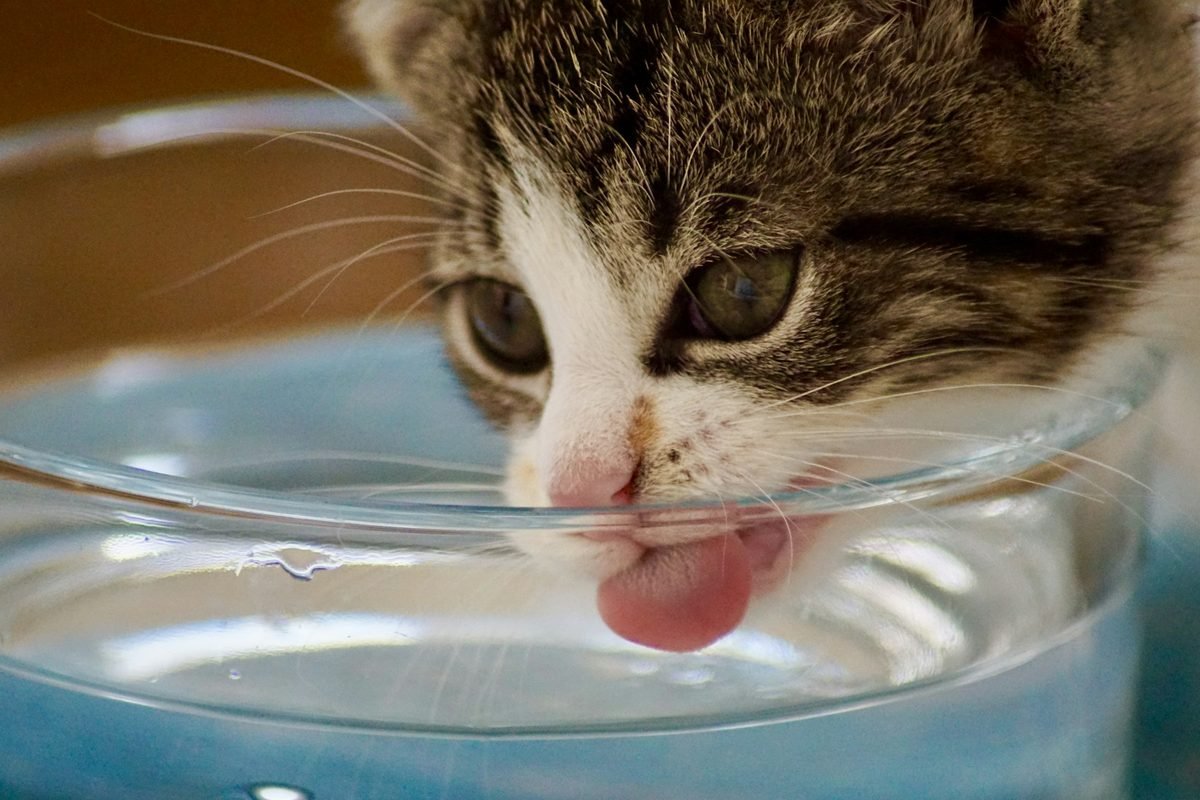
- Drinking and peeing more. Fuller water bowls, more trips outside, or in cats, bigger litter clumps or accidents (see our litter box problems guide).
- Eating more but losing weight. Cornell describes cats with “weight loss despite a good appetite.”
- Lethargy. Merck lists it among the other signs.
- Cataracts in dogs. Cloudy eyes. UC Davis says many diabetic dogs develop cataracts, and Merck lists cataract formation in dogs among the signs.
- Weak back legs in cats. Cornell says that in rare cases of uncontrolled diabetes, nerve damage can make a cat stand or walk with its hocks on or near the ground (a plantigrade stance). Cornell adds that this is not painful and often resolves with treatment.
Many of these signs have other causes, especially in older pets, so a vet visit is the way to find out.
Which pets are at higher risk
Cats. Cornell lists obesity, increasing age, physical inactivity, male sex and steroid (glucocorticoid) use as the most important identified risk factors. It also says obese cats are up to four times more likely to develop diabetes.

Dogs. A large UK study (VetCompass) found higher odds of diabetes in dogs older than 8 and in unspayed (entire) females, though researchers note the sex evidence varies by country. Cornell names breeds such as Samoyeds, miniature schnauzers and poodles as predisposed. Being overweight was linked to diabetes in one case-control study, but the evidence on obesity in dogs is mixed.
Risk is not blame: age and genetics play a part that no owner controls.
How vets diagnose diabetes
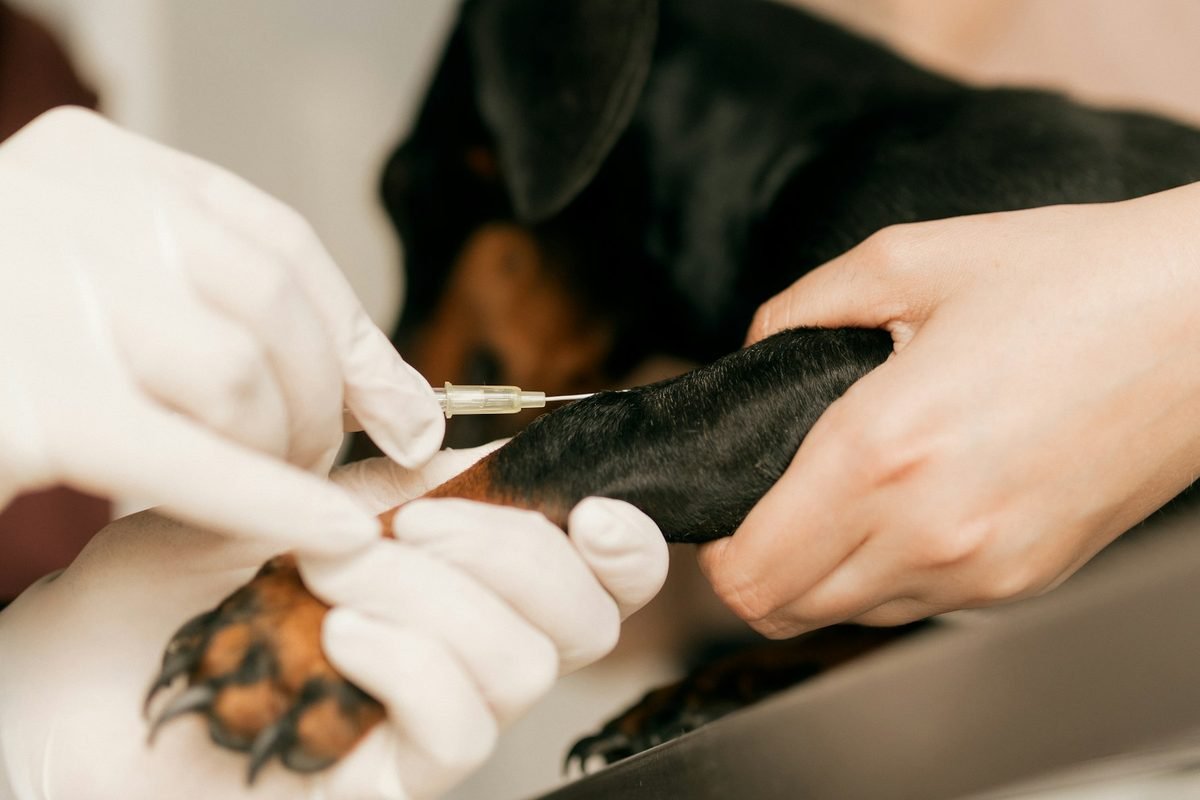
Merck says diagnosis is based on persistent high blood sugar (hyperglycemia) together with sugar in the urine (glucosuria). Your vet will usually run blood and urine tests, and may check for other problems at the same time.
Cats can have a temporary spike from stress at the clinic. Merck notes that a blood test called fructosamine can help tell stress-related high sugar from true diabetes, because fructosamine stays normal in stress-induced cases.
Dogs vs cats: how diabetes differs
| Topic | Dogs | Cats |
|---|---|---|
| Usual type | Needs insulin; Merck says generally lifelong | Often type 2, linked to obesity (VCA) |
| Typical treatment | Insulin injections plus diet; VCA says generally two injections a day | Insulin injections, about every 12 hours per Cornell, plus diet |
| Oral medication option | No FDA-approved oral option that we found | FDA-approved SGLT2 inhibitors for selected cats (vet decision) |
| Remission chance | Generally not expected unless an underlying condition is treated (Merck) | Possible; Cornell says many cats enter remission with early, aggressive treatment |
| Common complication | Cataracts | Nerve damage (neuropathy), rarely a plantigrade stance |
| Diet focus | Same food, same amount, same schedule (VCA) | Low-carbohydrate diet (Cornell) |
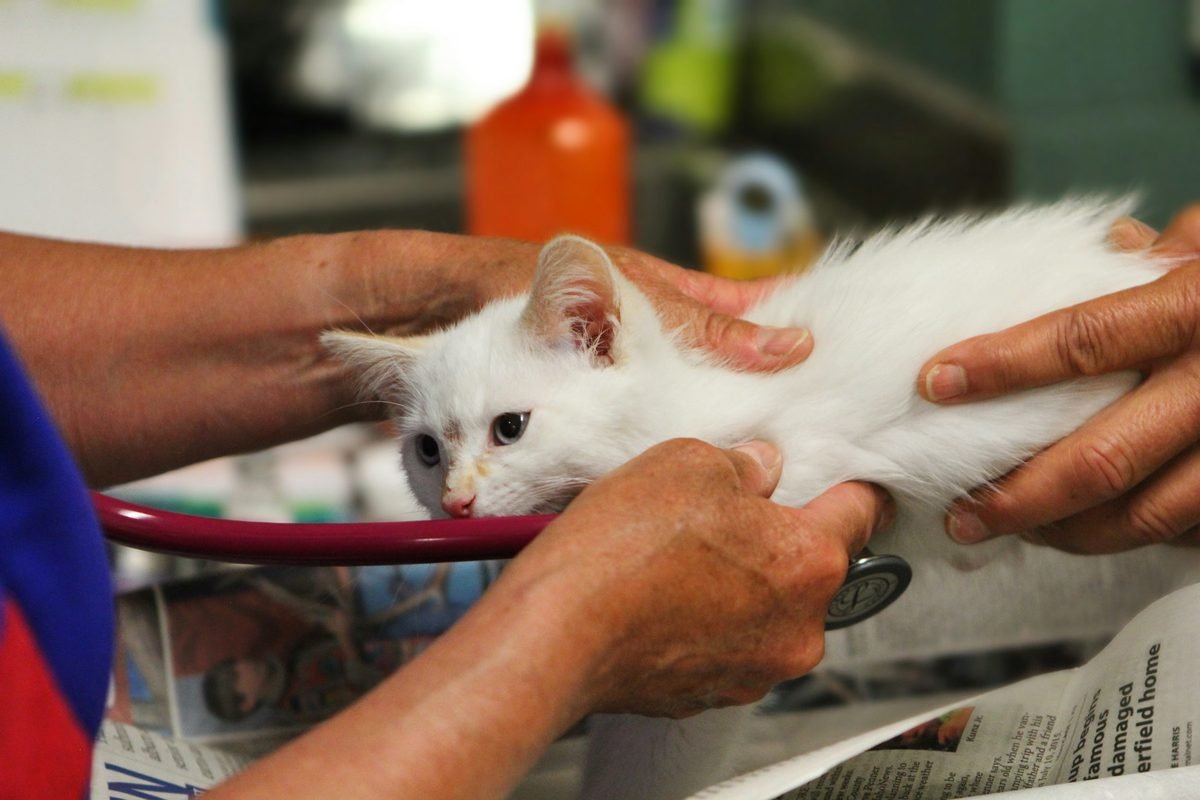
Cornell says a cat not in remission within six months of diagnosis will almost certainly need lifelong insulin, and that remission is not a cure: some cats need insulin again later.
Treatment and daily care at home
Insulin is given by injection under the skin. Your vet chooses the insulin type and dose, and VCA advises owners never to change the dose without talking to the vet first. Cornell says owners who check glucose at home should also not change the dose on their own.
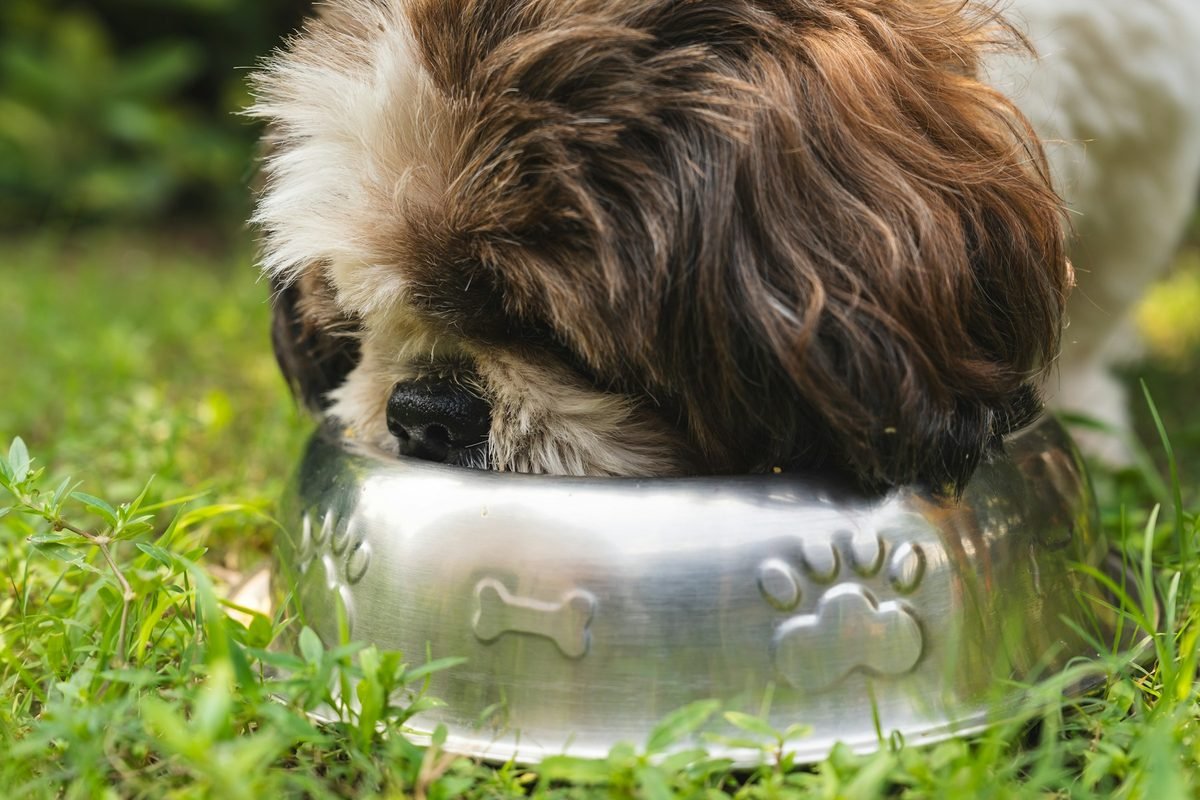
Meals and insulin go together. VCA says diabetic dogs should be fed the same food in the same amount on the same schedule every day. For cats, Cornell says many vets recommend feeding at the time of the injection, and that shifting injection times by 1-2 hours when needed will not adversely affect treatment. Ask your vet what they want for your pet.
- Monitoring. Your vet may ask you to track water intake, weight, appetite and urine checks, and may use glucose curves or home glucose checks. Keep a simple log to bring to appointments.
- Weight and exercise. Ask your vet for a weight target. AAHA’s client material notes that sporadic, strenuous exercise can drop a dog’s blood sugar, so keep activity regular.
- Oral drugs for cats. The FDA approved Bexacat (bexagliflozin) in December 2022 and Senvelgo (velagliflozin) in August 2023. Both are for otherwise healthy cats not previously treated with insulin and carry a warning about diabetic ketoacidosis, so whether one suits a cat is a vet decision.
Treats are a question for your vet, since extra food can upset a steady routine. “Sugar-free” is not a safe shortcut: xylitol can cause a dangerous blood sugar drop in dogs, as we explain in our xylitol emergency guide.
Holiday and travel tips for diabetic pets
- Keep meal and insulin times as close to normal as you can when you travel or host. Write the schedule down.
- Tell house sitters, family and guests exactly what to feed and when, and who to call in an emergency.
- Ask your vet before travel about carrying insulin, supplies and a source of sugar for lows, and follow their storage instructions.
- No table scraps or rich food. VCA notes fatty meals may trigger pancreatitis in dogs; see our Thanksgiving foods guide.
- Find an emergency vet near where you will be staying before you go.
Emergency signs: low and high blood sugar
Low blood sugar (hypoglycemia) can happen with too much insulin or a skipped meal. Cornell lists weakness, lethargy, vomiting, lack of coordination, tremors and seizures. If you suspect a low:

- If your pet is alert and able to eat, Cornell advises offering regular food right away.
- If your pet will not eat or is weak, Cornell and UC Davis advise rubbing a small amount of honey, corn syrup or dextrose gel on the gums. Never force fingers, food or fluids into the mouth of a convulsing or unconscious pet.
- Call your vet or an emergency vet immediately, even if your pet seems to improve.
- Do not give more insulin until your vet tells you to.
High blood sugar can lead to diabetic ketoacidosis (DKA). Veterinary sources describe vomiting, poor appetite, lethargy, weakness and sometimes sweet or acetone-smelling breath. Cornell calls it a medical emergency needing hospital care. If you see these signs, go to a vet the same day.
Helpful gear for diabetic pet care
None of these replaces your vet, who prescribes insulin and any glucose meter. We did not test any of these, and the notes below are general, drawn from search results. Check each listing yourself.
A digital food scale suits owners who want exact, repeatable portions. Listings for kitchen scales commonly show grams and ounces; check the weighing increment and the capacity.

Kitchen scale (illustrative photo, not the exact product). Photo: Katrin Hauf on Unsplash (Unsplash License) (cropped)
Digital kitchen food scales (Amazon search results)
Compare listings for grams/ounces, weighing increment and capacity. Helps keep portions consistent; follow your vet's feeding plan.
Search on AmazonAn insulin travel cooler case suits families who travel with insulin. Listings typically include ice packs and mention TSA rules; check how long cooling is claimed to last and whether it fits your vet’s storage instructions.

Syringe (illustrative photo, not the exact product). Photo: Ian Talmacs on Unsplash (Unsplash License) (cropped)
Insulin travel cooler cases (Amazon search results)
Check claimed cooling time, ice pack and TSA details. Follow your vet's insulin storage instructions.
Search on AmazonA slow-feeder bowl suits dogs that gulp their meals. Check the size, the material and whether the portion your vet prescribes fits, and watch your pet the first few times.

Dog bowl (illustrative photo, not the exact product). Photo: Koa'link on Unsplash (Unsplash License) (cropped)
Slow feeder dog bowls (Amazon search results)
For dogs that gulp food. Check size and material, and that your vet's portion fits; supervise at first.
Search on AmazonFAQ
What are the first signs of diabetes in dogs?
VCA lists increased thirst, increased urination, weight loss and increased appetite as the main symptoms. Cataracts can also develop in diabetic dogs.
Can a diabetic cat go into remission?
Cornell says that with early, aggressive treatment many cats enter diabetic remission, meaning normal blood sugar without insulin injections. It is not a cure, and some cats need insulin again later.
Is there a pill for diabetic cats?
The FDA has approved two oral drugs, Bexacat (2022) and Senvelgo (2023), for otherwise healthy cats not previously treated with insulin. Whether one is right for your cat is a decision for your vet.
Can diabetic dogs eat treats?
Ask your vet, because VCA stresses a steady food routine for diabetic dogs. Do not assume “sugar-free” treats are safe, as xylitol is dangerous for dogs.
Can diabetes in pets be prevented?
Not always, since age and breed play a role. For cats, Cornell says obese cats are up to four times more likely to develop diabetes, so a healthy weight helps.
Can a dog live a good life with diabetes?
VCA says most dogs with controlled diabetes have a good quality of life with few symptoms when treatment and monitoring are consistent. We did not find a sourced life expectancy figure, so ask your vet.
Bottom line
Diabetes in dogs and cats is serious but manageable. Spot the early signs, get the tests, keep the insulin and meal routine steady, and know when to call the vet. Pet insurance may help with ongoing costs; see our pet insurance guide.
More from PetKiddies
- Senior dog care: an honest guide
- Senior dog not eating
- Senior cat environment changes
- Cat litter box problems
- Thanksgiving foods for dogs and cats
- Xylitol and sugar-free candy: a dog emergency
Sources
- Merck Veterinary Manual, “Diabetes Mellitus in Dogs and Cats” (accessed Nov 27, 2026). merckvetmanual.com
- Cornell Feline Health Center, “Feline Diabetes,” updated 2024 (accessed Nov 27, 2026). vet.cornell.edu
- VCA Animal Hospitals, “Diabetes Mellitus in Dogs” and “Diabetes Mellitus in Cats” (accessed Nov 27, 2026). Dogs, Cats
- AAHA, Diabetes Management Guidelines for Dogs and Cats (accessed Nov 27, 2026). aaha.org
- UC Davis School of Veterinary Medicine, diabetes in dogs owner information (accessed Nov 27, 2026). healthtopics.vetmed.ucdavis.edu
- “Diabetes mellitus in dogs attending UK primary-care practices: frequency, risk factors and survival,” Canine Medicine and Genetics, 2020 (via PMC). ncbi.nlm.nih.gov
- FDA, “FDA Approves First Oral Treatment for Cats with Diabetes Mellitus,” Dec 8, 2022, and “Two New Drugs to Treat Diabetes in Cats” (accessed Nov 27, 2026). fda.gov
- Virginia-Maryland College of Veterinary Medicine, “Did you know that November is National Pet Diabetes Month?” (accessed Nov 27, 2026). vth.vetmed.vt.edu
- Amazon.com search results, checked Nov 27, 2026.
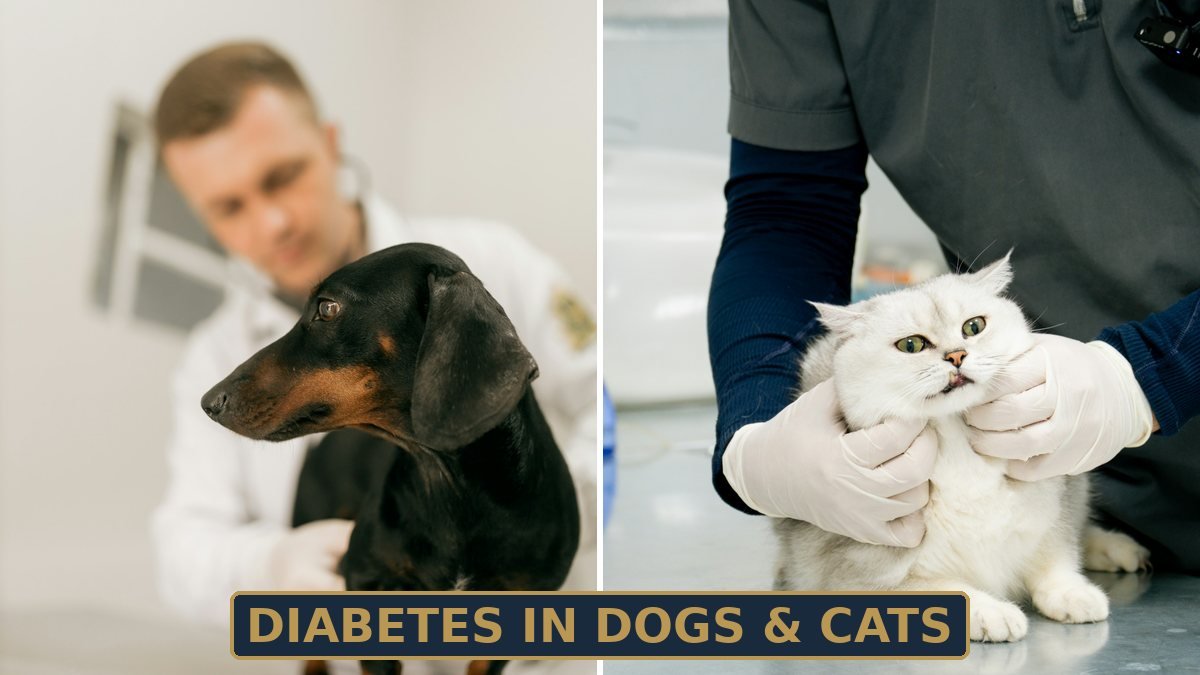
Featured photos: left, Photo: Alexander Mass on Unsplash (Unsplash License) (cropped); right, Photo: Sueda Güzeldere on Unsplash (Unsplash License) (cropped)