
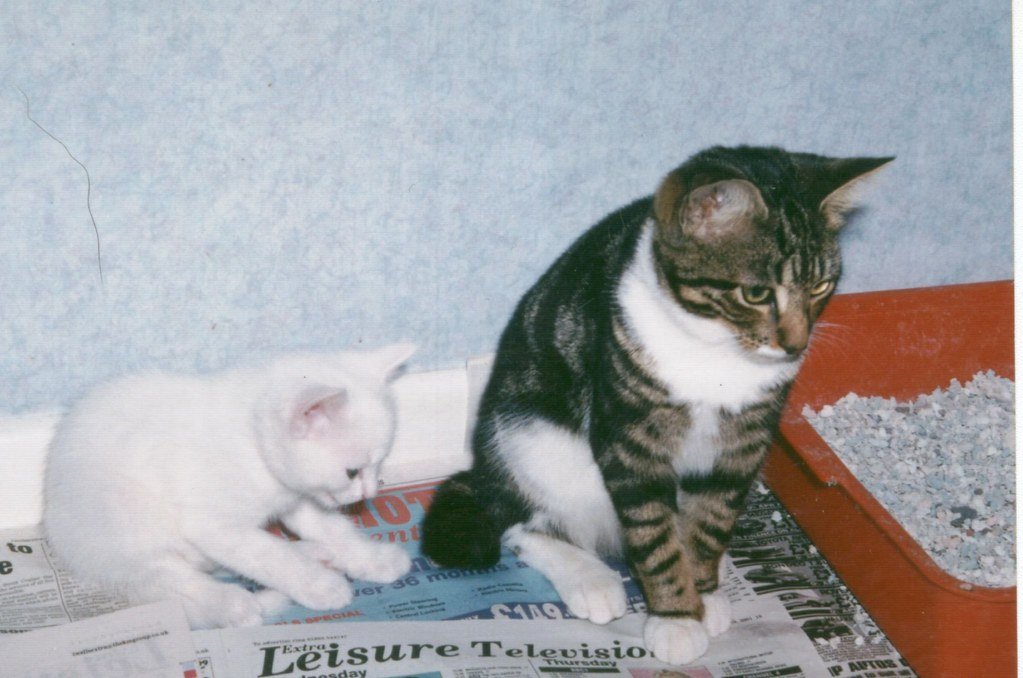
If your cat has suddenly decided the living room rug is the new bathroom, take a breath. You are not the only one scrubbing carpet at 11 p.m., and your cat is not being spiteful. Litter box problems are one of the top reasons cats are surrendered to shelters every year, yet most cases trace back to a handful of fixable causes. House soiling is consistently reported as the most common feline behavioural complaint seen by veterinary behaviour services, ahead of aggression and anxiety — see the AAFP and ISFM guidelines on diagnosing and solving house-soiling behaviour in cats. That tells us two things: it is common, and it almost always has a medical, environmental, or social root worth investigating.
This guide walks through the six reasons cats stop using the litter box, what to try at home, when to call the vet, and which supplies actually help. Whether you are dealing with a kitten who never got the hang of it or a senior cat who has been perfect for 12 years and just started, the framework is the same: rule out medical, then troubleshoot the box.
1. Medical issues that masquerade as behavior
Before you change a single thing about the litter box, a vet visit comes first. Cats with urinary tract infections, bladder stones, kidney disease, arthritis, constipation, or diabetes often start peeing outside the box because they associate pain with the litter. A cat with sore hips may physically struggle to climb into a high-sided box. A cat with a burning bladder may think the box itself caused the pain and look for a softer target.
Ask your vet to check a urine sample and do a physical exam focused on joints and mobility. If your cat is a senior (the 60 percent of this audience we love), bloodwork that includes kidney values and thyroid screening is worth it. Once pain or illness is treated or managed, many litter box problems resolve on their own.
2. The box itself: size, cleanliness, and location
Cats are picky bathroom users, and rightfully so. The general rule is one box per cat, plus one extra, placed on every level of your home. A single box in a basement apartment does not serve a two-story house.
Size and shape
The box should be at least 1.5 times the length of your cat from nose to base of tail. Most commercial boxes are too small for adult cats. Covered boxes trap odor inside (which smells fine to you, awful to the cat) and make nervous cats feel cornered. Open, low-entry boxes are the safest default.
Cleanliness
Scoop daily. Fully dump and wash with mild soap every one to two weeks. Avoid harsh cleaners or ammonia-based products. Cats with a strong sense of smell may refuse a box that smells like bleach to them.
Location
Place boxes in quiet, low-traffic spots with at least two escape routes. A box next to a washing machine that rumbles, or in a hallway where the dog charges past, will quietly push a cat away.
3. Litter type and texture preferences
Most cats prefer unscented, fine-grained clumping clay litter that feels soft under their paws. A sudden switch from one brand to another can trigger avoidance, especially in older cats set in their ways. If you need to change litter, mix the old and new over a week.
Strongly scented litters are marketed to people, not cats. A cat’s nose has roughly twice as many scent receptors as ours, so lavender or “spring fresh” smells can feel overwhelming and drive them out of the box entirely.
4. Stress, anxiety, and household changes
Cats are creatures of routine, and even small changes can tip them over. New baby, new partner, new dog, moved the couch, rearranged the litter box, construction noise outside, a stray cat spraying near a window: any of these can trigger litter box avoidance. Vertical territory, hiding spots, and pheromone diffusers help. So does keeping the routine around food, play, and box placement stable.
If a neighborhood cat is the trigger, block the window view temporarily and clean any marked spots with an enzymatic cleaner (not ammonia-based) so the smell does not loop the behavior.
5. Multi-cat tension and resource guarding
In multi-cat homes, a confident cat may block access to the box, or a timid cat may refuse to walk past another cat to reach it. The solution is almost always more boxes in different rooms, plus vertical space (cat trees, shelves) so each cat has its own lane. Never punish a cat for missing the box. Punishment increases stress and usually makes the problem worse.
6. Senior cat issues: mobility, cognition, and smell
Older cats face a triple hit: arthritis makes climbing harder, cognitive decline (feline dementia) makes them forget where the box is, and a fading sense of smell makes litter cues weaker. Switch to low-entry boxes, add night lights along the path to the box, and place a box on every floor. If your senior cat is leaving small amounts of stool outside the box, cognitive dysfunction is worth raising with your vet.
Products that actually help
| Product | Best for | Price range | Why it works |
|---|---|---|---|
| Modkat XL Open Litter Box | Large cats, multi-cat homes | USD 60 to 80 | Roomy footprint, low entry, easy to scoop, modern look |
| Frisco High Sided Cat Litter Box | Senior cats, tall cats, kittens | USD 20 to 35 | Low-entry front cut keeps joints easy while high sides stop scatter |
| Dr. Elsey’s Ultra Unscented Clumping Clay | All cats, especially picky ones | USD 15 to 25 | Veterinarian recommended, fine texture, no fragrance |
| Feliway Classic Diffuser | Stress-triggered avoidance, multi-cat tension | USD 25 to 45 per refill | Synthetic pheromone that signals safety, plugs into any outlet |
| Nature’s Miracle Enzymatic Cleaner | Cleaning accidents properly | USD 8 to 15 | Breaks down urine proteins so cats do not re-mark the same spot |
| PetSafe ScoopFree Self-Cleaning Box | Busy owners, mobility issues for the human | USD 90 to 130 | Automatic raking keeps the box fresh between scoops |
FAQ
Q: My cat used the box fine for years and just started going on the carpet. What changed?
A: In an adult cat with a sudden change, the first stop is the vet. Urinary tract infections, arthritis, kidney issues, and stress from a household change are the most common triggers in cats over 7. A urine test and a chat about any recent changes at home will usually point to the cause.
Q: How many litter boxes do I really need?
A: The standard rule is one box per cat, plus one extra. Two cats means three boxes. In a multi-story home, put at least one box on each floor, even if that breaks the math a little.
Q: Is it okay to use scented litter?
A: Most cats tolerate it, but a meaningful minority of cats avoid heavily scented litters. If your cat is having issues, switch to unscented clumping clay for two weeks and see if things improve.
Q: Will a covered litter box help with odor in my house?
A: Covered boxes help with smell for people, but they trap odor inside for the cat and can feel cramped. If odor is your concern, scoop more often or switch to a self-cleaning box rather than adding a lid.
Q: When should I worry that this is a behavior problem versus medical?
A: Always start with medical. If the vet gives your cat a clean bill of health, the issue is environmental, social, or stress-related, and those are all fixable. Most litter box problems have a real, identifiable cause, and very few cats are “just being bad.”
Bottom line
Cats who stop using the litter box are almost always telling you something specific. That something might be a bladder infection, a box that is too small, a litter that smells too strong, a dog who guards the hallway, or hips that hurt. Start with a vet visit, then work through box setup, litter type, location, and household stress one variable at a time. Most cats are back on track within a few weeks once the underlying cause is identified. You and your cat both deserve a clean floor and a calm home.