
As an Amazon Associate, PetKiddies earns from qualifying purchases. We may also earn from other affiliate links on this page at no extra cost to you.
A quick note: we are not vets, and this is general information, not a substitute for advice from your own vet. This guide comes from our research into airline and government guidance, crash-test programs and product listings. We have not hands-on tested any carriers, harnesses or travel gear mentioned here.
Last updated: Nov 21, 2026
Thanksgiving is Thursday, Nov 26, and Christmas is not far behind. Roads, airports, kennels and sitters will all be busy. Rules change by state and airline, so confirm the details before you go.
Quick answer
- Decide early. Weigh your pet’s temperament, age, health and destination before choosing to take, board or hire a sitter.
- Update ID first. The ASPCA advises a collar tag plus a microchip.
- Check the rules. The destination state and your airline each set their own, and either can ask for a health certificate.
- Restrain pets in the car. A secured crate or carrier is safest.
- Ask your vet before any sedation. The ASPCA says tranquilizing a pet for travel is generally not recommended.
- Book early. Boarding, sitters and in-cabin pet spots fill up around the holidays.
Take them, board them, or hire a sitter?
There is no single right answer. The table is a general guide, and your vet can help if your pet has health needs.
| Option | Often suits | Watch out for |
|---|---|---|
| Road trip with you | Dogs who ride calmly; cats who tolerate a carrier | Safe restraint, regular stops and a pet-friendly stay |
| Flying with you | Small pets that fit under the seat, on airlines that allow them | Airline limits, carrier size rules and paperwork; the ASPCA says to avoid air travel unless your pet can ride under the seat |
| Boarding facility | Social, confident pets, or pets with medical needs if a vet clinic offers boarding | Vaccine requirements, early booking, group settings that can stress shy pets |
| In-home pet sitter | Pets who prefer familiar surroundings, including many cats, and older or shy pets | Vetting the sitter, a clear care plan, and secure doors |
Many pet-care sources suggest cats often cope better at home with a sitter, though it depends on the cat.
Before you go: the checklist
- ID and microchip. Make sure the tag and microchip registration show your current contact details, as the ASPCA and CDC both advise.
- A recent photo of your pet on your phone, in case you are separated.
- Vaccine records. The ASPCA suggests carrying the rabies record when crossing state lines, because some states ask for proof.
- Health certificate rules. APHIS says the destination state sets the rules, which may include a health certificate, updated vaccines, tests or treatments. The CDC notes that some airlines require one too.
- Food, medication and gear. Pack regular food and any medication, plus extra for delays, along with a leash, water and bowls, waste bags, bedding, a carrier or crate, and your vet’s number.
- International travel. If you are bringing a dog into the US from abroad, the CDC has entry requirements for dogs. We do not cover them here.
Road trips with a dog or cat
The ASPCA says hard-sided carriers with ventilation holes, secured so they do not slide in a sudden stop, are the safest option. It advises against wire or collapsible crates, which can collapse or break open in an accident.
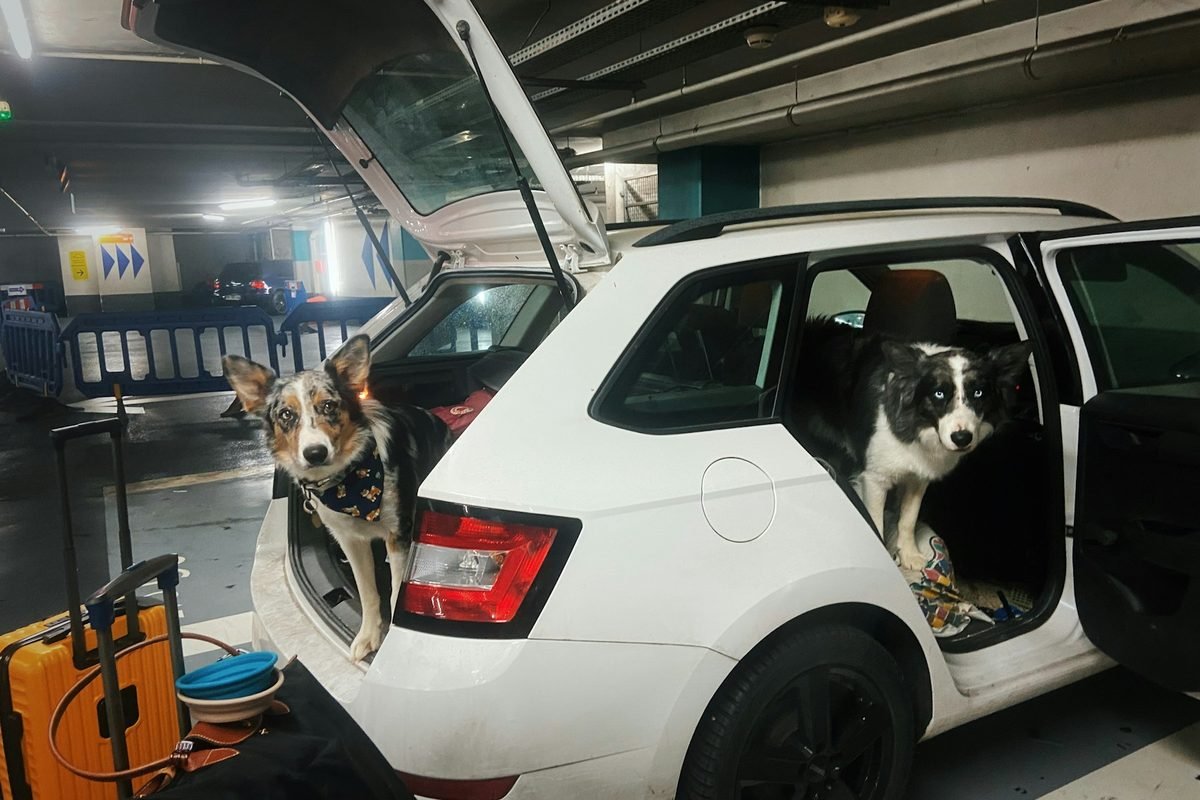
If you skip the crate, the ASPCA says to keep your pet in the back seat in a harness attached to the seat buckle, never with their head out the window. Airbags are not designed with pets in mind, so a pet in the passenger seat could be seriously injured in a crash.
The Center for Pet Safety (CPS) runs an independent crash-test certification program. When we checked on Nov 21, 2026, its Certified Products list included the Sleepypod Clickit Sport and Sleepypod Clickit Range, plus carriers from Sleepypod and PawsInCar.
A few more habits help:
- Cats stay in a carrier. The CDC says pets roaming the car can be dangerous.
- Make frequent stops. The CDC advises frequent stops so dogs can go to the bathroom and stretch. We found no source that sets an exact interval.
- Never leave a pet alone in a parked car. The ASPCA says the temperature can become dangerous quickly, cracking a window is not enough, and cold weather can cause hypothermia too.
- Winter roads. Salt and de-icer can bother paws, so see our guide to protecting dog paws from ice melt.
Flying with a pet over the holidays
Airline rules differ on in-cabin pets, fees, carrier size, age limits and breed restrictions, so check your airline’s pet page before you book. Delta, for example, says its in-cabin pet spots are first-come, first-served with a per-flight limit, and recommends a soft-sided carrier no larger than 18 x 11 x 11 inches. Your airline’s limits may differ.
At the airport, TSA says small pets are allowed through the checkpoint. You take your pet out of the carrier and put the empty carrier through the X-ray machine, keeping control of your pet. Carriers also get a visual or physical inspection.
Sedation deserves a vet conversation. The ASPCA says tranquilizing a pet is generally not recommended because it could hamper their breathing.
The ASPCA suggests a health certificate dated within 10 days of departure, but your airline sets its own timing.
Boarding and pet sitters
PetSmart’s guide suggests booking about four to six weeks ahead for Thanksgiving and six to eight weeks for Christmas and New Year’s, so call now if you have not booked. Ask about holiday pickup and drop-off hours too.
Vaccine rules vary by facility. In the policies we reviewed, dogs commonly need rabies, a distemper combination (DHPP) and Bordetella (kennel cough), and some also ask for canine influenza. For cats, rabies and FVRCP are commonly required. Some want shots given a set number of days before the stay.
Before you leave:
- Tour the facility or meet the sitter, and leave written care instructions.
- Leave your vet’s details and an emergency contact who is not traveling with you.
- Keep the pet poison control hotline number where the sitter can find it.
Picks worth a look
We could not load Amazon product pages while researching, so we link to search results rather than single listings. Check each listing’s specs and size guide before you buy.
A crash-tested car harness suits dogs who ride in the back seat when a crate will not fit. Sleepypod’s own site says its harnesses and carriers should not be used with non-Sleepypod accessories.
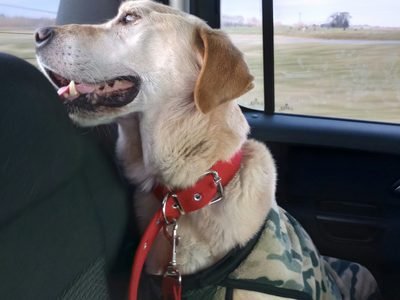
Dog in a harness in the back seat (illustrative photo, not the exact product). Photo: valentina lopez on Unsplash (Unsplash License) (cropped)
Crash-tested dog car harnesses (Amazon search results)
Search results. Sleepypod Clickit Sport is on the CPS certified list; check the weight range and fit on the listing.
Search on AmazonA soft-sided airline-style carrier suits a cat or small dog flying in the cabin. Check its dimensions and weight limit against your airline’s under-seat size. A listing is not a guarantee that your airline will accept it.

Cat in a carrier (illustrative photo, not the exact product). Photo: Oles Borys on Unsplash (Unsplash License) (cropped)
Airline-style pet carriers (Amazon search results)
Search results. Compare each listing's size and weight limit with your airline's under-seat rules.
Search on AmazonA back-seat cover or hammock keeps fur and mud off the seats. It is not a restraint, so you still need a harness or crate. Check how it attaches and whether it leaves seat belt buckles accessible.

Dog in a back seat hammock (illustrative photo, not the exact product). Photo: Marina Zvada on Unsplash (Unsplash License) (cropped)
Dog back seat covers and hammocks (Amazon search results)
Search results. A seat cover is not a restraint; you still need a harness or secured crate.
Search on AmazonAt your holiday destination
New houses and visiting guests can overwhelm a pet. Set up a quiet room or crate with water and bedding, keep exterior doors closed, and keep ID tags on.
Holiday meals bring their own risks, so read our guide to Thanksgiving foods for dogs and cats. If noise and crowds make your dog uneasy, our holiday dog anxiety guide has calming ideas. If your pet eats something questionable, call your vet or ASPCA Animal Poison Control at (888) 426-4435.
FAQ
Do I need a health certificate to drive my dog to another state?
It depends. APHIS says the destination state sets the rules, so check them.
Can my dog sit in the front seat?
The ASPCA says to keep pets in the back seat, because airbags are not designed with pets in mind.
Should I sedate my pet for a flight?
The ASPCA says it is generally not recommended. Ask your vet about alternatives.
What vaccines do boarding kennels require?
Commonly rabies, DHPP and Bordetella for dogs, and rabies and FVRCP for cats. Ask your facility for its list.
How often should I stop on a road trip with a dog?
The CDC advises frequent stops, but we found no official interval.
Is it better to board a cat or leave it at home with a sitter?
Many pet-care sources suggest cats often do better at home, but it depends on the cat.
Bottom line
Start with ID, records and bookings, then pick the option that suits your pet.
More from PetKiddies
- Thanksgiving foods for dogs and cats
- Dog anxiety over the holidays
- Pet poison control hotline
- Dog paws and ice melt in winter
- Best dog harnesses 2026
Sources
- ASPCA, “Traveling With Pets? Follow These Expert Dos and Don’ts to Keep Them Safe” (accessed Nov 21, 2026). aspca.org
- ASPCA, “Travel Safety Tips” (accessed Nov 21, 2026). aspca.org
- ASPCA, “Road Trip Tips for You and Your Pet” (accessed Nov 21, 2026). aspca.org
- CDC, “Pet Travel Safety” (accessed Nov 21, 2026). cdc.gov
- CDC, “Bringing an Animal into the US” (accessed Nov 21, 2026). cdc.gov
- USDA APHIS, “Take a Pet From One U.S. State or Territory to Another (Interstate)” (accessed Nov 21, 2026). aphis.usda.gov
- TSA, “Small Pets” (accessed Nov 21, 2026). tsa.gov
- Center for Pet Safety, “CPS Certified Products” (accessed Nov 21, 2026). centerforpetsafety.org
- Delta Air Lines, “Pet Travel” (accessed Nov 21, 2026). delta.com
- PetSmart, “Pet Boarding Over the Holidays” (accessed Nov 21, 2026). petsmart.com
- VCA Hospitals, boarding policies (via search summary, Nov 21, 2026). vcahospitals.com
- PetPlace, “The Pros and Cons of Kenneling (Boarding) vs. Getting a Pet Sitter for Your Cat” (via search summary, Nov 21, 2026). petplace.com
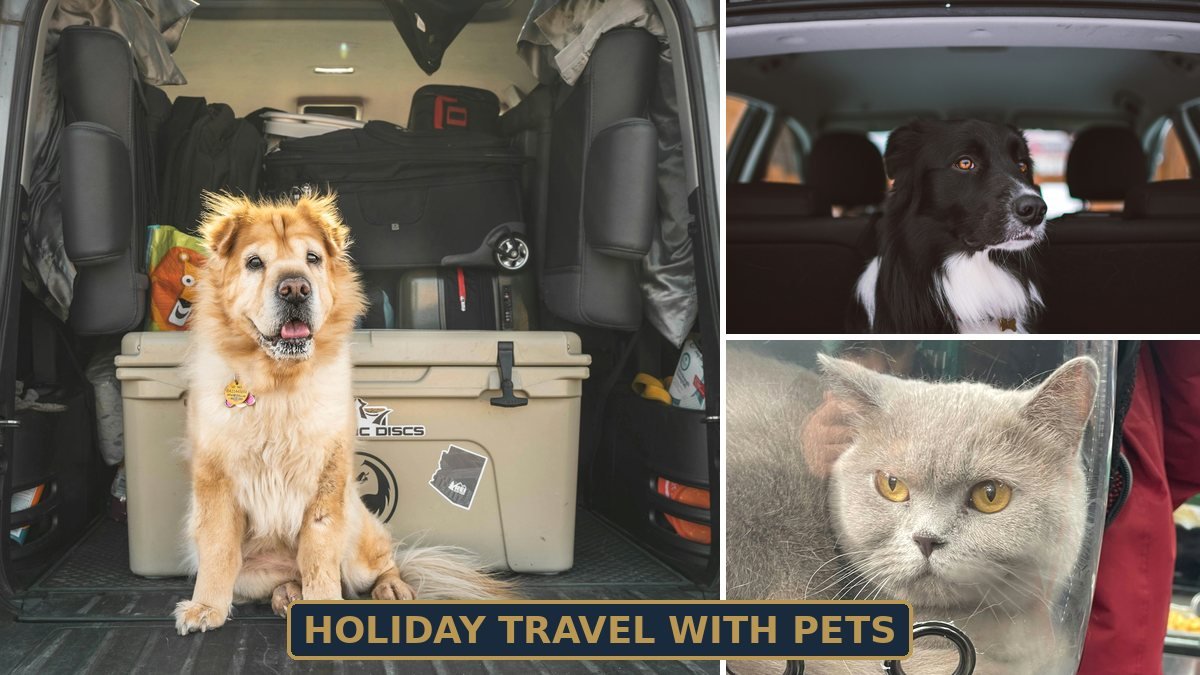
Featured photos: left, Photo: Jimmy Conover on Unsplash (Unsplash License) (cropped); top right, Photo: Tadeusz Lakota on Unsplash (Unsplash License) (cropped); bottom right, Photo: RTRT on Unsplash (Unsplash License) (cropped)