
As an Amazon Associate, PetKiddies earns from qualifying purchases. We may earn a commission from links on this page at no extra cost to you.
A quick note: we are not vets, and we have not hands-on tested the products below. Our picks are research-based – product listings, owner reviews and guidance from veterinary sources. If your cat has a new or strong smell, please talk to your vet.
Last updated: Oct 22, 2026
If you caught this week’s viral debate on X about whether cats smell, you have seen both camps: people who say pets smell like animals, and cat owners who insist their cat smells like almost nothing. The short answer to “why does my cat smell?”: a healthy, well-groomed cat usually has very little body odor. A new or strong smell is often a clue – from the mouth, ears, skin, rear end, coat or litter box – and is often worth a vet check.
Below: what is normal, a smell-by-smell guide, home fixes, a few research-based products and the red flags that mean it is time to call the vet.
Do Healthy Cats Smell?
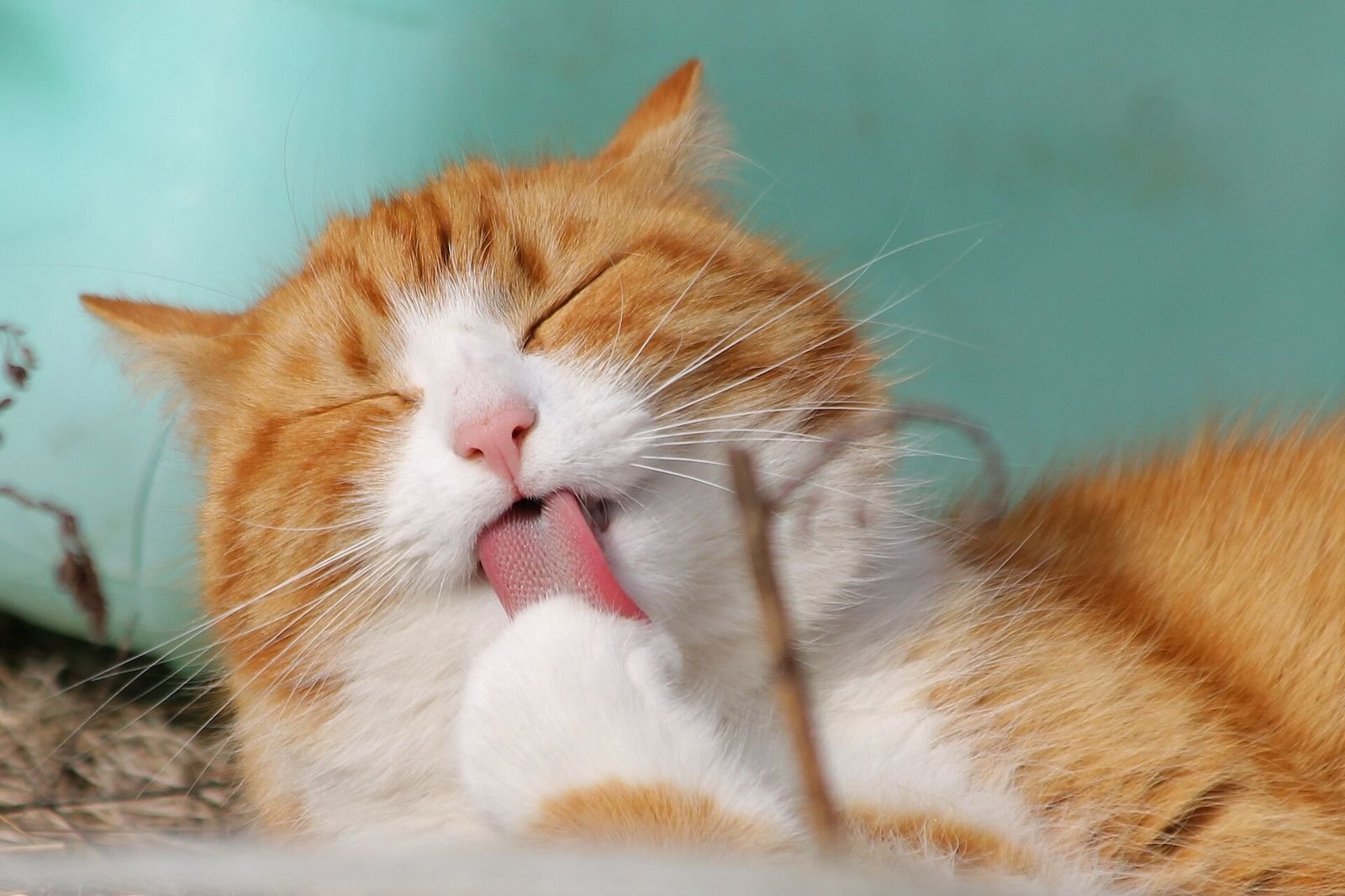
Mostly, no. Cats spend a big chunk of their day grooming, and that rough tongue does a good job of keeping the coat clean. A healthy indoor cat with good litter habits tends to smell of, well, not much – which is why many owners push back when people say cats “smell like animals.”
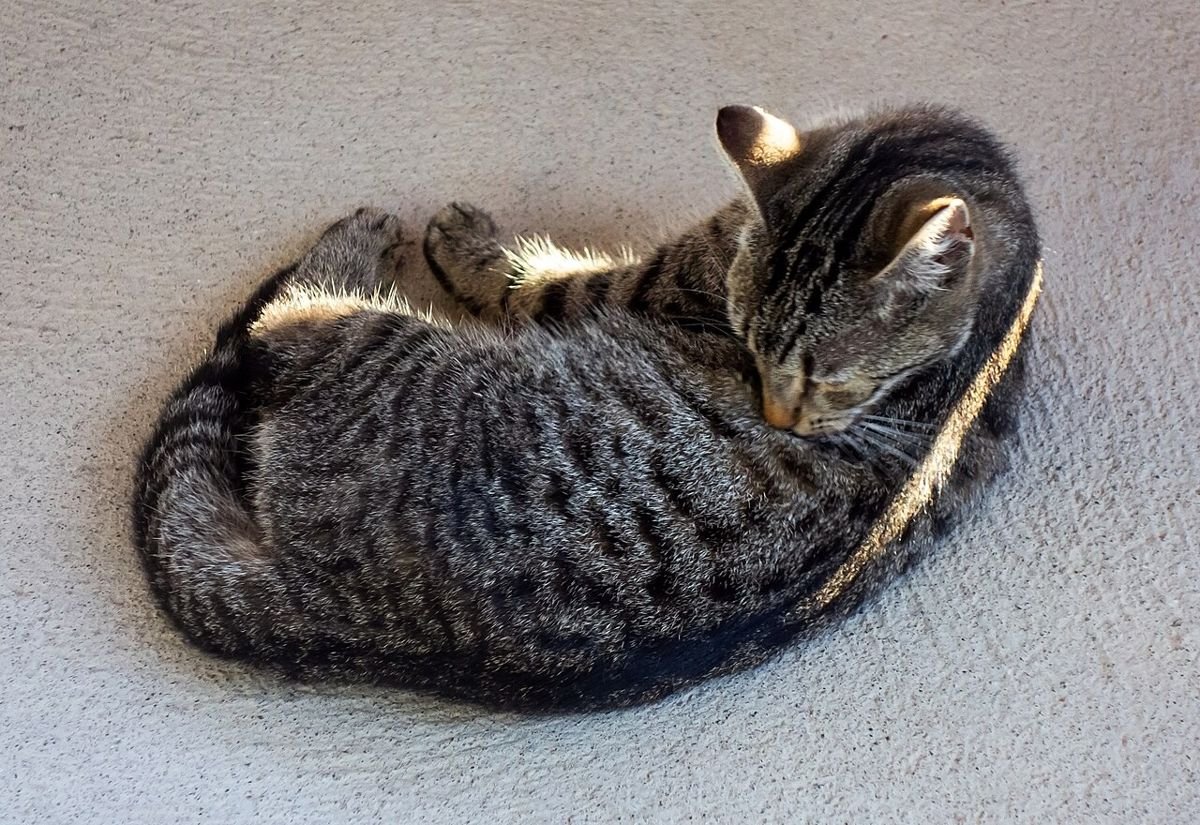
The catch is that grooming only works if your cat can do it. Overweight cats may not reach their back end, and PetMD notes that arthritis in the spine and hips can make grooming painful. Dental pain can put a cat off grooming too, and PetMD lists kidney disease, thyroid disorders and diabetes as possible causes of decreased grooming. A cat that suddenly looks greasy, matted or unkempt – and starts to smell – is often telling you something is going on underneath.
A Smell-by-Smell Guide: What That Odor Could Mean
Use this table as a starting point, not a diagnosis. Many of these problems look and smell alike, and only a vet exam can sort them out.
| Smell | Where | Possible causes | How urgent |
|---|---|---|---|
| Bad, rotten breath | Mouth | Dental disease, gum inflammation, tooth resorption, something stuck in the mouth | Book a vet visit soon |
| Ammonia or urine-like breath | Mouth | Kidney disease | See the vet promptly, especially with weight loss or extra thirst |
| Sweet or fruity breath (like nail polish remover) | Mouth | Diabetes; diabetic ketoacidosis (DKA) | Urgent – same day, especially if your cat is vomiting or lethargic |
| Foul, dark, gooey ear gunk | Ears | Ear mites, outer ear infection | Vet visit soon |
| Fishy or very pungent rear end | Under the tail | Anal sac impaction or infection (a brief whiff when a cat is scared can be normal) | Vet soon; same day if there is swelling or pus |
| Poop smell, feces stuck to fur | Rear end, back legs | Diarrhea, long hair, obesity or arthritis making cleanup hard | Vet visit if diarrhea lasts or the cat seems unwell |
| Urine smell on the cat | Coat, back legs | Urinary problems, incontinence, missing the box | Vet visit; emergency if straining with little or no urine |
| Rotten, pus-like smell from a lump or wound | Skin | Abscess, often from a bite (common in outdoor cats) | Vet soon – usually same or next day |
Mouth Odors: The Most Common Culprit
If the smell hits you when your cat yawns, start with the mouth. Dental disease is very common in cats: the Cornell Feline Health Center says studies report that between 50 and 90 percent of cats older than four have some form of dental disease. Cornell also calls tooth resorption the most common cause of tooth loss in cats, with somewhere between 30 and 70 percent of cats showing some sign of it. Bad breath, drooling and suddenly refusing food are all signs that something hurts.
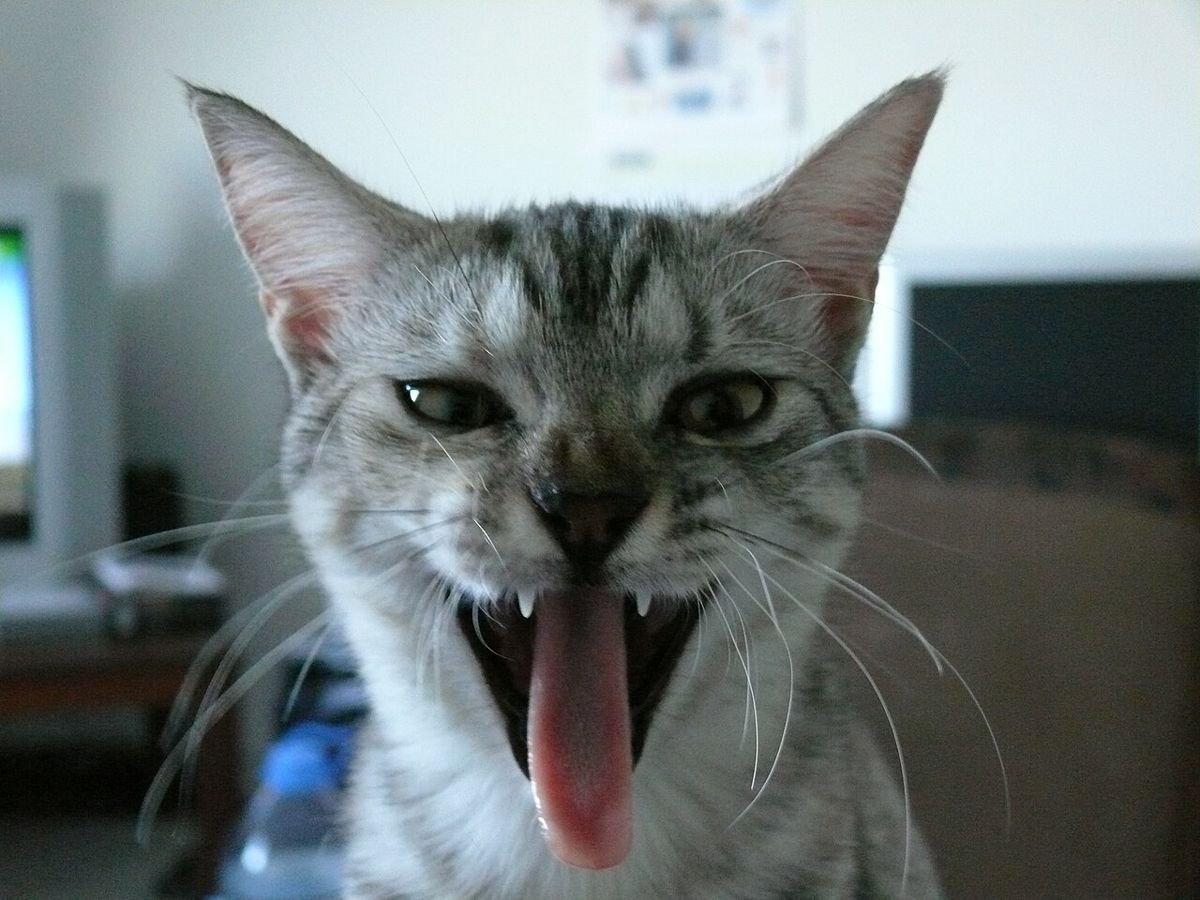
Breath can also hint at problems outside the mouth. The UK vet charity PDSA notes that kidney disease can make breath smell like ammonia, and diabetes can make it smell sweet, a bit like pear drops or nail polish remover. PetMD lists a sweet, fruity breath smell as one possible sign of diabetic ketoacidosis, a life-threatening complication that needs emergency care. As PDSA puts it, bad breath is not normal, even in an older cat.
What helps at home
Cornell says regular tooth brushing is the best way to prevent gingivitis in cats. Use a pet toothpaste, never a human one – Cornell warns that human products can be toxic to cats. Start slowly, a few seconds at a time. Our dog dental care guide covers brushing basics that work for cats too.
For treats, water additives and diets, check the Veterinary Oral Health Council’s accepted products list, which includes several cat options. These help with plaque and tartar but do not fix existing disease – if the breath is already bad, start with a vet exam.
Ears, Skin and Rear-End Odors
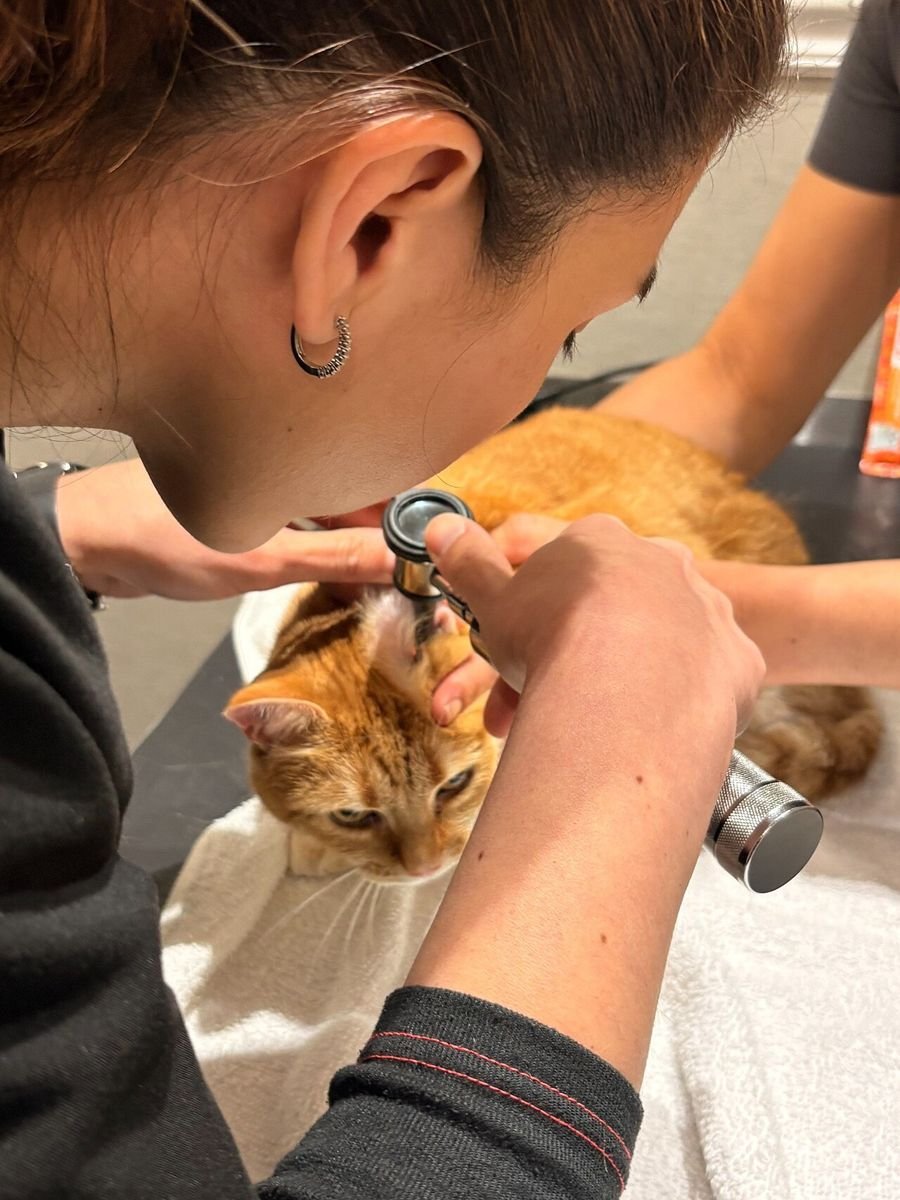
Ears are an easy place to check. Cornell describes ear mites as causing “a dark, gooey, foul-smelling accumulation of wax and mite debris,” along with constant scratching and head shaking. Mites are very contagious, and an ear infection can look similar, so let your vet confirm what it is before treating. Fleas cause itching and scratching that irritates skin, so keep up with prevention (see our flea and tick prevention guide). A swollen, painful lump that smells rotten may be an abscess: VCA Animal Hospitals notes abscesses can rupture and discharge a foul-smelling thick liquid, often with a fever. Bite wounds from fights are a common cause, so outdoor cats get more of them.
Under the tail, cats have two small anal sacs filled with strong-smelling fluid. A brief whiff when a cat is startled can be normal, but VCA says scooting, licking at the rear or tail, and a hot, painful swelling beside the anus point to anal sac disease, which is painful and needs a vet. Long-haired cats can also get poop caught in their “britches” – ask your vet or a groomer about a sanitary trim.
Should you bathe a smelly cat?
Most cats rarely need a full bath, and many find it very stressful. For small messes, a damp cloth or a fragrance-free pet wipe is usually enough. If a cat needs frequent cleanups because it cannot groom itself, ask your vet about pain or weight.
One firm rule: never mask a cat’s smell with essential oils or perfume. According to Pet Poison Helpline material on VCA Animal Hospitals, many essential oils, including tea tree, citrus, cinnamon, pennyroyal and wintergreen, are poisonous to cats, and both swallowing them and skin exposure can be toxic. Cats are especially vulnerable because they have fewer of some liver enzymes needed to break these compounds down. If your cat is exposed, call your vet or Pet Poison Helpline (1-800-213-6680) right away.
When the Smell Is the Litter Box (or Urine)
Often the “cat smell” in a home is really the litter box. The basics: scoop at least once a day, empty and wash the box regularly, and consider an unscented clumping litter so you are removing odor rather than covering it up. A common vet guideline is one box per cat plus one extra, placed in quiet, easy-to-reach spots. Our best cat litter guide compares options if you want to switch.
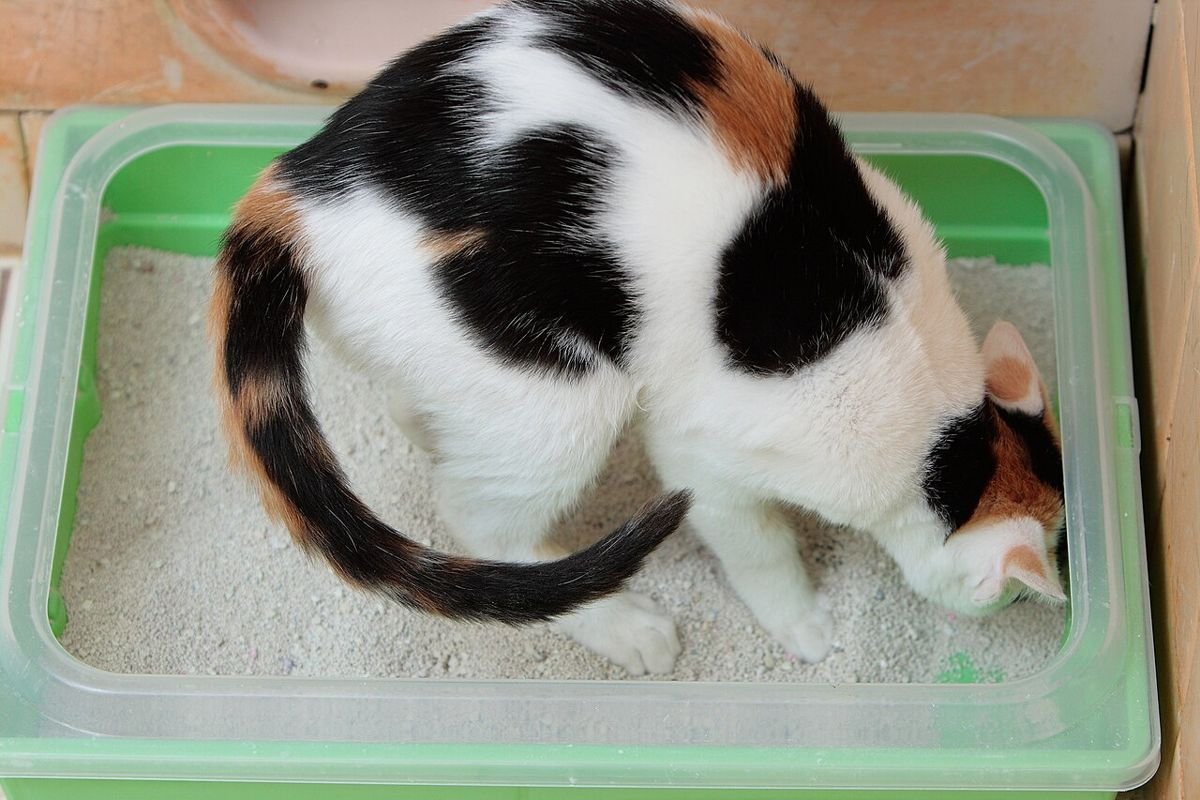
For accidents, use an enzyme cleaner made for pet urine. PetMD advises avoiding ammonia-based cleaners; because urine breaks down into ammonia, they may leave a spot smelling like a toilet to your cat and invite repeat accidents. An air purifier can help with lingering airborne odor, but it will not fix the source, so clean first.
When peeing problems are a medical issue
A cat that suddenly pees outside the box, keeps visiting it or strains to urinate may have a medical problem, not a behavior problem. The Cornell Feline Health Center says male cats are at higher risk of a urethral obstruction, calls it an absolute emergency, and warns the time from complete blockage to death may be less than 24 to 48 hours. If your cat is straining and producing little or no urine, go to a vet or emergency clinic now. For non-urgent box issues, our cat litter box problems guide walks through common causes.
Senior Cats and Smell
Older cats are more likely to start smelling. Arthritis makes grooming and climbing into a high-sided box painful, so seniors may miss the box or get urine or feces on their fur. Easy fixes include a low-entry litter box, gentle brushing and help cleaning the rear end. Our guide to senior cat environment changes has more ideas.
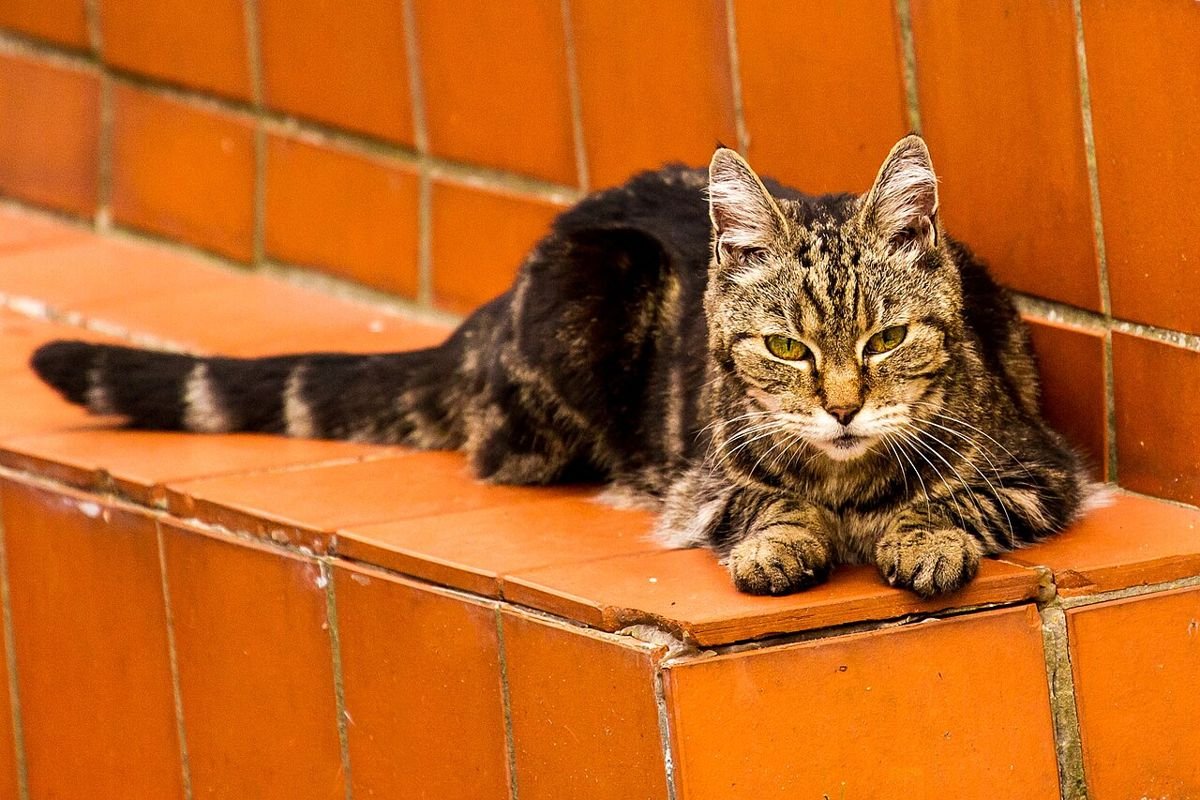
At the same time, a sudden smell change in an older cat deserves a vet visit rather than a guess. Ammonia breath, increased thirst, weight loss and a messy coat can point to conditions such as kidney disease or diabetes, and it is worth asking your vet how often your senior should be seen.
Products That Can Help (Research-Based Picks)
These picks are based on product listings, owner reviews and, where relevant, the VOHC list. None of them replaces a vet visit if the smell is new or strong. With Black Friday coming, our Black Friday and Cyber Monday pet deals guide may be worth bookmarking.
Enzyme cleaner for urine: Rocco & Roxie Stain & Odor Eliminator
Rocco & Roxie Enzyme Stain & Odor Eliminator is a bio-enzymatic spray sold for pet urine, feces and vomit on carpets, floors, furniture, bedding and litter boxes, and it was the top seller in Amazon’s cat stain remover category when we checked (Oct 22, 2026). It suits anyone dealing with accidents or re-marking. Caveats: it has a light scent, the brand says to spot-test fabrics for colorfastness first, and you should keep your cat off treated areas until they dry.
Unscented clumping litter: Dr. Elsey’s Ultra Unscented
Dr. Elsey’s Ultra Unscented Clumping Clay Cat Litter is a popular fragrance-free clay litter that clumps for easy daily scooping. It suits most households. Caveats: clay is heavy to carry, and no litter controls odor without daily scooping.
Enzymatic toothpaste: Virbac C.E.T. Poultry Flavor
Virbac C.E.T. Enzymatic Toothpaste is a dog-and-cat toothpaste sold widely through vet suppliers; it has no foaming agents, and Virbac markets it as safe to swallow. It suits owners ready to start brushing. Caveats: it was not on the VOHC accepted list when we checked, and brushing will not reverse existing dental disease.
VOHC-accepted dental treat: Greenies Feline Dental Treats
Feline Greenies Dental Treats appear on the VOHC accepted products list for cats, and their crunchy texture is designed to help reduce tartar. They suit cats that will not tolerate brushing. Caveats: treats add calories, and they are not a substitute for a dental exam.
Grooming tool: Hertzko Self-Cleaning Slicker Brush
The Hertzko Self-Cleaning Slicker Brush has retractable bristles so you can pop the hair off with a button. It suits long-haired or older cats that need help staying clean and mat-free. Caveats: some reviewers say the fine wire tips are too harsh for short-haired or thin-skinned cats, so brush gently.
Fragrance-free wipes: earthbath Hypoallergenic Cat Wipes
earthbath Hypoallergenic Grooming Cat Wipes are labeled fragrance-free and handy for spot-cleaning a messy rear end or paws without a bath. They suit seniors and long-haired cats. Caveats: a reviewer noted a faint plant-extract scent, and wipes are not for wounds or irritated skin.
When to See the Vet
Some smells, especially paired with other changes, need prompt attention. Call your vet, or an emergency clinic after hours, if you notice:
- Sweet or fruity breath, especially with vomiting, lethargy or not eating
- Ammonia-like breath along with weight loss, increased thirst or more urine
- Straining to pee, frequent trips to the box with little or no urine, or crying in the box (emergency, especially in male cats)
- Not eating, drooling or pawing at the mouth
- A pus smell, a hot swollen lump or a draining wound
- Swelling or bleeding beside the anus
- Foul ear gunk with head shaking or a head tilt
- Any sudden smell change in a senior cat
Vet visits add up, so if you are weighing coverage, our best pet insurance guide explains how plans compare.
FAQ
Why does my cat smell bad all of a sudden?
A sudden smell usually has a source: dental disease, ears, anal sacs, an abscess, urine or feces on the coat, or a cat that has stopped grooming because of pain or illness. Narrow it down, then call your vet.
Why does my cat’s breath smell like fish or ammonia?
Strong-smelling food can play a part, but persistently bad breath is commonly linked to dental disease, and PDSA notes ammonia-like breath can be a sign of kidney disease. Either way, a vet check is a good idea.
Why does my cat smell like poop?
Usually because feces are stuck to the fur around the rear – common in long-haired, overweight or arthritic cats – or because of diarrhea. Spot-cleaning and a sanitary trim help, but ongoing diarrhea needs a vet visit.
Should I bathe my cat if it smells?
Usually not as a first step – find the cause first. For small messes, spot-clean with a damp cloth or a fragrance-free pet wipe. If your vet recommends a bath, use a cat-safe shampoo.
Is it normal for cats to have no smell?
Yes. A healthy, well-groomed cat often has very little odor, which is why a new or strong smell is worth paying attention to.
Can I use perfume or essential oils on my cat?
No. Many essential oils are poisonous to cats, through the skin as well as by mouth. Skip perfumes and scented sprays, and ask your vet before using any essential oil product around your cat.
Bottom Line
So, why does my cat smell? Most healthy cats barely smell at all, which makes a new or strong odor a useful early warning. Bad breath points to the mouth, foul ear gunk to mites or infection, a fishy rear to the anal sacs, a rotten lump to an abscess, and urine or poop smells to the litter box, the coat or the urinary tract.
Find the source, keep the litter box clean, help seniors and long-haired cats with grooming, and never mask the smell with essential oils or perfume. If the smell comes with any red flag above, skip the home fixes and call your vet.