
As an Amazon Associate, PetKiddies earns from qualifying purchases. We may also earn from other affiliate links on this page at no extra cost to you.
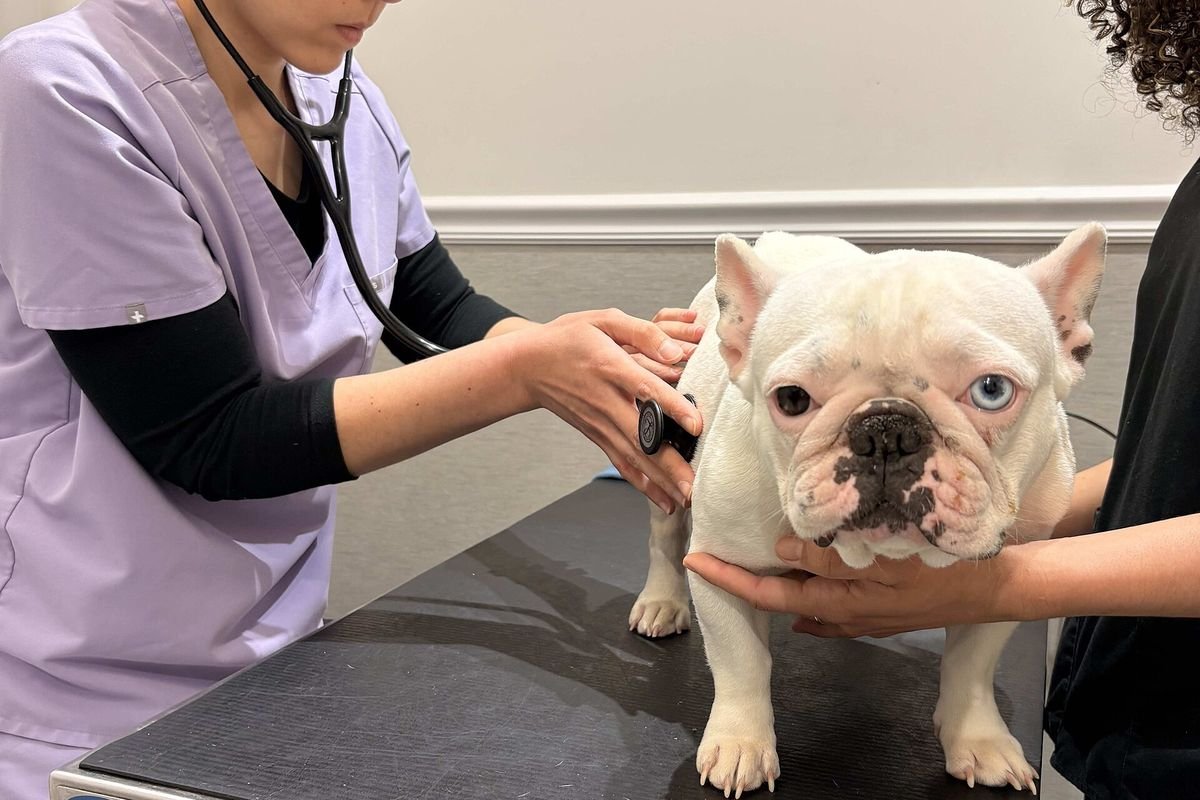
A quick note: we are not vets, and this is not veterinary advice. This guide is research-based, drawing on USDA, CDC, AVMA and state animal health sources, and we have not hands-on tested the products mentioned. If you think your pet has a wound with maggots or a wound that is not healing, call your vet today.
Last updated: Oct 31, 2026 – this is a developing situation; we will update this page as USDA and state officials confirm new information.
On Oct 28, 2026, the USDA confirmed New World screwworm in a dog in Cochise County, Arizona. It is Arizona’s first detection, and Arizona is now the third US state with confirmed cases this year, after Texas and New Mexico. Many owners are now searching for the signs of screwworm in dogs, and whether people can catch it.
Some reassurance first: as of Oct 29, 2026, the CDC describes the current risk to the public and animals in the United States as very low, and most US pets live far from the affected border areas. Screwworm is serious when it happens, though, and the best protection is simple: look your pet over every day and get any wound seen by a vet.
Quick answer: what pet owners need to know about screwworm
- What it is: New World screwworm (NWS) is a parasitic fly. Females lay eggs in open wounds, and the larvae feed on living tissue.
- Where it is: As of Oct 31, 2026, USDA and state officials have confirmed animal cases in Texas, New Mexico and Arizona.
- Dogs and cats can get it: Any warm-blooded animal can be infested, and USDA says even a wound as small as a tick bite can be enough.
- Key signs: Draining or enlarging wounds, maggots or egg masses, a bad smell, and constant licking or signs of pain.
- Prevention: Check your pet daily, keep wounds clean and covered, and have your vet look at every wound.
- If you suspect it: Call your vet right away. Do not try to treat it at home.
- Human risk: CDC reports no human cases acquired in the US and calls the public risk very low.
What is New World screwworm?
New World screwworm (Cochliomyia hominivorax) is a fly native to the Americas. The adult fly is not the problem. Trouble starts when a female lays her eggs on an open wound or a moist body opening, such as the nose, ears or a newborn’s navel. According to the CDC, the eggs hatch into larvae (maggots) that burrow into the wound and feed on living tissue.
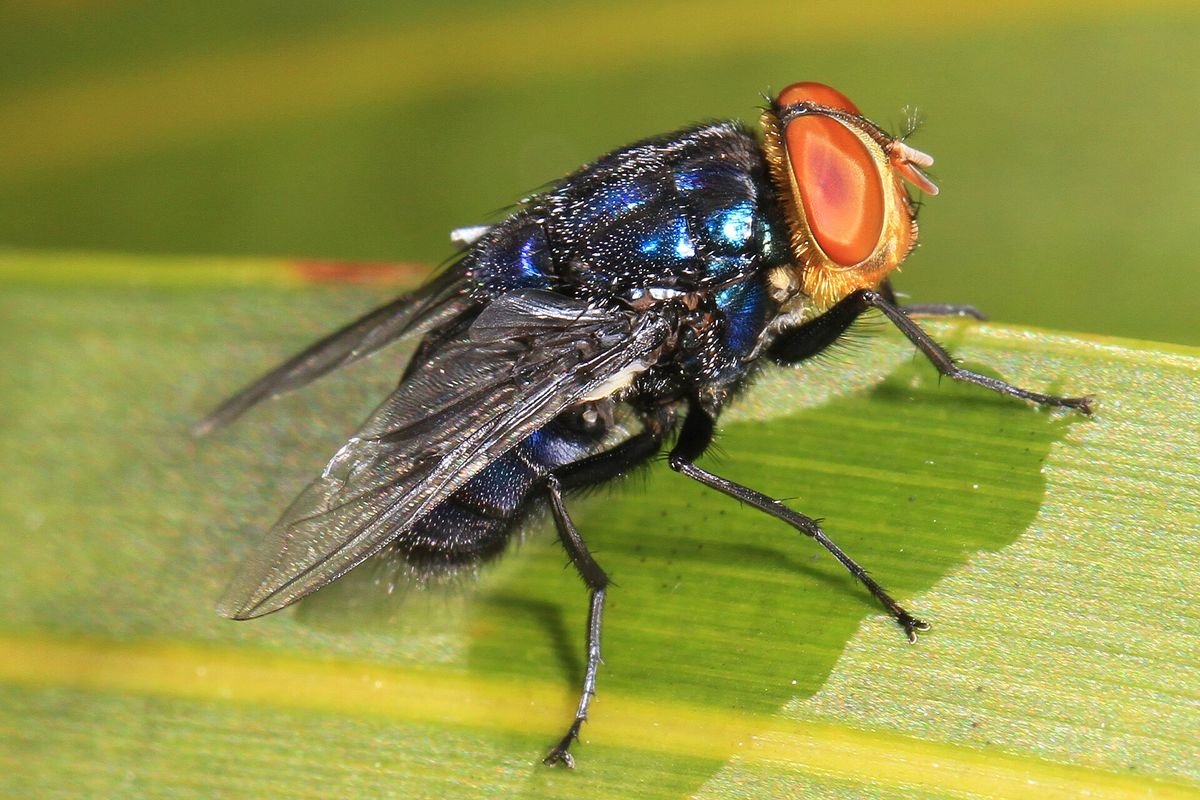
That is the big difference from ordinary fly strike. Most common maggots feed on dead tissue, while screwworm larvae feed on healthy tissue, so an untreated wound can grow quickly. It is why you may see screwworm described as the parasite some headlines call “flesh-eating”. Official sources use calmer language, and so will we.
The US has beaten this pest before. USDA says releasing sterile flies, so wild females cannot produce offspring, helped eradicate NWS from the United States in 1966. A small 2016-2017 outbreak in the Florida Keys, mostly in endangered Key deer, was also eliminated. The fly has since spread north through Central America and Mexico, and USDA has added sterile fly capacity, including a facility in Edinburg, Texas. Some social media posts claim sterile fly releases are to blame for new cases; we found no evidence for that, and the Texas Animal Health Commission, citing USDA, says sterile fly releases are safe and pose no risk to wildlife, livestock or people.
Where has screwworm been found in the US? (as of Oct 31, 2026)
The first US animal case of this outbreak was confirmed on June 3, 2026, in a young calf in Zavala County, Texas. The table lists key detections we could confirm on official USDA or state pages. It is not a full list of every case.
| Date | Where | Animal | Source |
|---|---|---|---|
| Jun 3, 2026 | Zavala County, TX | Calf (first US case of this outbreak) | USDA APHIS |
| Jun 8, 2026 | Lea County, NM | Dog (New Mexico’s first case) | USDA APHIS |
| Jun 8, 2026 | Gillespie County, TX | Goat | USDA APHIS |
| Sep 17, 2026 | Grant County, NM | Horse | USDA and New Mexico officials |
| Oct 16, 2026 | Grant County, NM | Horse and calf | New Mexico screwworm site |
| Oct 21, 2026 | Pecos County, TX | Elk (first US wildlife detection) | USDA APHIS |
| Oct 21, 2026 | Otero County, NM | Cow | New Mexico screwworm site |
| Oct 22, 2026 | Hidalgo County, NM | Calf | New Mexico screwworm site |
| Oct 25, 2026 | Doña Ana County, NM | Ram and bull | New Mexico screwworm site |
| Oct 28, 2026 | Cochise County, AZ | Dog (Arizona’s first case) | USDA APHIS |
| Oct 29, 2026 (zone set) | Doña Ana County, NM | Dog (infested zone extends into El Paso County, TX) | Texas Animal Health Commission |
When we checked on Oct 31, 2026, the Texas Animal Health Commission listed 20 Texas counties with at least one confirmed detection, and movement restrictions in parts of 14 counties, including El Paso County. On Oct 29, TAHC said the newest El Paso County zone was set up after a detection in a dog in neighboring Doña Ana County, New Mexico. New Mexico keeps its case list on the state’s screwworm information site. In Arizona, USDA’s Oct 28 announcement describes a 20-kilometer infested zone with animal movement controls, extra trapping and sterile fly releases.
Reported, citing USDA (we could not check these on an official page): On Oct 29-30, 2026, the University of Minnesota’s CIDRAP and The Washington Post reported that USDA has confirmed 71 animal cases since June, nine of them in dogs. CIDRAP said the five most recent cases were all pets: four dogs in Arizona, New Mexico and Texas, and a domestic cat in New Mexico, the first cat case. KFOX14 also reported a dog case in El Paso County, Texas, on Oct 28. USDA’s detections dashboard did not load for us, so for current numbers check the screwworm.gov hub.
Can dogs and cats get screwworm?
Yes. A December 2025 guidance sheet from USDA, CDC and FDA says screwworm can affect all warm-blooded animals, including dogs, cats and people. Dogs are among the confirmed US cases, including New Mexico’s first case in June and the Arizona case confirmed on Oct 28, although most detections have been in livestock. New Mexico’s health department notes that in Mexico, dogs are the second most commonly affected species after cattle.
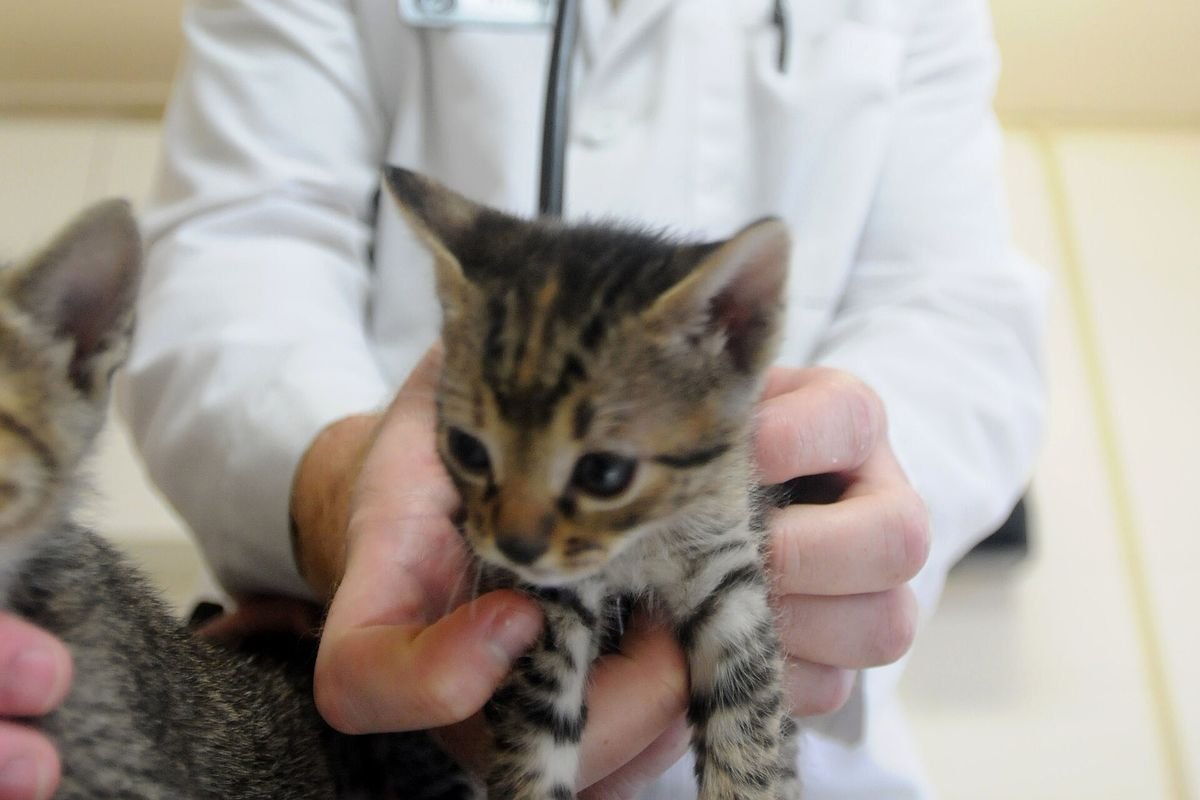
The same guidance says screwworm can infest wounds as small as a tick bite, as well as mucous membranes. Pets at higher risk include those that spend a lot of time outside, have skin folds, long hair, allergies or other medical conditions, are recovering from surgery or recently gave birth, or have mites, fleas or ticks. Newborn puppies and kittens are vulnerable through the healing navel.
Ranch, hunting and guardian dogs and strays face more exposure than indoor pets, and outdoor cats with fight wounds can be exposed too. Geography matters most: a pet near the southern border, or one traveling to or from Mexico, faces far more risk than a pet in Ohio.
Signs of screwworm in dogs and cats
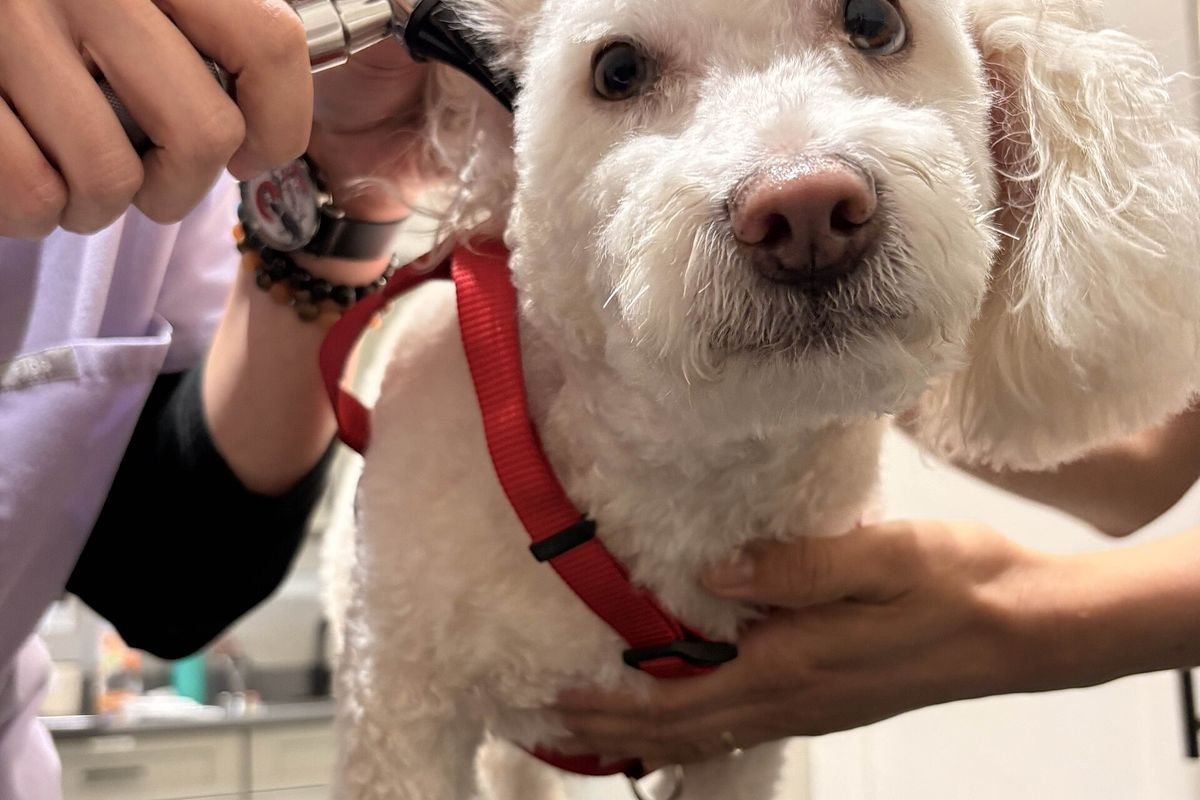
USDA asks owners in affected areas to check animals daily, and Texas A&M AgriLife Extension adds behavior changes to watch for:
- A wound that is draining, getting bigger or not healing
- Maggots or egg masses in a wound or body opening
- A foul smell from a wound, ear or nose
- Constant licking, biting or scratching at one spot, or shaking a limb
- Pain, irritability, low energy or loss of appetite
An ordinary infected wound can look similar, and you do not need to tell them apart. Any wound with larvae, or one that keeps getting worse, needs a vet the same day.
| What you might see | What it could mean | What to do |
|---|---|---|
| Maggots in a wound | Possible screwworm or another fly infestation | Call your vet now; do not remove them yourself |
| A wound getting bigger over a few days | Infection or possible screwworm | Same-day vet visit |
| Bad smell from an ear, nose or wound | Infection or possible infestation | Vet exam soon; same day in affected areas |
| Nonstop licking at one spot | Allergy, pain or a hidden wound | Look closely and call your vet |
How to protect your pet: daily checks and wound care
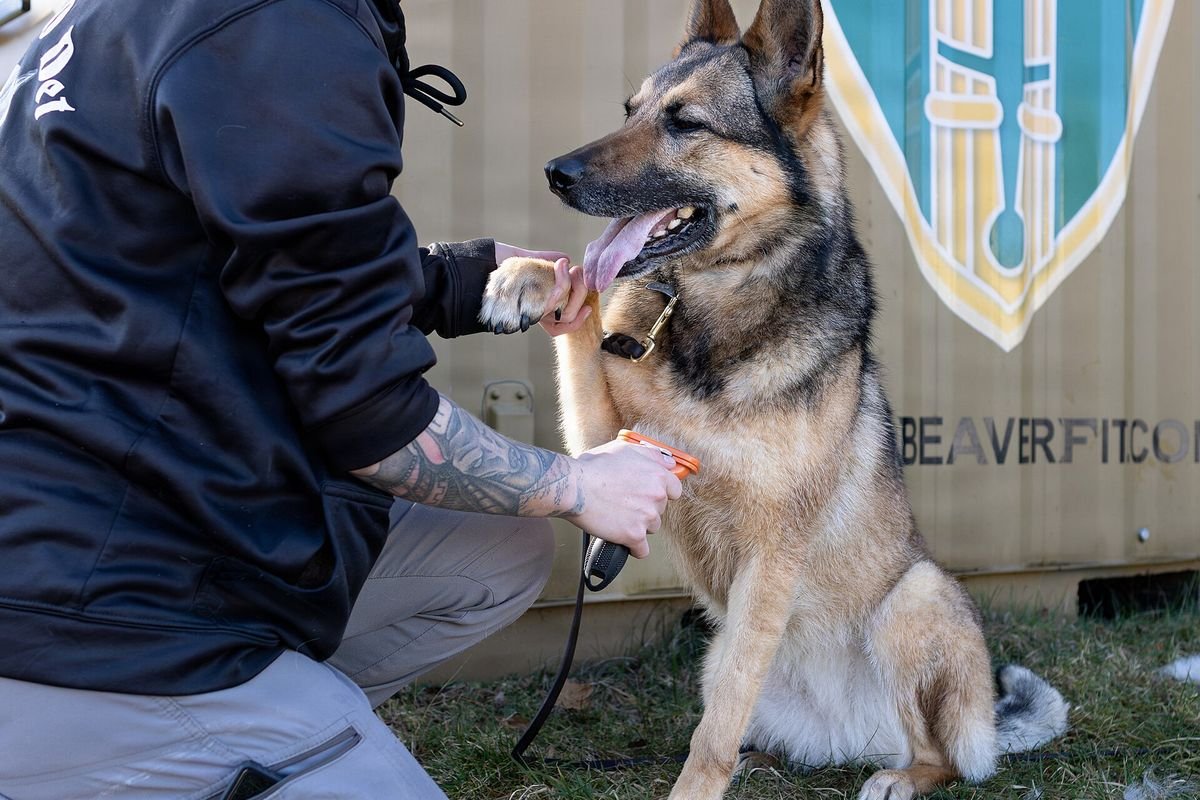
Once a day, check your pet nose to tail: inside the ears, around the eyes, nose and mouth, under the collar, between the toes, along the belly and around the tail base. Part long fur so you can see the skin, and take an extra look at old tick bites and skin folds.
Treat every wound as worth a call to your vet. Keep cuts clean and covered as your vet directs, and use a cone or recovery suit to stop licking, which keeps wounds moist and open. After surgery, follow the clinic’s instructions closely; our spay and neuter recovery tips cover incision care.
Stay on top of parasite control too, since USDA lists fleas, ticks and mites as risk factors. Our flea and tick prevention guide explains the main options, and your vet can tell you whether a particular product also has FDA authorization for screwworm.
Bring pets with wounds indoors, away from flies, and check working dogs after every outing. If you travel through affected border counties, Texas officials advise having pets and vehicles inspected in infested areas. If you cross into Mexico with a pet, read the AVMA’s guide to traveling to and from Mexico; USDA requires dogs arriving from affected countries to have a government health certificate showing they were inspected within 5 days of travel.
What to do if you think your pet has screwworm
If you see maggots in a wound, or a wound that keeps growing, stay calm and act quickly. Based on USDA, state and Texas A&M AgriLife guidance:
- Call your vet right away, or an emergency clinic if yours is closed. Mention any recent time in Texas, New Mexico, Arizona or Mexico.
- Keep your pet indoors, away from flies.
- Do not pour chemicals or home remedies into the wound, and do not try to pull out larvae yourself.
- Follow your vet’s advice on whether to loosely cover the wound on the way in.
- Let your vet handle reporting. USDA guidance tells vets to immediately report suspected cases to the state animal health official and USDA. Texas asks for reports within 24 hours to TAHC at 1-800-550-8242, and New Mexico’s Livestock Board takes reports at (505) 841-6161.
USDA’s screwworm.gov hub lists other reporting contacts, but for pet owners the first call is simply to your vet.
How vets treat screwworm
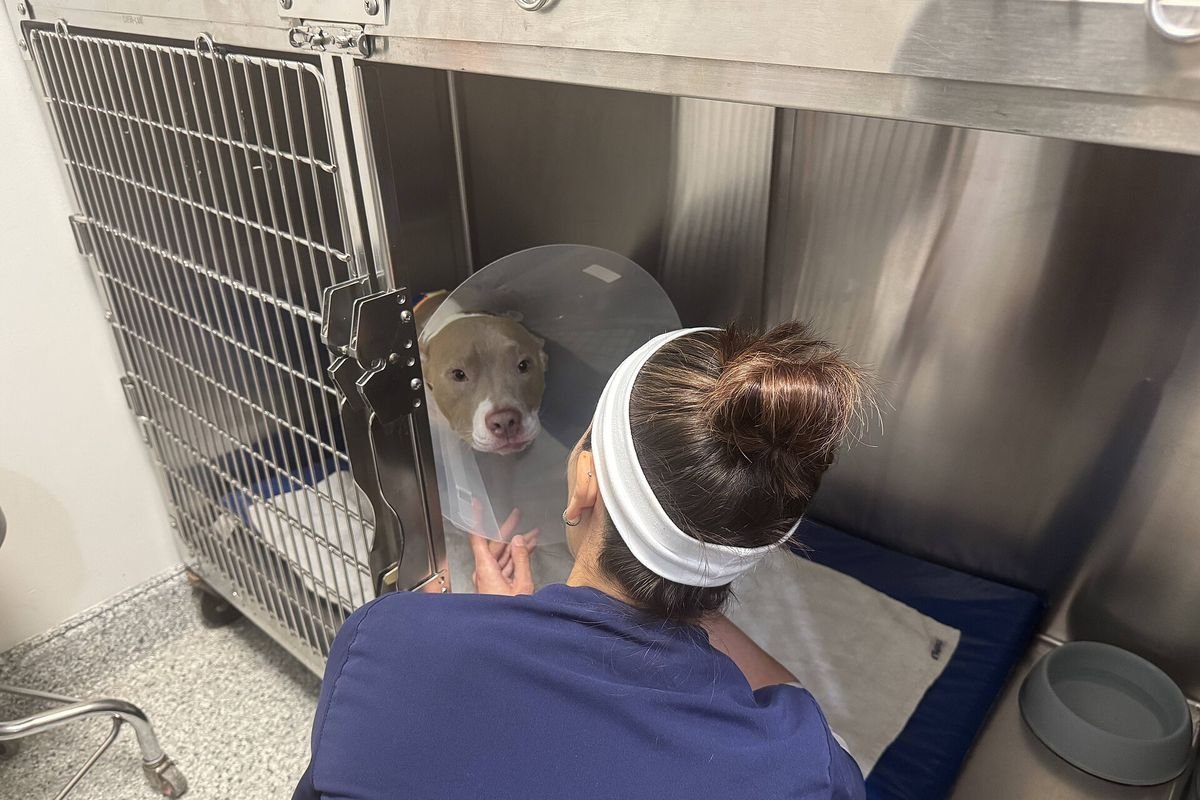
According to Texas A&M AgriLife Extension, a vet will usually remove and kill all larvae and clean the wound, sometimes under sedation. Larvae may be sent to a lab to confirm the diagnosis.
On Dec 17, 2025, the FDA conditionally approved Credelio Quattro-CA1, a prescription chewable, to treat screwworm infestations in dogs. As of the FDA page current on Sep 3, 2026, several other products for dogs and cats have emergency use authorizations; see the FDA’s screwworm animal drug page. Which one fits your pet is your vet’s call.
Animals can recover, and prompt care gives them the best chance; AgriLife notes infestation can be fatal depending on the wound’s location, severity and how quickly it is found. Emergency wound care can be costly, and our pet insurance guide explains how plans generally work. Check any policy’s terms yourself.
Can people catch screwworm from pets?
No. New Mexico’s Department of Health, in an Oct 26, 2026 health alert, says screwworm is not directly transmissible from animals to people, among people, or among animals. Infestations come only from eggs a female fly lays on a wound or mucous membrane, so the source is the fly, not touching an infested pet. Still, leave wound handling to your vet.
As of Oct 29, 2026, the CDC’s outbreak summary says there have been no reports of human cases acquired in the United States; one travel-associated case was confirmed in August 2025 in a person returning from El Salvador. Keep your own wounds clean and covered, and see a healthcare provider promptly for any wound with maggots.
Useful supplies for wound care and daily checks
To be clear: no Amazon product prevents or treats screwworm, and any suspected case needs a vet. The supplies below are general wound-care and daily-check helpers that make it easier to spot problems early and protect minor wounds while you follow your vet’s advice.
Check sizing and the current listing before buying, and ask your vet what suits your pet.
Pet first aid kit
ARCA PET Cat and Dog First Aid Kit is a broad home or travel kit with gauze, bandages and a tick remover. It suits owners who hike, travel or live rurally. Check the listing for current contents.
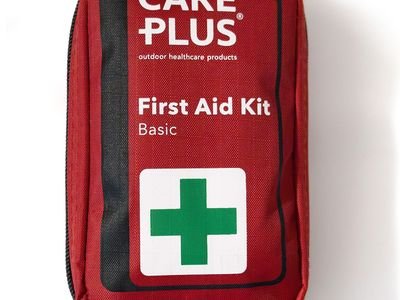
Pet first aid kit (item type, not the exact product). Photo: Renée Kools, CC BY 4.0, via Wikimedia Commons (resized)
ARCA PET Cat and Dog First Aid Kit
Broad home or travel kit with gauze, bandages and a tick remover, for owners who hike, travel or live rurally.
Check price on AmazonSoft recovery cone
ZenPet ZenCollar Inflatable Recovery Collar is a donut-style collar that limits reach to many wounds, and many pets find it easier to eat and sleep in than a hard cone. It may not stop flexible dogs reaching paws or lower legs. Measure the neck before choosing a size.
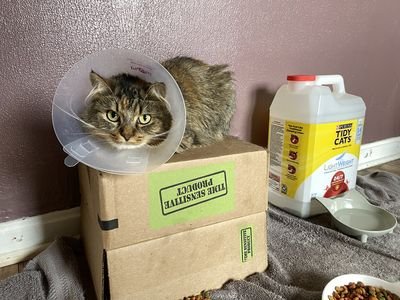
Recovery collar (item type, not the exact product). Photo: Nightgane, CC0, via Wikimedia Commons
ZenPet ZenCollar Inflatable Recovery Collar
Soft donut-style collar for pets who struggle with hard cones; measure the neck before choosing a size.
Check price on AmazonRecovery suit
Suitical Recovery Suit for Dogs is a stretchy body suit that covers the chest and belly, helpful for spay or neuter incisions on dogs that will not tolerate a cone. It does not cover legs or the head. Use the listing’s sizing chart.
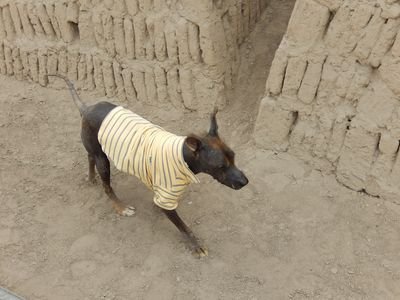
Body covering for dogs (item type, not the exact product). Photo: Laura Bromley, CC BY-SA 2.0, via Wikimedia Commons (resized)
Suitical Recovery Suit for Dogs
Stretchy body suit covering chest and belly, for dogs who will not tolerate a cone; use the sizing chart.
Check price on AmazonBrush for daily skin checks
Hertzko Self-Cleaning Slicker Brush suits many dog and cat coats and makes a daily brush-and-look routine easier, helping you spot ticks, scabs and small wounds. Go gently on thin-coated or sensitive pets.
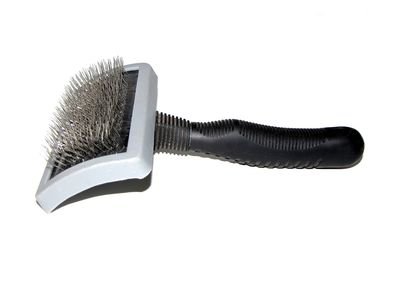
Slicker brush (item type, not the exact product). Photo: ZooFari, CC BY-SA 3.0, via Wikimedia Commons (resized)
Hertzko Self-Cleaning Slicker Brush
Slicker brush for many dog and cat coats; makes a daily brush-and-look skin check easier.
Check price on AmazonWound and skin care spray
Vetericyn Plus Wound and Skin Care Spray is a common choice for cleaning minor scrapes and hot spots. Use it only for minor wounds after checking with your vet; it does not treat screwworm.

Spray bottle (item type, not the exact product). Photo: Kaviyadharshini Selvakumar, CC BY-SA 4.0, via Wikimedia Commons (resized)
Vetericyn Plus Wound and Skin Care Spray
Spray for minor scrapes and hot spots, used after checking with your vet; it does not treat screwworm.
Check price on AmazonFAQ
Short answers to the questions we see most. For the latest confirmed information, check screwworm.gov and your state animal health agency.
What is screwworm in dogs?
It is an infestation by New World screwworm fly larvae, which hatch from eggs laid in an open wound or body opening and feed on living tissue. It needs prompt veterinary care.
What are the symptoms of screwworm in dogs?
Wounds that drain, enlarge or will not heal, maggots or egg masses, a foul smell, constant licking at one spot, and signs of pain or low appetite. Call your vet right away.
Can cats get screwworm?
Yes. USDA says screwworm can affect all warm-blooded animals, including cats, and news reports citing USDA say the first US cat case was confirmed in New Mexico in late October 2026. Outdoor cats with bite wounds or skin problems are at higher risk.
Is screwworm dangerous to humans?
People can be infested, but it is rare. As of Oct 29, 2026, CDC reports no human cases acquired in the US and calls the public risk very low.
Which US states have screwworm?
As of Oct 31, 2026, officials have confirmed animal cases in Texas, New Mexico and Arizona. Arizona’s first case, a dog in Cochise County, was confirmed on Oct 28, 2026.
Can I treat screwworm at home?
No. Do not pour chemicals into the wound or remove larvae yourself. Keep your pet indoors and call your vet, who can treat the wound and report the case.
How can I protect my dog from screwworm?
Check your dog daily, keep wounds clean and covered, use a cone or recovery suit to stop licking, stay on top of flea and tick control, and have your vet see every wound.
Is it safe to travel with my dog to Texas, New Mexico or Arizona?
We found no official advice against traveling with pets within these states. Check your dog daily on the trip, keep wounds covered, and check state rules, since Texas suggests pet and vehicle inspections in infested areas.
Bottom line
New World screwworm is now confirmed in animals in Texas, New Mexico and Arizona, including dogs. Even so, CDC rates the current risk to the public and animals in the US as very low. For most owners, the job is everyday care: daily checks, protected wounds, and no waiting on a wound that is getting worse.
If you live near the border or travel there with your pet, be a little more watchful, and call your vet at the first sign of maggots or a non-healing wound. We will update this guide as officials confirm new information.