
As an Amazon Associate, PetKiddies earns from qualifying purchases. We may also earn from other affiliate links on this page at no extra cost to you.
A quick note: we are not vets, and this is general information, not a substitute for your vet’s advice. We researched published sources and brand listings; we have not hands-on tested any food or product mentioned. Talk to your vet before changing the diet of a dog with a health condition.
Last updated: Nov 14, 2026
Fresh dog food has moved from a niche subscription to a regular option in the pet aisle and the mailbox. Many owners are asking whether lightly cooked, refrigerated meals are really better than the kibble in the pantry, and whether they are worth paying more for.
This guide explains what “fresh” means, how it compares with kibble and canned food, what the research does and does not show, and how to choose and switch safely. We do not claim fresh food cures or prevents any disease, and the evidence on long-term outcomes is thin.
Quick answer
- Fresh is a different format, not automatically a healthier one. We found no peer-reviewed evidence that fresh food improves long-term health or lifespan.
- The label matters more than the marketing. Look for an AAFCO “complete and balanced” statement for your dog’s life stage.
- Fresh usually costs considerably more than kibble. A fresh topper or a partial fresh diet can narrow the gap.
- Keep it cold and follow the pack. Storage and use-by windows matter more than with kibble.
- Switch gradually, over about 5 to 7 days, or longer for sensitive dogs.
- Dogs with kidney disease, pancreatitis, allergies or heart disease: ask your vet or a board-certified veterinary nutritionist before switching.
What counts as fresh dog food
“Fresh” is a marketing category rather than a legal one. It generally means meals that are gently cooked, then kept refrigerated or frozen. Brands describe themselves in their own words: The Farmer’s Dog calls its original food “gently cooked”, pre-portioned and delivered; Spot & Tango describes “gently cooked whole ingredients” delivered to your door; JustFoodForDogs sells “fresh frozen” meals plus shelf-stable pantry options; and Freshpet says its recipes are steam-cooked and sold from store fridges, with a delivery plan as well.

Several of these brands say their recipes are formulated or developed by veterinary nutritionists. That is the brand’s claim, so check the details yourself (see the checklist below).
What “human-grade” means. AAFCO has guidelines for this claim. As we read them, the term applies to the whole product, and every ingredient and the finished food must be stored, handled, processed and transported under the rules for human-edible food. AAFCO also states that it does not approve or certify pet foods, and the label term does not by itself tell you a recipe is complete and balanced.
Fresh is not raw. Raw diets are uncooked. The FDA says the single best way to prevent infection from the bacteria in raw pet food is not to feed a raw diet. Lightly cooked fresh food is a different category, though it still needs careful handling.
Fresh vs kibble vs canned
| Factor | Fresh (refrigerated/frozen) | Kibble | Canned |
|---|---|---|---|
| Moisture | Substantial water | Much less water | Moist; check the label |
| Storage | Fridge or freezer, per pack | Cool, dry place; FDA says below 80 F, ideally in the original bag | Unopened can per label; opened food covered in the fridge |
| Shelf life once opened | Short; follow the pack’s use-by window | Longest; use the bag’s date | FDA says refrigerate leftovers promptly, covered, at 40 F or below |
| Convenience | Pre-portioned packs, but needs fridge or freezer space | Easiest to scoop, store and travel with | Easy to open, bulkier to store |
| Cost | Usually considerably more | Usually the lowest | In between, depending on dog size |
| Where to buy | Brand sites (often subscription), store fridges, some online retailers | Pet stores, groceries, online | Pet stores, groceries, online |
What the evidence says (and what it doesn’t)
Confirmed, but small. Two small feeding studies found that fresh diets were more digestible than a kibble and produced less stool. A 2021 Translational Animal Science paper compared a chicken kibble with four fresh recipes in groups of 6 to 12 dogs per diet, feeding each diet for 10 days; the authors called it preliminary and are employees of the fresh-food brand that made the test diets. A 2021 University of Illinois study in the Journal of Animal Science used 12 dogs and found the kibble produced 1.5 to 2.9 times more fecal output than the fresh or human-grade foods; it found no difference in fecal scores. We could not confirm who funded that study.
Not shown. Higher digestibility in a short trial does not tell us whether a dog lives longer or has fewer illnesses. We found no peer-reviewed evidence for those claims, so treat them as marketing.
The DCM question. The FDA has investigated reports of diet-associated dilated cardiomyopathy (DCM) in dogs, many involving “grain-free” diets. In an update dated Dec 23, 2022, the FDA said it does not intend to release further public updates until there is meaningful new scientific information; we did not find a newer update when we checked on Nov 14, 2026. Some fresh recipes use a lot of legumes, so if you are unsure about a recipe, ask your vet.
How to choose a fresh dog food
- AAFCO statement for your dog’s life stage. AAFCO calls the nutritional adequacy statement “perhaps the most important part of a label”. Look for “complete and balanced” for growth, maintenance or all life stages.
- Formulation vs feeding trials. The statement may say the food was formulated to meet the AAFCO nutrient profiles, or that animal feeding tests substantiate it. Both are valid statements, but they are different levels of evidence.
- Who formulates it. WSAVA’s guidelines suggest asking whether a company employs a qualified nutritionist, who formulates the diets, and what quality control and research it does. Look for a board-certified veterinary nutritionist, and ask the brand if it is unclear.
- Ingredients. Read the list. If a recipe leans heavily on peas, lentils or other legumes, mention it to your vet.
- Calories per pack. You will portion by weight or calories, so check the calories listed and the feeding guide.
- Storage and delivery. Do you have fridge or freezer room, and can you receive deliveries reliably?
- Recall history. Check any brand before you buy. Our pet food recall guide explains how.
Fresh toppers: a budget middle ground
If a full fresh diet is out of budget, some owners add a fresh or freeze-dried topper to their dog’s regular food. The catch is calories: WSAVA says treats should make up less than 10% of daily calories, and a topper adds calories on top of the meal. Ask your vet how much kibble to cut back, and remember that a topper alone is usually not a complete diet unless the label says so.
How to switch without an upset stomach
The AKC says abrupt changes can cause vomiting, diarrhea and a lower appetite, and recommends transitioning over about 5 to 7 days. Dogs with sensitive stomachs, food allergies or GI conditions may need longer. A typical schedule:

- Days 1-2: about 25% new food, 75% old food.
- Days 3-4: about 50% new, 50% old.
- Days 5-6: about 75% new, 25% old.
- Day 7: 100% new food.
Watch appetite, behavior and stool through the switch. If your dog shows concerning signs, slow down, and call your vet if upset continues. Fresh food is portioned by weight or calories, so measure it rather than guessing.
Handle it like any perishable food: the FDA advises washing hands for at least 20 seconds before and after handling pet food, and washing bowls and scoops after each use. Follow each pack’s thaw, storage and use-by directions.
Picks worth a look
Amazon listings would not load for us on Nov 14, 2026, so we are not naming specific products we could not check. The buttons below open Amazon searches. Read the full listing, ingredients and storage directions before buying. Subscription brands such as The Farmer’s Dog, Ollie and Nom Nom sell direct from their own sites.
A fresh-style food or topper. Some fresh-style products, including shelf-stable and refrigerated options, are sold on Amazon. This suits owners who want to try fresh without a subscription. Check the AAFCO statement and life stage, whether it is a complete meal or a topper, and its storage needs.

Dog licking its lips (illustrative photo, not the exact product). Photo: Karen Arnold, CC0, via Wikimedia Commons
Fresh dog food topper (search results)
Amazon search only; we could not verify a listing. Check life stage, complete meal vs topper, and storage directions.
Search on AmazonAirtight or freezer-safe containers. These suit anyone portioning fresh food or keeping opened packs tidy. Check that they are food-safe and freezer-safe if you plan to freeze, and that you can wash them thoroughly between uses.
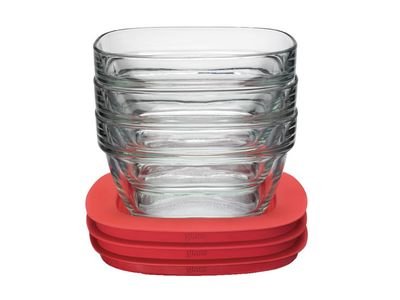
Food storage containers (illustrative photo, not the exact product). Photo: Rubbermaid Products, CC BY 2.0, via Wikimedia Commons (resized)
Freezer-safe food storage containers (search results)
Amazon search only. Check that containers are food-safe, freezer-safe and easy to wash between uses.
Search on AmazonA kitchen food scale. This suits anyone feeding by weight, which is how fresh food is usually portioned. Check the maximum weight, the unit options (grams and ounces) and that the display is easy to read.
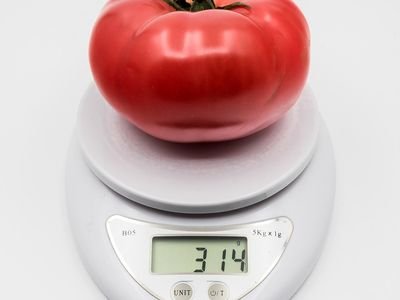
Kitchen scale (illustrative photo, not the exact product). Photo: Jacek Halicki, CC BY-SA 4.0, via Wikimedia Commons (resized)
Digital kitchen food scale (search results)
Amazon search only. Look for grams and ounces, a tare function and a display you can read easily.
Search on AmazonFAQ
Is fresh dog food better than kibble?
Small studies show higher digestibility and less stool with some fresh diets, but we found no peer-reviewed evidence of better long-term health. A complete and balanced food that suits your dog matters most.
Is fresh dog food worth the cost?
It usually costs considerably more than kibble, so it depends on your budget and your dog. A topper or partial approach can cost less; ask your vet if your dog has a health condition.
What does human-grade mean?
Under AAFCO’s guidelines, it describes a whole product in which every ingredient and the finished food are handled under human-food rules. It is not the same as “complete and balanced”.
Can I mix fresh food with kibble?
Many owners do, but count the calories from both so you do not overfeed. Ask your vet how much kibble to reduce.
How long does fresh dog food last in the fridge?
It varies by brand, so follow the use-by window on the pack. Fresh food is short-lived once thawed or opened compared with kibble.
Is fresh dog food the same as raw?
No. Fresh food is typically gently cooked, while raw is uncooked, and the FDA advises against feeding raw diets because of bacteria risks.
Bottom line
Fresh dog food can be a convenient, appealing option, but the research shows digestibility differences in small studies, not health or lifespan benefits. Choose a complete and balanced recipe, budget for the cost, store it carefully and switch gradually.
More from PetKiddies
- Best dog food 2026
- Choosing the best dog food: a quick guide
- Senior dog food buyer’s guide
- Pet food recall guide
- Senior dog not eating
- Thanksgiving foods for dogs and cats
Sources
- AAFCO, “Reading Labels” and FAQ (accessed Nov 14, 2026). aafco.org
- AAFCO, Standard for “Human Grade” Pet Food (accessed Nov 14, 2026, via search result). aafco.org (PDF)
- FDA, “FDA Investigation into Potential Link between Certain Diets and Canine Dilated Cardiomyopathy” (accessed Nov 14, 2026, via search result). fda.gov
- FDA, “Tips for Safe Handling of Pet Food and Treats” and “Proper Storage of Pet Food & Treats” (accessed Nov 14, 2026, via search result). Handling, Storage
- FDA, “Get the Facts! Raw Pet Food Diets can be Dangerous to You and Your Pet” (accessed Nov 14, 2026, via search result). fda.gov
- WSAVA, “Selecting a pet food for your pet” (2021) and “Feeding treats to your dog” (accessed Nov 14, 2026, via search result). Selecting (PDF), Treats (PDF)
- AKC, “How to Switch & Transition Dog Foods” (updated Apr 17, 2026; accessed Nov 14, 2026). akc.org
- Tanprasertsuk J et al. “Apparent total tract nutrient digestibility and metabolizable energy estimation in commercial fresh and extruded dry kibble dog foods.” Translational Animal Science, 2021. pmc.ncbi.nlm.nih.gov
- Do S et al. “Nutrient digestibility and fecal characteristics, microbiota, and metabolites in dogs fed human-grade foods.” Journal of Animal Science, 2021. academic.oup.com
- Vetstreet, “Is fresh dog food worth it?” (accessed Nov 14, 2026, via search result). vetstreet.com
- Brand sites: The Farmer’s Dog, Spot & Tango, JustFoodForDogs, Freshpet (accessed Nov 14, 2026). Amazon listings could not be loaded on Nov 14, 2026.
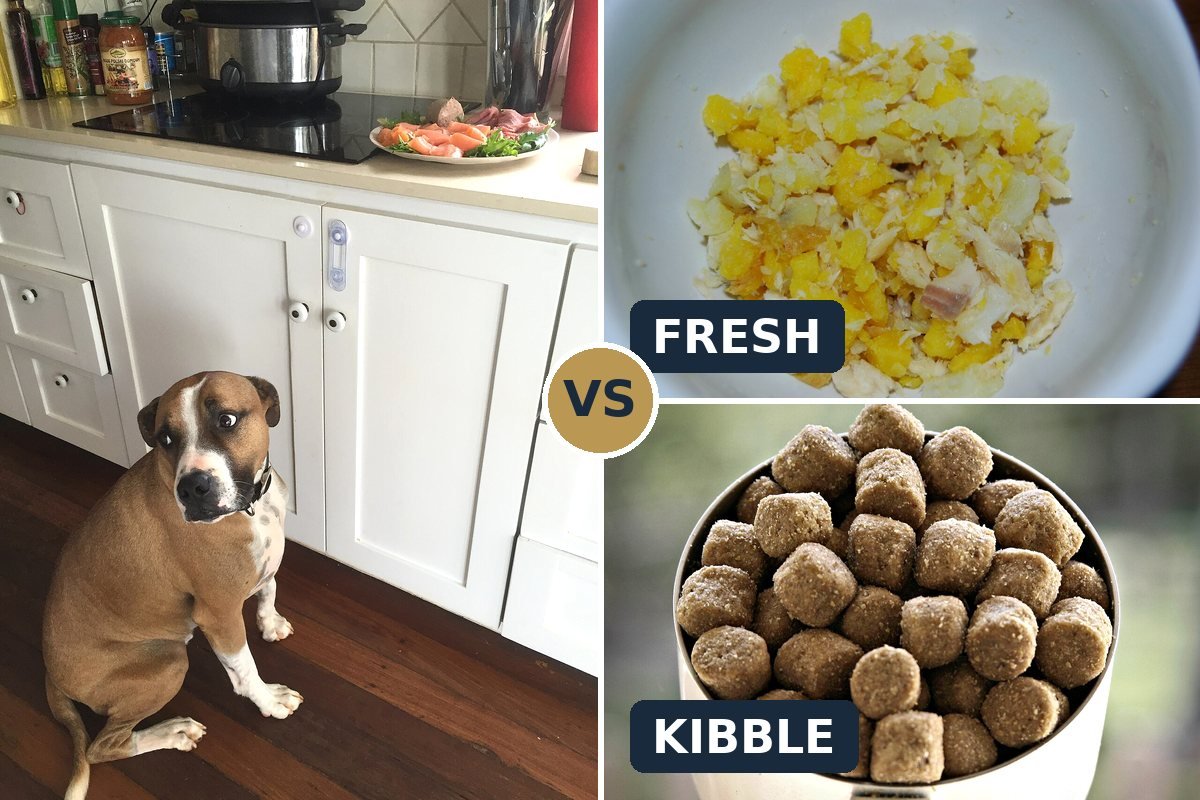
Featured photos: left, Photo: Kgbo, CC BY-SA 4.0, via Wikimedia Commons (resized); top right, Photo: Monica Kaneko, CC BY-SA 2.0, via Wikimedia Commons (resized); bottom right, Photo: carterse, CC BY-SA 2.0, via Wikimedia Commons (resized)