
As an Amazon Associate, PetKiddies earns from qualifying purchases. We may earn a commission from links on this page at no extra cost to you.
By the PetKiddies Editorial Team · Researched from veterinary sources, cited inline · General guidance, not veterinary advice
If you have a senior dog, somebody at the vet clinic is going to bring up the teeth. Maybe it is the tech during the annual exam, maybe it is the vet while you are in the room. Either way, the conversation is coming, and it is worth knowing what actually matters before you get there.
My four seniors range from 9 to 13. Three of them have had at least one dental cleaning under anesthesia. One has had two, and a couple of extractions along the way. I am not a vet. I am the person holding the leash, paying the bill, and watching them eat the next morning. This is the field guide I wish I had the first time.
## The honest starting point
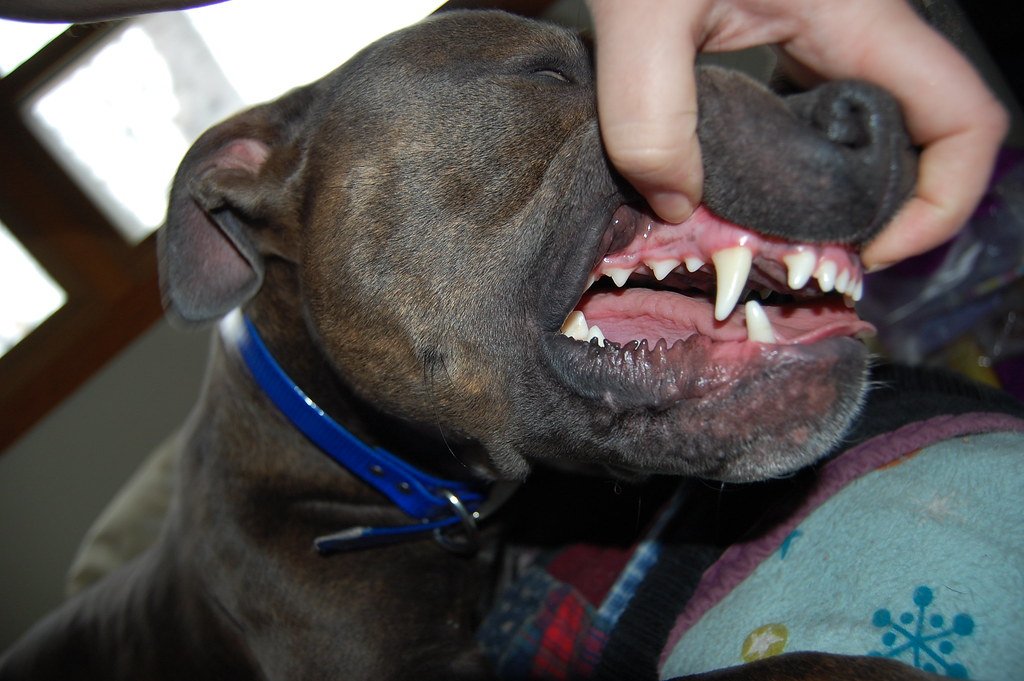
By age 7, most dogs have some form of dental disease. The number you will hear a lot is “80% by age 3” for smaller breeds, and the truth is not far off for the medium and large ones either. Tartar builds up, gum tissue gets inflamed, and bacteria set up shop below the gumline. None of this is a moral failing on your part. It is mostly genetics, jaw shape, and how the saliva in that particular dog handles minerals.
What you can influence is how fast it progresses and how much pain the dog has to live with on the way.
## What the vet will probably recommend
The gold standard for any dog with visible tartar or red gums is a professional cleaning under general anesthesia. This is not optional theater. Anesthesia is what lets the vet take x-rays of the tooth roots, scale below the gumline, and pull any teeth that are too far gone to save. A non-anesthetic “anesthesia-free” scaling is cheaper and easier to schedule. It also does not address the disease under the gum, which is where most of the damage happens. Most general practice vets and the American Veterinary Dental College do not recommend it as a primary treatment.
A typical cleaning at a full-service clinic runs anywhere from $400 to $1,200 depending on your area, whether extractions are needed, and what pre-op bloodwork looks like. If your vet quotes low, ask what is included. Pre-op bloodwork, full mouth x-rays, IV fluids, and monitored anesthesia are not upsells. They are the safety net.
## What I do at home, and what is realistic
Daily brushing is the single most effective thing you can do. It is also the thing almost none of us manage every day. If you can hit 3 to 4 times a week, that is enough to slow the buildup meaningfully. Use a soft dog toothbrush and dog toothpaste (the human kind is not safe). Work up to it slowly. Two of my dogs tolerate it. Two still look at me like I have betrayed them.
For the ones who refuse the brush, I lean on a combination of:
– A dental kibble or treat with the VOHC seal (the Veterinary Oral Health Council actually tests these). Hill’s Science Diet Adult 7+ for senior dogs is what my 13 year old eats, and it has the seal.
– A water additive that has chlorhexidine or a similar antibacterial ingredient. Mixed evidence on these, but I have seen the tartar rate slow down when I am consistent.
– Chew toys that flex but do not shatter. Skip anything hard enough to crack a walnut. Antlers and real bones are a frequent cause of fractured teeth, which is a whole new problem.
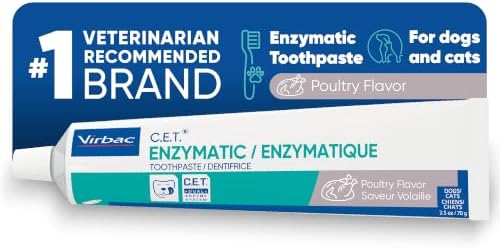
- FOR DOGS AND CATS: Enzymatic toothpaste specifically formulated using an enzyme system for dogs and cats to reduce plaqu…
- 100% SAFE: Includes no foaming agents, so this toothpaste is safe for pets to swallow
- VET RECOMMENDED: Virbac is the #1 Recommended dental brand by Veterinary professionals; Made in the USA

- Greenies Dog Treats For Daily Dental Care: Greenies natural dog teeth cleaning treats are crafted to support the 4 areas…
- Veterinarian-Recommended Dog Dental Treats: Greenies Dog Treats are veterinarian-recommended dental dog chews that clean…
- Dental Chews For Dogs Fights Tartar: Including Greenies regular size dogs teeth cleaning treats into your daily dental c…
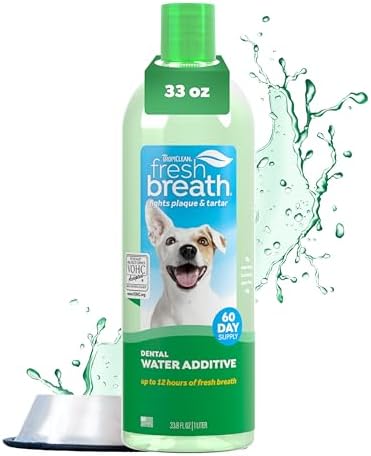
- Ease of Use: Forget the struggle of dog toothpaste and brushes. Try this stress-free alternative.
- Freshens Breath: Combat bad dog breath with tasteless dog mouthwash that lasts up to 12 hours.
- Cleans Beyond Teeth: Actively contributes to a clean mouth by reducing plaque and tartar build-up in 14 days or less.

- Delectable Dog Dental Care: Peanut butter gel makes brushing craveable for your dog
- Brush-Time Ready: Use daily with a toothbrush for best results in maintaining oral hygiene
- Gentle Brushes Included: Includes finger brush and long-reach toothbrush for easy application

- No Brushing Needed – Easy no brushing dog toothpaste gel for dogs and cats.
- Dog Breath Freshener – Helps fight bacteria that cause bad breath.
- Plaque Control – Helps remove plaque from your pet’s teeth.
The honest truth: home care slows things down. It does not replace the cleaning when the cleaning is due.
## When to push back on the recommendation
A good vet will show you the teeth, walk you through what they are seeing, and let you decide. A couple of moments where it is okay to ask questions:
– If the cleaning is being recommended on a dog with no visible tartar and healthy pink gums, ask what they are seeing. Maybe a small area of recession. Maybe nothing. Get the photo.
– If extractions are recommended without x-rays, ask for x-rays first. You do not want to pull a tooth that could have been saved.
– If the price feels wild, ask for an itemized estimate. If the price feels suspiciously low, also ask. You are paying for the safety pieces.
You can also push back on the schedule. If your senior is otherwise healthy and the teeth look stable, going 2 to 3 years between cleanings instead of every year is often reasonable. Talk to your vet about the trade-offs.
## The signs you should not wait on
Bad breath is the joke, but it is also the early warning. More concerning signs include dropping food while chewing, eating slower than usual, pawing at the mouth, blood on a chew toy, or visible swelling under the eye. Any of those means call the office this week, not at the next annual.
Dental pain is sneaky. Dogs do not usually stop eating outright. They just get pickier, or they start favoring one side of the mouth, or they swallow kibble whole. If your dog has changed how they eat in any way, look at the teeth.
## The bottom line
Brush when you can, use VOHC approved food and chews, and do not skip the anesthesia cleanings when the vet can show you why they are needed. Teeth problems do not get better on their own, and they quietly make everything else harder on a senior dog.
Last updated: June 2026