
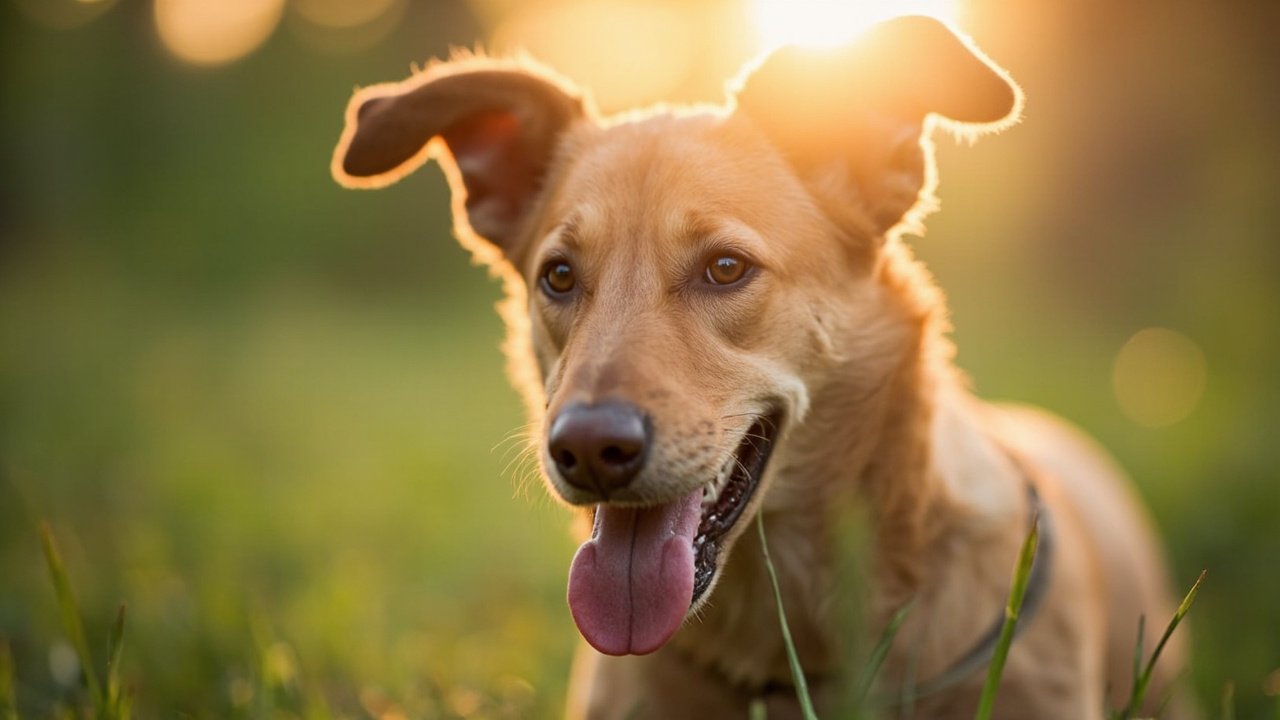
A new wave of warnings from veterinarians, including the recent reminder that 5 minutes in a hot car are enough to give your dog heatstroke, is a sobering wake-up call. With summer temperatures climbing across the US, UK, Australia, and Canada, knowing the real signs of heatstroke in dogs, and what to do (and avoid) in the first ten minutes, can be the difference between a scary afternoon and a lost best friend.
What Dog Heatstroke Actually Looks Like
Heatstroke, what veterinarians call hyperthermia, happens when a dog’s body temperature climbs above 104°F (40°C) and the cooling systems cannot keep up. Unlike people, dogs barely sweat at all. They pant, and they release a small amount of heat through the paw pads and nose. That is the whole toolkit.
Early symptoms are easy to miss:
- Heavy, rapid, or noisy panting that does not slow down at rest
- Drooling thick, sticky saliva
- Bright red or purple gums and tongue
- Restlessness, pacing, whining, or sudden anxiety
- Weakness, stumbling, or wobbly walking
- Vomiting or diarrhea, sometimes with blood
- Collapse or seizures in severe cases
A simple rule from the American Veterinary Medical Association: if your dog is panting hard and the day is warm, stop and start cooling. Waiting for the “obvious” symptoms can cost you precious minutes when every organ is being damaged by heat.
Why Dogs Overheat So Much Faster Than We Do
Dogs are built very differently from us. Their normal body temperature already runs higher (101 to 102.5°F), and they have a smaller surface area to dump heat from. Brachycephalic (flat-faced) breeds like Bulldogs, Pugs, Boxers, Frenchies, and Shih Tzus sit at the top of the risk list because their short airways make panting inefficient. Thick double-coated breeds such as Huskies and Golden Retrievers are also vulnerable, as are puppies, senior dogs, overweight dogs, and high-drive breeds that push past the point of safety. A parked car is the headline example, but hot pavement, beach days with no shade, and a long game of fetch can do the same damage.
First Aid in the First Ten Minutes
Heatstroke is a true emergency. Call your nearest emergency vet on your way, and start cooling before you leave the house.
- Move the dog into shade or air conditioning.
- Wet the fur with cool (not ice-cold) water, focusing on the belly, armpits, groin, and paw pads.
- Place a fan on the wet dog if you can. Evaporative cooling is the gold standard.
- Offer small amounts of cool water if the dog is alert. Do not force it.
- Take rectal temperature every 5 minutes. Stop active cooling once you hit about 103°F (39.5°C).
- Head to the vet, even if your dog seems better. Internal organ damage can show up hours later.
Do not cover the dog with a wet towel and leave it there (it traps heat), and do not submerge a hot dog in an ice bath without talking to a vet first.
The Ice-Cold Water Myth
The classic fear is that ice-cold water causes the blood vessels in the skin to constrict, trapping heat inside the core. Current emergency medicine gives a more nuanced answer. Sudden, full-body immersion in ice water is risky in moderate cases because it can trigger shivering, which actually generates more heat. Ice water in the bowl is fine.
The real best practice is cool, room-temperature water combined with moving air. Skip the ice bath. Use a garden hose, a cool wet towel refreshed every couple of minutes, or a shallow kiddie pool in the shade. Aim for gentle, continuous cooling.
Who Is Most at Risk
Brachycephalic breeds (Pugs, Bulldogs, Frenchies, Boxers, Shih Tzus), senior dogs, young puppies, overweight dogs, dark or thick-coated breeds, and any dog with a history of heart issues should be treated as high risk on every warm day. Walk at dawn or after sunset, press the back of your hand to the pavement for 7 seconds (if you cannot hold it, your dog cannot walk on it), use a wagon or shaded carrier for flat-faced breeds, and keep a cooling mat plus fresh water at every entry of the house.
Products That Help You Stay Ahead of the Heat
A few well-chosen tools make a hot day dramatically safer. Here is a short kit covering rest, walking, travel, and emergency response.
| Product | Best For | Price Range (USD) | Why It Works |
|---|---|---|---|
| CoolerDog Elevated Mesh Bed | Indoor rest for medium and large dogs | $55 to $85 | Lifts the dog off hot floors. Breathable mesh circulates air on all sides, keeping body temperature from climbing during midday naps. |
| Ruffwear Swamp Cooler Vest | Active walks and hikes | $70 to $100 | Soak it, wring it out, and go. Evaporative fabric pulls heat from the chest and back, the two largest cooling zones on a dog. |
| Green Pet Shop Self-Cooling Mat | Crates, cars, and travel | $25 to $45 | Pressure-activated gel, no soaking or freezing needed. Drops roughly 15 to 20°F below room temperature for a couple of hours and recharges on its own. |
| K&H Pet Products Coolin’ Water Bowl | Outdoor setups and yard time | $25 to $35 | Keeps drinking water noticeably cooler for hours, encouraging dogs to drink more on hot days. |
| Pet-Temp Rapid Digital Thermometer | Emergency first aid kit | $15 to $25 | Rectal reading in about 10 seconds, fast enough to check temperature every 5 minutes during a heat event without losing cooling time. |
| WagWell Cooling Collar Bandana | Senior and brachycephalic breeds | $20 to $35 | Sits over the major neck arteries where heat exchange is most efficient. A gentler option for flat-faced dogs that overheat in a vest. |
You do not need all six. Start with the cooling mat and the thermometer. Add the vest or collar if you walk in midday, and consider the bed if your house runs warm.
Frequently Asked Questions About Heatstroke in Dogs
Q: How fast can a dog get heatstroke?
A dog can start showing symptoms in 5 to 10 minutes in a hot car, a sunny yard with no water, or a high-temperature walk. Brachycephalic breeds and senior dogs can be in trouble even faster.
Q: What is a normal body temperature for a dog?
A healthy dog runs between 101°F and 102.5°F (38.3 to 39.2°C). Anything over 104°F (40°C) qualifies as heatstroke and needs emergency care. Anything over 106°F (41°C) is often fatal without aggressive treatment, which is why the early minutes matter so much.
Q: Can I use a regular thermometer to check my dog’s temperature?
You need a digital rectal thermometer designed for pets. Ear and forehead thermometers are not reliable in an emergency. A quick reading every 5 minutes helps you know when to stop cooling.
Q: Is it ever safe to leave my dog in the car with the windows cracked?
No. Studies from the American Veterinary Medical Association show that even with windows cracked, the inside of a car can climb 20°F (11°C) in 10 minutes. On an 80°F day, your car can top 110°F in under 30 minutes. Leave your dog at home with water, shade, and a fan.
Q: Will shaving my double-coated dog help in summer?
For most double-coated breeds, no. The coat insulates against heat and protects the skin from sunburn. Brush out the undercoat regularly, keep them in shade, use a cooling vest on walks, and consider a trim from a professional groomer who knows how to thin the coat safely.
Bottom Line
Heatstroke in dogs is fast, frightening, and one of the most preventable emergencies in veterinary medicine. The recent warning that 5 minutes in a hot car is enough to put a dog in crisis is a reminder worth taking seriously. Watch for heavy panting, drooling, and unusually red gums. Cool with room-temperature water, a fan, and a rectal thermometer. Skip the ice bath. When in doubt, head to the emergency vet, because the second half of heatstroke often shows up hours after the dog “looks fine.” A cooling mat in the car, a water bottle on every walk, and a thermometer in the first aid kit turn a hot day into just another summer afternoon with your best friend.