
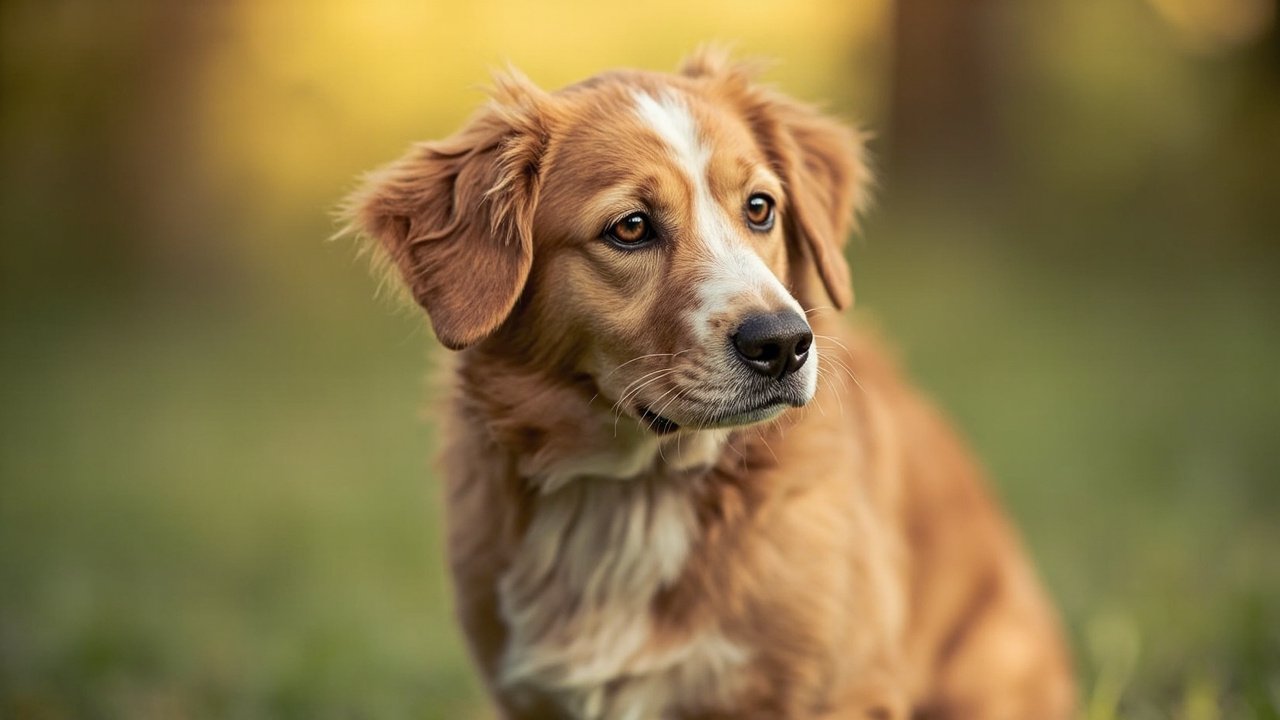
Five minutes in a hot car can be enough to put a dog in serious danger, according to a recent warning highlighted in the news. That message matters because heatstroke in dogs can develop faster than many owners expect, even on days that feel merely warm. A parked vehicle is especially risky, but a dog can also overheat during a walk, in a garden without shade, or while exercising in humid weather. Knowing the early symptoms, acting quickly, and avoiding common cooling mistakes can save a life.
What heatstroke in dogs actually means
Heatstroke occurs when a dog’s body temperature rises beyond its ability to cool itself. Dogs mainly cool themselves by panting, with limited help from sweat glands in their paw pads. In hot or humid conditions, panting may not remove enough heat. As the temperature climbs, organs, blood clotting, the brain, and circulation can all be affected.
Heat exhaustion can progress to heatstroke, but there is no safe point at which to wait and see. A dog showing signs of overheating needs to be moved to a cool area immediately. If symptoms are significant or do not improve promptly, contact a veterinarian or emergency clinic while beginning first aid.
Early symptoms to watch for
The first signs may look like ordinary tiredness after play, so pay attention to the whole picture. Watch for heavy or unusually rapid panting, thick or sticky saliva, bright red or unusually pale gums, restlessness, weakness, and reluctance to move. A dog may seek shade, lie down repeatedly, or seem anxious and unable to settle.
As overheating worsens, symptoms can include vomiting, diarrhoea, wobbling, confusion, glassy eyes, collapse, seizures, or loss of consciousness. Dark, tarry stools or blood in vomit can appear later because heat damages the digestive tract. Do not wait for collapse. A dog that is struggling to breathe, weak, disoriented, or vomiting needs urgent veterinary care.
What to do if your dog is overheating
1. Stop the heat and call for help
Move your dog into air conditioning or deep shade. Call your vet or the nearest emergency clinic and say you suspect heatstroke. They can advise you while you travel and prepare for arrival. If another adult is available, ask them to drive while you monitor and cool the dog.
2. Cool gradually with cool water and airflow
Apply cool, wet towels briefly to the neck, armpits, and groin, or pour cool tap water over the body while keeping air moving with a fan or open windows. Keep checking your dog’s alertness and breathing. Replace warm towels rather than leaving them in place, because a warm, wet towel can trap heat.
3. Stop active cooling as the temperature falls
If you have a reliable rectal thermometer and can use it safely, monitor the temperature. Stop active cooling around 39.4 C or 103 F, because continued cooling can cause hypothermia. Do not delay transport to take a temperature. A dog may look better while internal injury is still developing.
The ice water myth and other mistakes
Ice-cold water is not a magic treatment, and rubbing ice directly on the skin can cause blood vessels near the surface to constrict. That may reduce heat transfer from the body. For a conscious dog, cool or lukewarm water with airflow is generally a safer first-aid approach. Never wrap an overheated dog tightly in wet towels.
Do not force water into the mouth of a confused, collapsing, or unconscious dog, as it may inhale the fluid. If the dog is alert and able to swallow, offer small amounts, but do not make drinking a condition of seeking care. Avoid human medicines, alcohol rubs, and improvised remedies. Heatstroke is a veterinary emergency, not a problem to manage with internet advice alone.
Which dogs face the greatest risk?
Any dog can suffer heatstroke, including fit dogs that are exercised too hard. Risk is higher for flat-faced breeds such as pugs, French bulldogs, and English bulldogs, whose shortened airways make panting less efficient. Puppies, senior dogs, overweight dogs, and dogs with heart, lung, or airway disease also have less margin for error.
Thick-coated dogs, dark-coated dogs, and dogs not acclimatised to hot weather need extra care. A dog that has already had heatstroke may be more vulnerable in the future. Ask your vet about an individual summer plan, especially if your dog takes medication or has a chronic condition.
Practical products for safer hot-weather days
Products can support prevention, but none makes a parked car safe and none replaces supervision. Choose equipment that fits properly and test it on a mild day.
| Product | Best for | Price range | Why it works |
|---|---|---|---|
| Insulated stainless steel water bowl | Home, patio, travel | $20 to $45 | Helps keep drinking water cooler and is easy to clean |
| Cooling gel mat | Indoor rest areas | $25 to $70 | Offers a cool surface without electricity or soaking |
| Reflective car sun shades | Travel preparation | $15 to $35 | Reduces heat buildup in a parked vehicle while you are away from the dog |
| Breathable cooling vest | Short, supervised outings | $25 to $60 | Can provide temporary evaporative cooling when correctly fitted |
| Portable battery fan | Outdoor shade and camping | $20 to $55 | Improves airflow and supports panting during supervised rest |
Preventing heatstroke on walks and in cars
Walk early in the morning or later in the evening, and shorten outings when the pavement or air is hot. Use the back of your hand to test pavement for several seconds. If it is too hot for your hand, it is too hot for paws. Choose grass or shaded routes, carry water, and allow frequent breaks. Humidity matters too, because panting cools less effectively when the air is already wet.
Never leave a dog alone in a parked car, even with windows cracked, shade nearby, or the engine running unpredictably. Vehicles can become dangerously hot within minutes. At home, provide shade, ventilation, several water stations, and a cool indoor option. Check outdoor pets regularly rather than assuming they will move to safety themselves.
FAQ: heatstroke in dogs
Q: How quickly can a dog get heatstroke in a car?
A: Very quickly, sometimes within minutes. A car’s interior can rise far above the outdoor temperature, even with a window partly open. Never leave a dog unattended in a vehicle.
Q: Should I use ice on a dog with heatstroke?
A: Avoid rubbing ice directly on the skin or immersing a severely overheated dog in ice water. Use cool water and airflow while contacting a veterinarian.
Q: Can a dog recover from heatstroke at home?
A: A dog may appear to recover, but internal damage can continue after the body cools. Every suspected case deserves prompt veterinary advice and often an examination.
Q: How do I know if panting is abnormal?
A: Panting that is excessive, noisy, persistent after rest, paired with weakness, red gums, drooling, vomiting, confusion, or wobbling is abnormal and should be treated urgently.
Q: Is a cooling mat enough for summer safety?
A: No. A cooling mat is one helpful option, but dogs still need shade, water, ventilation, supervision, and reduced activity during hot weather.
Bottom line: Heatstroke in dogs can become life-threatening in a very short time. Move an overheated dog to a cool place, use cool water and airflow, call a veterinarian immediately, and never rely on ice, a cracked car window, or a cooling product as a substitute for supervision. Prevention is simplest: avoid the hottest hours, protect paws, provide water and shade, and take early warning signs seriously.