
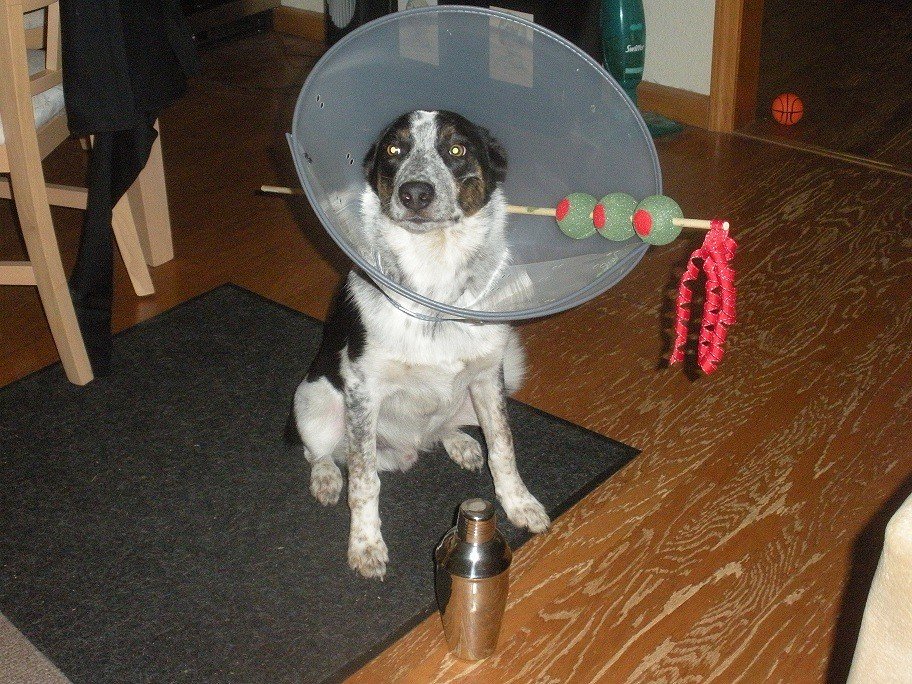
Bringing your dog or cat home after a spay or neuter can feel a little nerve-wracking, even when the procedure itself went smoothly. The first two weeks are when the incision heals and your pet settles back into routine. Knowing what to expect, day by day, takes the guesswork out of recovery and helps you catch small problems before they grow. The same basic timeline applies whether you have a bouncy puppy, a shy rescue cat, or a senior dog who just had a late neuter.
This guide walks you through the first 14 days of spay and neuter recovery, based on current guidance from the AVMA, RSPCA, and AAHA. You will get a day-by-day checklist, red flags that mean call the vet, tips for keeping your pet comfortable, and a small product table of items that genuinely make recovery easier.
What “Normal” Looks Like in the First 48 Hours
The first two days are the sleepiest. Most pets are still feeling the effects of general anesthesia and a pain injection given at the clinic. Expect your dog or cat to be a little wobbly, sleepy, and not very interested in food. Offer a small, bland meal the evening of surgery (plain boiled chicken and rice works well for dogs; a tiny bit of warmed wet food for cats). Water should always be available, but in small amounts at first so they do not gulp and vomit.
Keep your pet in a quiet, low-traffic room with a soft bed. Block stairs with a baby gate if you can. For cats, a small bathroom or laundry room with a clean litter box, food, water, and no jumping surfaces is ideal. For dogs, a crate or pen on the floor is safer than the couch or your bed. Lifting a 25-pound dog off and on furniture is also a good way to strain your back and the incision.
A small amount of whining, mild restlessness, or pacing is normal the first night. Most clinics send home 3 to 5 days of pain medication. Give it on schedule, even if your pet “seems fine,” because animals hide discomfort very well.
Days 3 to 5: Appetite Returns, Activity Still Restricted
By day three, most pets are clearly feeling better. Appetite comes back, eyes brighten, and the wiggle-loaf stage begins. This is also the danger zone. Your pet feels good enough to play, but the internal tissues are still knitting together. Jumping, running, rough play, and stairs can all pop a stitch or cause a hernia at the incision site.
Keep activity low and boring
- Short leash walks only, 5 to 10 minutes, on flat ground, no other dogs
- No jumping on or off furniture (use a pet ramp or carry)
- No bath, no swimming, no grooming the incision area
- Cats stay in their recovery room, no free roam of the house yet
- Use a cone, inflatable collar, or recovery suit any time you cannot watch them
Continue pain meds as directed. If your vet prescribed an anti-inflammatory, do not add any human over-the-counter pain reliever on your own. Ibuprofen, acetaminophen, and naproxen are toxic to both dogs and cats.
Days 6 to 10: Incision Watch and Light Activity
Around day seven, the external incision is usually closed and starting to itch. You should be able to look at it without flinching. A healthy incision is dry, clean, with edges that touch neatly. A little pink or mild bruising is fine. A little clear or slightly bloody seep in the first 24 to 48 hours is also normal.
Red flags that mean call the vet
- Swelling that gets worse after day three, or a firm lump under the skin
- Discharge that is green, yellow, creamy, or foul-smelling
- Gaping edges, bleeding that restarts, or visible stitches coming loose
- Persistent licking or chewing at the site (despite a cone)
- Lethargy, vomiting, or refusing food past day three
Around day eight to ten, you can usually start gentle short walks again for dogs, and supervised indoor time for cats. Avoid dog parks, daycare, and any roughhousing until the full two-week mark.
Days 11 to 14: Back to Normal, With One Caveat
By the end of week two, most pets are fully healed on the outside and about 80 to 90 percent healed on the inside. Your vet will likely say you can return to normal activity, including baths, groomer visits, and dog park play. If your pet was spayed (especially a female dog), keep strenuous zoomies and agility-type jumping dialed back for another week, because the internal muscle layer needs a bit longer than the skin.
This is also a great window to book any booster vaccinations your vet recommended, switch to a life-stage appropriate diet, and think about a microchip check if your pet was already chipped before surgery. Many clinics rescan the chip while your pet is under anesthesia and update the registry for you.
Helpful Products for a Smoother Recovery
You do not need a lot of gear, but a few well-chosen items make the two-week window a lot easier on you and your pet.
| Product | Best For | Price Range | Why It Works |
|---|---|---|---|
| Soft e-collar or inflatable collar | Dogs and cats who hate the plastic cone | $15 to $35 | Blocks licking without the hard plastic crash every time they turn around |
| Recovery suit (full body) | Cats and small dogs | $25 to $45 | Covers the incision completely and most pets tolerate it better than a cone |
| Orthopedic crate pad or low-profile bed | Older dogs, large breeds, post-anesthesia comfort | $40 to $90 | Supports joints without encouraging jumping on or off furniture |
| Calming treat or pheromone diffuser | Anxious cats, reactive dogs during crate rest | $15 to $30 | Reduces pacing and whining without sedating your pet |
| Baby gates (pack of two) | Homes with stairs or open layouts | $30 to $60 | Blocks stairs and limits room access more reliably than closing doors |
| Non-slip bath mat or yoga mat | Slick hardwood or tile floors | $15 to $25 | Prevents slips while your pet is still a bit wobbly on pain meds |
Frequently Asked Questions
Q: How long does it take for a dog or cat to recover from being spayed or neutered?
Most pets feel back to normal within 7 to 10 days, but full internal healing takes about 14 days. Vets usually ask you to restrict jumping and rough play for the full two weeks to avoid complications.
Q: Can my pet lick the incision at all?
No. Licking introduces bacteria and can pull out stitches. Keep a cone, inflatable collar, or recovery suit on whenever you cannot watch them directly, including overnight, for at least 10 days.
Q: Is it normal for my pet to sleep a lot after surgery?
Yes, the first 24 to 48 hours are very sleepy because of anesthesia and pain meds. After that, energy should steadily come back. If your pet is still unusually tired on day three or four, call your vet.
Q: When can my dog go back to the dog park or my cat go outside again?
Around day 14 for most pets, once your vet gives the all clear. Avoid dog parks, daycare, and group walks a few days longer, because the incision is still healing under the skin even when the surface looks fine.
Q: My pet is eating less than usual. Should I worry?
A reduced appetite for the first 24 to 48 hours is normal. If your pet still refuses food by day three, or starts vomiting or having diarrhea, contact your vet. Puppies, kittens, and small-breed dogs can become dehydrated fast, so do not wait it out.
The Bottom Line
A smooth spay or neuter recovery really comes down to three things: keep activity boring and on the floor for 14 days, give pain medication on schedule even when your pet looks fine, and watch the incision every day so you catch any redness, swelling, or discharge early. Most pets sail through this window with nothing more than a little extra sleep, a few short leash walks, and the patience of their favorite human. If anything feels off, your vet would always rather hear from you than have you worry at home. A quick phone call can turn a small issue into a non-issue, and that is what the first two weeks are really about.