
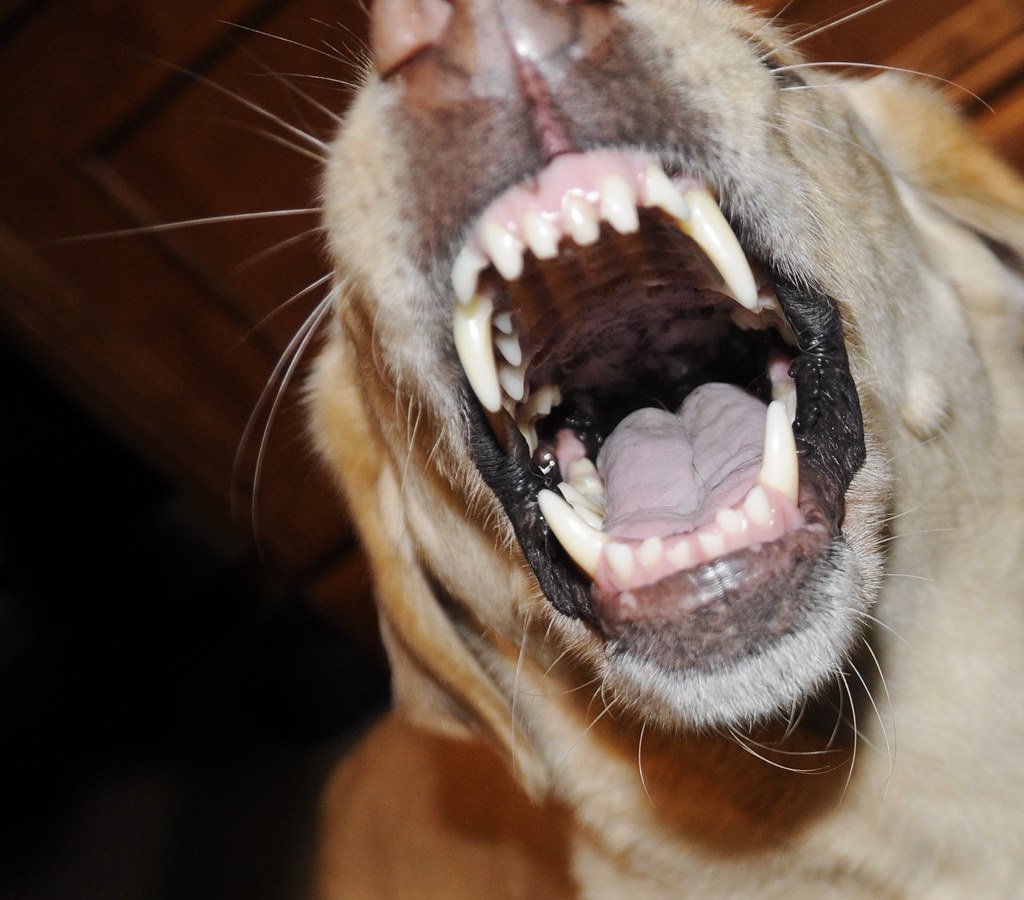
By the time most dogs reach age three, somewhere between 70 and 80 percent show early signs of gum disease. The number comes up so often in vet clinics because it is true: dental trouble is one of the most common, most preventable problems we treat, and it almost always starts at home. The good news? A short, consistent routine of about five minutes a day can change the trajectory of your dog’s teeth for life. You do not need fancy gear, a dental degree, or a dog who loves having its mouth opened. You need the right plan and the patience to start slow.
Why dog dental care is not just about fresh breath
That brown tartar on the back molars looks cosmetic. It is not. Tartar is a hardened biofilm packed with the same bacteria that drive gum inflammation in people. Once it creeps below the gumline, it starts a slow cascade: the gum pulls back, the bone that holds the tooth in place thins, and bacteria can enter the bloodstream. From there it can hitch a ride to the kidneys, the liver, and the heart valves.
Veterinary dentists use a phrase you will hear often: dental disease is a whole body disease. Senior dogs in particular pay a steep price. A dog with chronic dental infection may drink more, eat less enthusiastically, drop weight, and seem to age overnight. The cost of professional treatment under anesthesia can also climb into four figures once extractions and bloodwork are factored in. Prevention is not just kinder. It is dramatically cheaper.
The 5 minute daily routine that actually works
The version I share with new puppy parents and with owners of skeptical seniors looks the same. It has three parts, in this order, every day.
1. Lift the lip and look. Spend 30 seconds on each side of the mouth. Check the outsides of the large canine teeth, the big cheek teeth in the back, and the front incisors. Note color, smell, and any redness along the gumline. This is your baseline.
2. Brush the outsides of the teeth. Use a soft dog toothbrush or a finger brush and a pet safe enzymatic toothpaste. Focus on the outer surfaces, where plaque builds fastest. Two minutes, gentle circles, stop if your dog starts bleeding heavily or panicking.
3. Offer a chew that earns its keep. Not every chew counts. Look for the Veterinary Oral Health Council (VOHC) seal. The VOHC reviews products for plaque and tartar control. A 90 second chew finishes the routine.
That is the whole loop. Five minutes total on a calm dog, ten on a wiggle.
Tools that make the routine stick
You have more options today than ever, and not all of them are equal. Here is how I sort them for clients.
- Toothbrush: A long handled soft brush gives you reach for big dogs. A finger brush suits small mouths and nervous beginners.
- Toothpaste: Only use pet toothpaste. Human toothpaste contains xylitol or fluoride levels that dogs should not swallow. Poultry or malt flavors tend to work best.
- Water additives: Enzymatic drops in the water bowl help slow plaque buildup between brushings. They are a supplement, not a substitute.
- Dental wipes: Useful for dogs who flat out refuse a brush. Less effective than brushing but better than nothing.
- Dental chews: Pick VOHC accepted options only. Rawhide style chews and very hard chews can fracture teeth.
Best dog dental care products for 2026
These are the products I recommend most often in clinic, across a range of budgets and dog sizes. Prices are typical US retail ranges as of mid 2026.
| Product | Best for | Price range (USD) | Why it works |
|---|---|---|---|
| Virbac C.E.T. Enzymatic Toothpaste (poultry) | Daily brushing for any dog | $6 to $10 | Dual enzyme system keeps working between brushings; pet safe flavor dogs accept easily. |
| Arm and Hammer Dog Dental Kit (finger brush and paste) | Beginners and small breeds | $8 to $12 | Starter kit with a finger brush for sensitive gums; baking soda formula freshens breath. |
| VetIQ VOHC Accepted Dental Chews | Daily chew routine | $14 to $22 per bag | VOHC seal, multiple sizes, suitable for seniors with softer chews. |
| TropiClean Fresh Breath Water Additive | Multi dog households | $11 to $16 | Drops into any water bowl, no brushing required, gentle on sensitive stomachs. |
| Petrodex Dental Wipes | Anxious or rescue dogs | $9 to $13 | Pre moistened enzymatic wipes for dogs who refuse a brush; less effective but well tolerated. |
| Virbac C.E.T. Aquadent Drinking Water Additive | Senior dogs with early tartar | $15 to $20 | Chlorhexidine based formula targets the bacteria behind plaque formation. |
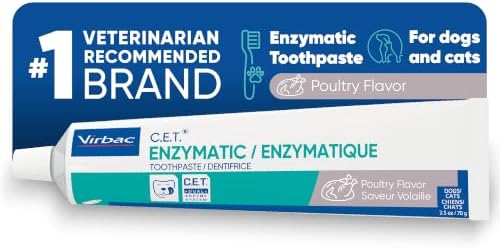
- FOR DOGS AND CATS: Enzymatic toothpaste specifically formulated using an enzyme system for dogs and cats to reduce plaqu…
- 100% SAFE: Includes no foaming agents, so this toothpaste is safe for pets to swallow
- VET RECOMMENDED: Virbac is the #1 Recommended dental brand by Veterinary professionals; Made in the USA

- Greenies Dog Treats For Daily Dental Care: Greenies natural dog teeth cleaning treats are crafted to support the 4 areas…
- Veterinarian-Recommended Dog Dental Treats: Greenies Dog Treats are veterinarian-recommended dental dog chews that clean…
- Dental Chews For Dogs Fights Tartar: Including Greenies regular size dogs teeth cleaning treats into your daily dental c…
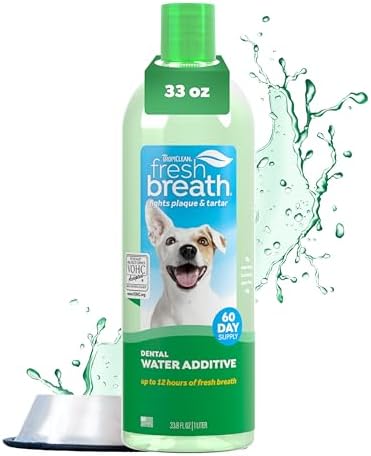
- Ease of Use: Forget the struggle of dog toothpaste and brushes. Try this stress-free alternative.
- Freshens Breath: Combat bad dog breath with tasteless dog mouthwash that lasts up to 12 hours.
- Cleans Beyond Teeth: Actively contributes to a clean mouth by reducing plaque and tartar build-up in 14 days or less.
How often is often enough?
Daily brushing is the gold standard. Three times a week keeps most dogs stable. Once a week is better than nothing but does not stop the slow march of tartar on its own. Dental chews are a daily add on, not a daily replacement.
Professional cleanings under anesthesia are still part of the picture. Most adult dogs benefit from a cleaning every one to two years, depending on breed, saliva chemistry, and home care. Small and brachycephalic breeds (think Pugs, Yorkies, Shih Tzus) tend to need more frequent cleanings because their crowded teeth trap food and bacteria. Your vet can show you the right interval for your dog after a quick oral exam.
Warning signs worth acting on
Call your vet if you notice any of the following between checkups:
- Persistent bad breath that smells sweet, metallic, or unusually foul
- Red, swollen, or receding gums
- Yellow or brown buildup along the gumline, especially on the back teeth
- Drooling more than usual, or pawing at the mouth
- Loose teeth in an adult dog, or a tooth that has shifted
- Difficulty chewing, dropping kibble, or favoring one side of the mouth
- Blood on a chew toy or in the water bowl
None of these are emergencies on their own, but together they add up to a mouth that needs professional attention soon. The sooner you flag it, the simpler the fix tends to be.
Frequently asked questions
Q: At what age should I start brushing my dog’s teeth?
As early as possible, ideally once the adult teeth are in around 6 months. Puppies who learn the routine early almost always accept it as adults. If your dog is older, it is never too late to start. Just go slow.
Q: Can I use human toothpaste for my dog?
No. Human toothpaste often contains xylitol, which is toxic to dogs, and fluoride levels that should not be swallowed. Always use a pet formulated enzymatic paste.
Q: Are dental sticks and bones actually effective?
Only if they carry the VOHC seal. Untreated bones, very hard nylon chews, and antlers can fracture teeth, which leads to a much more expensive problem than tartar.
Q: My dog hates having his mouth touched. What do I do?
Start with your hand on the muzzle while you offer treats. Build up to lifting the lip. Then touch a finger with paste to the canine. Most dogs accept brushing within two to three weeks of short, positive sessions.
Q: How much does a professional dental cleaning cost?
In the US, expect $400 to $900 for a routine cleaning without extractions, more if teeth need to come out. Costs in the UK and Australia are comparable once converted. Pre-treatment bloodwork is usually extra. Preventive home care keeps the cost on the low end.
The bottom line
Dog dental care at home is not glamorous, but it is the single highest return habit in your dog’s daily routine. Five minutes of brushing, a vetted chew, and a quick look under the lip each day will add healthy years and save you thousands in avoided cleanings and extractions. Start tonight. Keep it gentle. Make it a ritual your dog can trust. Your future self, and your dog’s future vet, will thank you.