
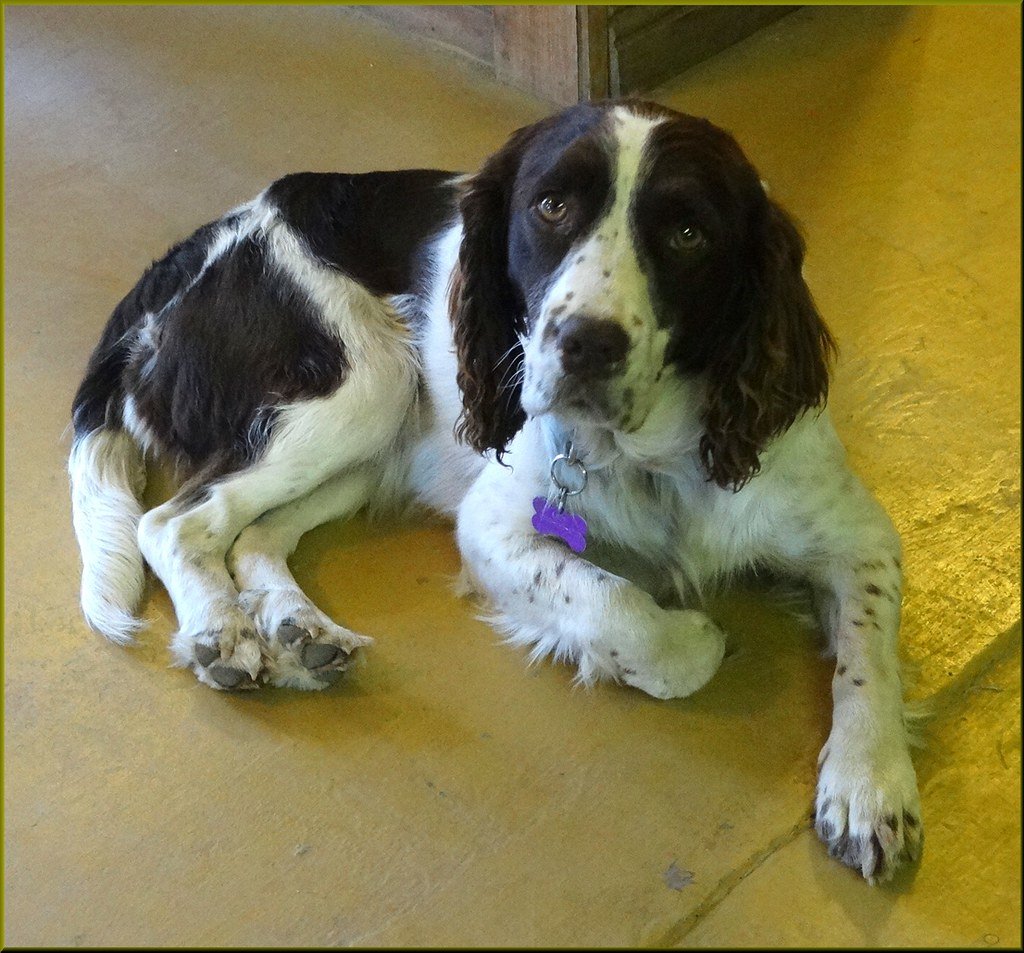
If your dog has started slowing down on walks, hesitating before stairs, or not getting up to greet you at the door, you are not alone. Osteoarthritis is one of the most common chronic conditions in adult and senior dogs, and a fresh peer-reviewed study just gave owners a strong reason to ask their vet about a treatment called Spryng. PetVivo Holdings recently announced that a study evaluating Spryng has been published in Veterinary Record, one of the most respected peer-reviewed journals in veterinary medicine. Worth knowing the scale before you act on it: this was a company-announced, proof-of-concept study of 40 client-owned dogs followed for 84 days, in which 55% reached at least a 25% improvement on a subjective pain scale. The investigators themselves called for further trials using objective outcome measures.
Peer review is the gold standard the profession uses to decide whether new tools are worth recommending. Below is a plain-English breakdown of what Spryng is, what the study adds, which dogs tend to benefit, and how to pair the injection with at-home joint care owners can start today.
What Spryng actually is
Spryng is a sterile, injectable medical device designed to help manage osteoarthritis pain in dogs. It is not a drug and not a stem cell therapy. It is a collagen-based hydrogel made of tiny microparticles that your veterinarian injects directly into the joint capsule. Once in place, the microparticles act as a soft cushion that helps the joint move more smoothly and reduces the bone-on-bone grinding that drives inflammation and pain.
PetVivo describes Spryng as a passive joint distraction and cushioning device. In practice, that means it changes the mechanics inside the joint rather than traveling through the bloodstream the way an oral NSAID does. For dogs with liver, kidney, or stomach sensitivities, that distinction can be the difference between a treatment they tolerate and one they cannot.
What the new Veterinary Record study adds
The published study followed dogs with confirmed osteoarthritis who were treated with Spryng and tracked their comfort, mobility, and owner-reported quality of life over a defined follow-up window. A clinically meaningful share of dogs showed improved weight-bearing and lower pain scores at standard check-ins, with benefits that often lasted several months after a single in-clinic injection.
Peer-reviewed publication in Veterinary Record carries weight that conference posters and white papers do not. The data can now be compared against the existing standard of care, including NSAIDs, weight management, structured physical therapy, omega-3 supplementation, and Adequan.
It is also worth noting what peer review does not promise. A single positive study does not make Spryng a universal first-line option. It does mean the device has cleared a meaningful evidence bar, and your vet can have a more honest conversation about expected outcomes, cost per joint, and re-treatment intervals.
How Spryng works inside the joint
The collagen microparticles are about the size of a coarse grain of sand, but soft, pliable, and biocompatible. Once injected, they spread through the joint fluid and settle between the cartilage surfaces. The effect is mechanical: the particles absorb a portion of the load, the cartilage sees less direct contact, and the cushioning effect persists while the body gradually clears the material over several months.
Most dogs return to light activity within a day or two, with a short rest period before full normal exercise. Because Spryng is not metabolized through the liver or kidneys the way many oral pain medications are, it is often positioned as a complementary option rather than a replacement for systemic therapy.
Who is a good candidate
Spryng is most often discussed for dogs with mild to moderate osteoarthritis in a specific joint, most commonly the hip, stifle, elbow, or shoulder. Candidates are typically dogs who:
- Have radiographic or clinical confirmation of osteoarthritis in one or two joints
- Show incomplete relief, side effects, or contraindications to long-term NSAID use
- Are at a healthy, stable body weight, since excess pounds undo any joint intervention
- Have a realistic owner who can pair the injection with controlled exercise, weight management, and follow-up care
Spryng is generally not the first conversation for dogs with severe multi-joint disease, active joint infection, or significant cruciate ligament instability. In those cases, surgical stabilization or more aggressive medical management usually comes first, with Spryng as a later add-on.
Cost, access, and what to ask the clinic
Because Spryng is administered in clinic by a trained team, pricing varies by region and joint. In the United States, owners often see quotes in the several-hundred to low-thousand-dollar range per joint treated, which can make a multi-joint session a meaningful investment. Clinics in the UK, Australia, and Canada are increasingly offering it as availability expands.
When you call to book a consult, ask three things: how many Spryng cases the team has injected and in which joints, what the typical re-treatment interval is, and whether the quote includes sedation, imaging guidance, and a recheck exam. A transparent clinic will answer all three without hesitation.
Pairing the injection with smart at-home care
No in-clinic treatment, including Spryng, replaces the basics at home. Weight control, controlled low-impact exercise, non-slip flooring, and a high-quality joint supplement are the foundation that lets any injection last longer. The table below compares popular options owners in the US, UK, Australia, and Canada can buy over the counter or through their vet.
| Product | Best for | Price range | Why it works |
|---|---|---|---|
| Cosequin Maximum Strength Plus MSM | Daily foundational support for adult dogs with mild stiffness | USD 35 to 55 | Veterinarian-recommended blend of glucosamine, chondroitin, and MSM with decades of clinical use |
| YuMOVE Dog Hip and Joint Chews | Owners who want a single soft chew with green-lipped mussel | USD 40 to 60 | Combines glucosamine, hyaluronic acid, and omega-3s from New Zealand green-lipped mussel |
| VetIQ Hip and Joint Soft Chews | Budget-conscious multi-dog households | USD 15 to 25 | Affordable glucosamine and chondroitin base with a palatable liver flavor most dogs accept |
| Dasuquin with MSM (Nutramax) | Dogs already on Cosequin who need a stronger step up | USD 45 to 70 | Adds avocado soybean unsaponifiables (ASU) for a more targeted cartilage-support formula |
| Movoflex Soft Chews | Senior dogs with both joint and mobility concerns | USD 30 to 50 | Features ZANTHOGREEN and BiovaFlex for eggshell membrane and natural hyaluronic acid |
| Orthopedic memory foam dog bed | Any arthritic dog, regardless of supplement choice | USD 50 to 130 | Reduces pressure on hips and elbows during the 12 to 14 hours a dog sleeps each day |
Supplements are not a substitute for a veterinary exam, and a quality bed is arguably more impactful than any single chew. If budget is tight, invest in weight management and a supportive bed first, then layer in a single well-chosen supplement your dog will actually eat.
How to talk to your vet about Spryng
Bring a short list of observations to your appointment. Note when stiffness is worst (mornings, after long walks, during cold weather), which activities your dog avoids, and any recent changes in appetite or mood. Ask your vet to walk you through a stepwise plan, starting with weight, exercise, and pain control, and only then layering in joint injections.
If your vet believes Spryng is appropriate, ask whether imaging guidance is used to confirm needle placement and what rest protocol is recommended for the 48 hours after the injection. Most clinics schedule a four to six week recheck, which gives you a clear window to judge whether the investment paid off for your dog.
Frequently asked questions
Q: Is Spryng a drug, and does it have systemic side effects?
No. Spryng is an injectable medical device made of collagen microparticles, not a pharmaceutical. Because it stays inside the joint and is gradually cleared, it does not circulate through the liver or kidneys the way NSAIDs do. Localized post-injection soreness for a day or two is the most commonly reported issue.
Q: How long does a single Spryng injection last?
In the published study and in clinical experience, benefits often persist for several months, with individual variation. Many dogs return for re-treatment on a schedule their vet tailors to their response, condition, and activity level.
Q: Can Spryng be combined with NSAIDs or other joint supplements?
In most cases, yes. Spryng is commonly used alongside weight management, controlled exercise, omega-3 fatty acids, and oral joint supplements. Your vet may temporarily adjust NSAID use around the injection day, but the two approaches are generally complementary rather than competing.
Q: Is Spryng available outside the United States?
Availability is expanding but still patchy in the UK, Australia, and Canada. Ask your primary vet whether a nearby referral hospital or orthopedic service offers it, and be prepared to travel to a specialty clinic if needed.
Q: How much does a Spryng treatment cost?
Pricing varies by joint, region, and clinic, but owners should plan for a per-joint investment in the several-hundred to low-thousand-dollar range in the US. Always request a written estimate that includes sedation, imaging, the device itself, and recheck visits.
Bottom line: The Veterinary Record publication is a meaningful milestone for Spryng, but it is the start of an evidence conversation, not the end of one. For dogs with confirmed osteoarthritis in one or two joints, especially those who cannot tolerate long-term NSAIDs, Spryng is now a peer-reviewed option worth asking your vet about. Pair it with the basics that always matter most: a lean body condition, controlled low-impact exercise, a supportive bed, and a single joint supplement your dog will actually eat. Done together, those steps give your dog the best chance at the long, comfortable walks and easy stair climbs you both want.