
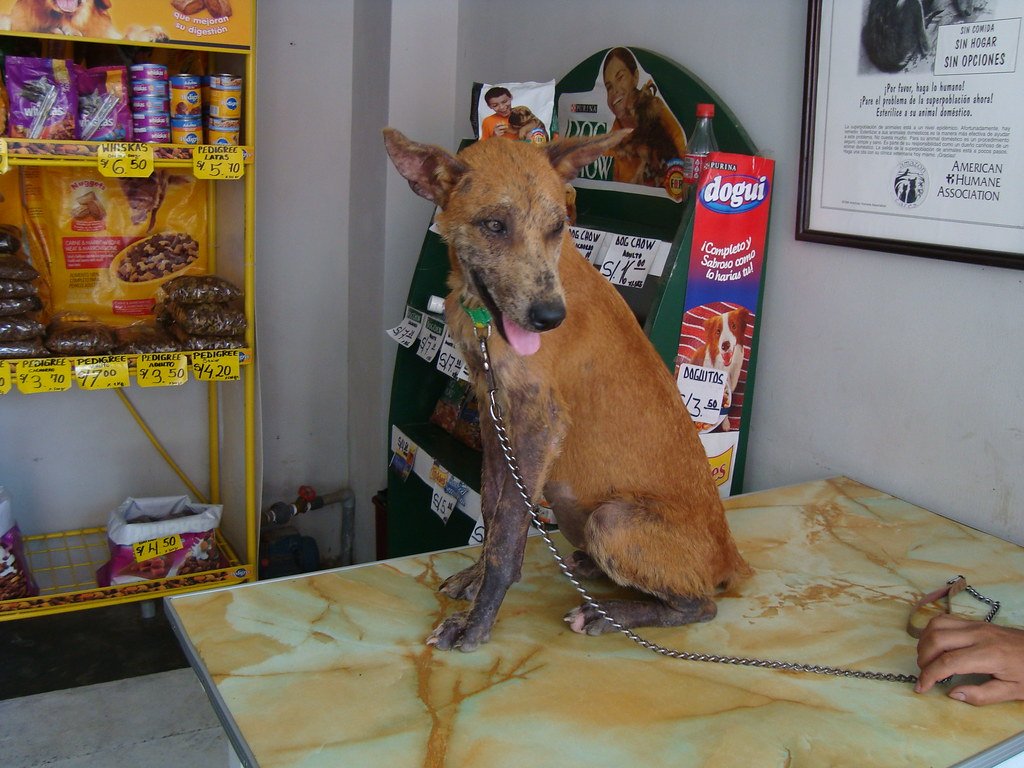
This week, a quiet but meaningful milestone arrived for veterinary medicine in Southeast Asia. Filipino veterinarians just received the first business playbook written specifically for local clinics, a framework called The Veterinary Business Game Theory, launched by Manila-based practitioners who saw a clear gap between clinical training and the realities of running a small animal practice. It is the kind of news that does not make international headlines, but it tells you a lot about where the profession is heading, and what pet owners in the United States, United Kingdom, Australia, and Canada should be paying attention to next.
Why a Veterinary Business Book Matters to Pet Owners
When a country’s vet community invests in the business side of practice, the ripple effect lands on every exam room. Clinics that run well financially are the ones that keep experienced veterinarians, upgrade equipment, stay open during hard years, and actually take time to explain your dog’s lab results instead of rushing you out the door. The Philippines story matters because it mirrors a shift already underway across North America, the United Kingdom, and Australia, where independent vet practices are consolidating or closing under pressure from rising costs, staff shortages, and corporate ownership.
For pet parents, the question is not whether your vet is a good doctor. Most are. The question is whether the practice around them is built to last. A clinic that treats business planning as seriously as clinical care is one you can keep bringing your dog to for the next decade.
What The Veterinary Business Game Theory Actually Covers
The framework, rolled out in Manila last week, draws on the experiences of Filipino practice owners who have navigated price-sensitive clients, tropical disease patterns, and a fast-growing middle class with disposable income for pets. While the full playbook is aimed at clinic owners, the themes translate directly to any small animal practice anywhere in the world.
The Three Big Themes for Clinic Owners
- Pricing with transparency. Helping owners understand what an exam, vaccination, or surgery actually costs and why, instead of presenting a single bundled number.
- Staff retention over constant hiring. Building career paths for vet techs and nurses so clinics stop losing trained people every year.
- Preventive care as the financial backbone. Encouraging annual wellness visits, dental cleanings, and parasite prevention because they reduce expensive emergencies later.
What Pet Owners Can Learn From the Same Ideas
You do not need to run a clinic to benefit from this thinking. The same three pillars are exactly what makes a pet parent’s life calmer and less expensive.
- Transparency in what you pay. Ask your vet for an itemized estimate before any procedure. Good clinics will provide one happily.
- Consistency in who cares for your pet. Stay with one practice when you can. Continuity helps the team spot subtle changes in your dog or cat that a stranger would miss.
- Prevention over emergency. Budget for an annual wellness exam, vaccines, dental care, and parasite prevention. It is the single best financial decision a pet owner can make.
The Global Vet Shortage and Why It Hits Home
The American Veterinary Medical Association has been warning about a vet workforce shortage for years. The United Kingdom’s Royal College of Veterinary Surgeons reports similar strain, and Australian and Canadian vet associations echo the same concerns. Burnout, student debt, and the emotional weight of euthanasia conversations are pushing experienced clinicians out of the profession faster than new graduates can replace them.
This is exactly the kind of pressure that a business playbook tries to address. When a clinic owner can build sustainable scheduling, fair pay, and a clear mission, vets stay. When they cannot, turnover spikes and pet parents end up seeing a different face every visit. The Filipino playbook is one small example of a much larger conversation that is happening in every country with a strong pet population.
How to Spot a Well-Run Veterinary Practice
You do not need to read a business book to evaluate your own vet. A few simple signals tell you almost everything about how a clinic is run.
- The phone is answered by a human during business hours. If you always get a menu tree, the team is understaffed.
- Records follow your pet. When the vet remembers your dog’s last lab work without re-running tests, that is continuity.
- Pricing is explained, not defended. You should feel informed, not pressured.
- The clinic invests in continuing education. Look for certificates, conference badges, or staff bios that mention recent training.
- The waiting room is calm. Stress in animals starts with stress in staff.
Products That Help You Run a Preventive-Care Household
You cannot hire a vet for your living room, but you can build a routine that catches problems early. The table below covers a few items that real pet owners and vet teams recommend for keeping dogs and cats healthier between visits.
| Product | Best For | Price Range | Why It Works |
|---|---|---|---|
| Hesukka Flea and Tick Collar for Dogs | Long-lasting parasite prevention | $15 to $35 | Eight months of protection without monthly applications, helpful for owners who forget doses. |
| VetIQ Dog Dental Care Kit | At-home dental hygiene | $20 to $40 | Includes enzymatic toothpaste and a finger brush, the simplest entry point for daily brushing. |
| Petstages Orka Dental Chew Toys | Dogs that resist brushing | $10 to $25 | Rubber ridges gently clean teeth during play and satisfy the chew drive. |
| Whiskas Automatic Cat Feeder with Portion Control | Multi-cat households | $40 to $80 | Scheduled meals help with weight control, a major preventive health lever for indoor cats. |
| Calmeroos Calming Plush Dog Toys | Anxious dogs during thunderstorms or travel | $25 to $45 | Heartbeat simulation and soft warmth reduce stress without medication. |
| Pet First Aid Kit by RC Pet Products | Travel and outdoor households | $30 to $60 | Bandages, antiseptic, and a tick remover let you stabilize a minor injury before reaching a vet. |
What This Means for Your Next Vet Visit
Use your next appointment as a checkpoint. Bring a short list of questions about what your pet needs this year, ask for a written estimate if any procedure is recommended, and notice how the team interacts with your animal. A practice that follows the kind of thinking in the new Filipino playbook will welcome all three. A practice that brushes you off might be one of the understaffed ones the global vet shortage keeps creating.
The Bottom Line
A veterinary business playbook launched in Manila this week is a small story with a big message. The future of pet care depends on clinics that combine excellent medicine with sustainable operations, and that future is being built right now in dozens of countries. As a pet owner, the most useful thing you can do is choose a practice that plans ahead, show up for preventive visits, and build the kind of home routine that keeps small problems from becoming emergencies. Your dog or cat does not care whether your vet read a business book. They care that the same kind, competent team is still there the next time they need help.
Frequently Asked Questions
Q: How do I know if my vet clinic is well run?
Look for clear pricing, continuity of care, calm staff, and a willingness to explain recommendations. If you feel rushed or confused, that is a signal worth investigating.
Q: What is the most important preventive care step for dogs?
Annual wellness exams, dental cleanings, and year-round parasite prevention are the three biggest returns on investment for most dogs.
Q: Is the veterinary business playbook story relevant outside the Philippines?
Yes. The same pressures, rising costs, staff burnout, and ownership changes, are reshaping independent clinics in the United States, United Kingdom, Australia, and Canada.
Q: How can I reduce my pet care costs without cutting quality?
Focus on prevention. Wellness exams, vaccines, dental care, and parasite control are far cheaper than treating preventable emergencies later.
Q: Should I switch to a corporate vet clinic or stay with an independent one?
Both can be excellent. The deciding factor is always the specific team caring for your pet, not the logo on the building. Visit, ask questions, and trust what you see.