
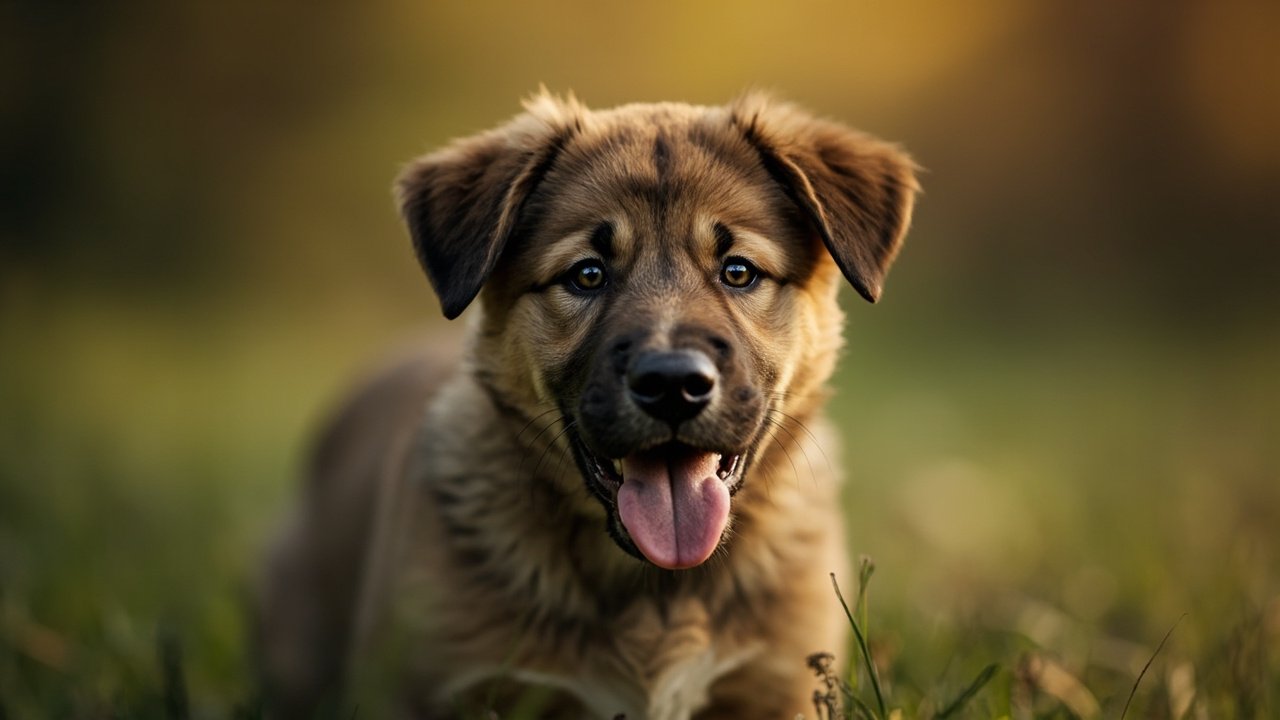
When a wildlife researcher watched a wild wolf pack adopt a domestic puppy and then chose not to step in, even as the puppy struggled, the story spread fast. The headline read like a riddle: Why I didn’t save the puppy: Researcher who documented the wolf pack adopting dog explains why he didn’t intervene. To a room of pet lovers, that sounds unthinkable. To a field biologist, it is one of the oldest arguments in conservation, dressed up in fur.
This week on PetKiddies we are going to sit with that argument for a moment, then do the thing our readers actually asked us to do: turn it into something useful at the kitchen counter. Because whether your dog is a working line Lab on a hundred acres or a snoring Shih Tzu on a third floor flat, the canid in your living room still carries the wiring of a wolf.
What actually happened in the wolf pack story
The short version is this. A research team in a mountainous region was tracking a wild wolf pack when the adults began caring for a young domestic puppy that had somehow ended up near the den. The adults fed the puppy, travelled with it, and tolerated its clumsy attempts to join the group. For a few days, the field notes read like a Disney film. Then the puppy started to fall behind. Food sharing slowed. The pack began to drift.
The lead researcher has been quoted explaining that his role was observer, not rescuer. Removing the puppy would have disrupted a documented wild pack, skewed years of behavioural data, and possibly condemned the puppy to a slow death from stress in captivity. Leaving it meant watching what nature had decided to do. Neither choice felt good. Both choices were defensible.
What this tells us about our own dogs
Here is where the kitchen counter comes in. The same genetic library that lets a wolf pack tolerate a strange puppy is what makes your dog wag at a stranger, freeze at a vacuum cleaner, or guard a tennis ball like a prey item. Wolves and dogs share roughly 99.9 percent of their DNA, and the behaviour overlap is even higher than the genetic overlap. So when a wolf pack adopts, sleeps near, and feeds a puppy that is not its own, your dog has the hardware to do the same thing.
Three lessons from the wolf pack that show up in living rooms
- Patience is a resource. Adult dogs will share space with a new puppy but will not endlessly re-parent it. If your older dog seems cool, that is normal.
- Resource guarding is real and ancient. Food sharing in a wolf pack is conditional. Your dog is constantly making trade-offs about bones, beds, and favourite humans. Manage the environment, do not rely on vibes.
- Adoption is not ownership. The wolf pack tolerated the puppy. They did not claim it. Respect the quiet boundaries in your own multi-pet home.
The ethics of intervention, in plain language
If you have ever watched a stray dog dodge traffic and wondered whether to intervene, the researcher in this story is not your enemy. He is your mirror. Most of us have to make a small version of his decision. There is no universal right answer, but there is a useful framework.
- Immediate danger of severe harm or death? Intervene for the animal, then call the local wildlife line. A rehabilitator will take it from there.
- Domestic pet or clearly habituated to people? That is a welfare problem, not a wildlife success story. Act, then notify.
- Genuinely wild, no human cause? Step back. Take notes, report to the wildlife authority, and let biologists do their work. This is what the researcher in our opening story did.
Where pet owners most often go wrong is the third category. A fox kit alone at midday is often not orphaned: fox parents park their young while they hunt. A fledgling on the ground is often just at the hopping stage. The wolf pack researcher would tell you: slow down, observe, and resist the urge to be the hero. Your local vet or wildlife rehabilitator can advise in two minutes.
Practical products for households with dogs and wildlife
| Product | Best for | Price range | Why it works |
|---|---|---|---|
| Long line lead (15 to 30 metres) | Recall training in open or semi wild areas | USD 20 to 45 | Lets you call your dog back from a wildlife encounter without losing control at a distance |
| Freeze dried single protein training treats | Building a strong recall against distractions | USD 10 to 25 per bag | Real meat smell beats kibble when the environment is full of wildlife scent |
| Reflective or LED collar | Dusk and dawn walks near rural roads | USD 12 to 30 | Keeps drivers and cyclists from misjudging your dog against background vegetation |
| Secure harness with top handle | Sudden wildlife encounters where you need to lift or guide fast | USD 25 to 60 | The top handle is a quick grab point if a deer, fox, or off leash dog appears |
| Battery powered trail camera | Curious owners who want to know what visits the yard | USD 50 to 150 | Helps you distinguish resident foxes from passing coyotes and informs your vet about local disease risk |
Frequently asked questions
Q: Did the wolf pack really adopt the puppy, or was it a mistake?
It looks like adoption to most observers, and biologists describe it that way. A domestic puppy is unusual but not impossible to interpret as a misplaced offspring, especially in a pack with no current pups of its own.
Q: Should the researcher have saved the puppy?
There is a serious argument both ways. From a domestic welfare view, yes: a domestic dog is not a wild animal and should be removed. From a research ethics view, intervention would have damaged a long running study and possibly stressed the puppy to death. Reasonable people disagree.
Q: My dog tries to nurse on toys or blankets. Is that the wolf pack instinct?
A related but separate behaviour. Adult dogs of both sexes can display pseudo nursing as a self soothing behaviour. It is generally harmless if the dog is eating well. If it is intense or causing skin issues, your vet can help you redirect it.
Q: Is it safe to walk my dog in areas where wild canids live?
In most of the US, UK, AU, and CA, coyotes and foxes are present. Risk to a medium or large dog is low but real in spring. Use a long line, keep dogs close at dawn and dusk, carry a loud air horn, and never let a small dog out alone in known coyote country.
Q: If my dog found a wild animal pup, what should I do?
Keep your dog away, do not touch the pup, and call a licensed wildlife rehabilitator. Many wild babies that look orphaned are not. Moving them without expert guidance can separate them from parents who were waiting nearby.
The bottom line
The researcher who watched a wolf pack adopt a puppy and chose not to step in is not a villain. He is a man doing one of the hardest jobs in biology, which is to witness without controlling. For the rest of us, the lesson is not that we should ignore animals in trouble. It is that the boundary between intervention and observation is a real skill, and we practice it every time we decide whether to scoop up a stray, scold a chasing dog, or call the ranger about a fox in the henhouse.
Take the long view. Read your dog the way the researcher read the wolf pack. Build a recall your dog will answer even when the wind is full of wild scent, carry the right kit, keep your vet’s number close, and remember that the line between wild and domestic is thinner than we like to admit. Your dog will thank you, mostly by sleeping on your foot for the rest of the evening.