
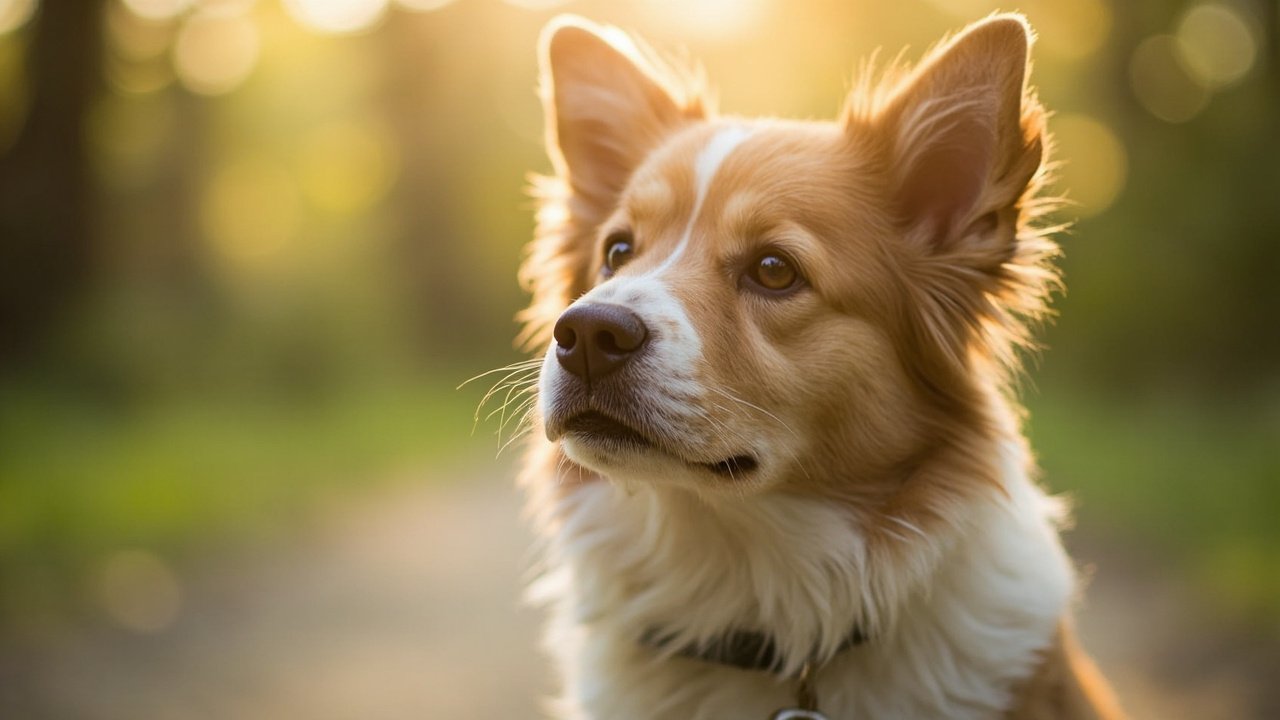
The warning behind a recent news headline is one every dog guardian should take seriously: five minutes in a hot car can be enough to put a dog at risk of heatstroke. Cars heat up extraordinarily fast, even when a window is open or the vehicle is parked in shade. Heatstroke in dogs is a life threatening emergency, not simply a case of being thirsty after a walk. Knowing the early symptoms, acting safely, and recognising which dogs need extra protection can make a critical difference.
What heatstroke does to a dog’s body
Dogs cool themselves mainly by panting, with only limited sweating through their paw pads. When the surrounding air is too hot, humid, or poorly ventilated, panting may no longer remove enough heat. Body temperature rises, circulation becomes less effective, and cells in the brain, kidneys, liver, muscles, and digestive tract can begin to suffer damage.
Heatstroke can develop during a hot walk, in a garden without shade, inside a warm room, or during travel. A closed car is especially dangerous because the temperature inside can climb rapidly. The outside temperature does not need to feel extreme for the interior to become unsafe. Humidity also matters, because moist air makes panting less efficient.
Heatstroke in dogs symptoms to recognise early
Early signs may look like ordinary exertion, so watch how quickly your dog recovers after stopping activity. Concerning symptoms include heavy or unusual panting, drooling, bright red or dark gums, restlessness, weakness, and a rapid heartbeat. A dog may seek a cool surface, seem unable to settle, or become unusually anxious.
As heatstroke progresses, signs can include vomiting, diarrhoea, wobbling, confusion, collapse, seizures, or loss of consciousness. Gums may later look pale, grey, purple, or muddy rather than red. Some dogs stop panting shortly before collapse, which is not reassuring. It can mean the body is failing to compensate.
If your dog is showing more than mild panting, assume the situation may worsen. Do not wait to see whether a nap or a bowl of water fixes it. Call a veterinary clinic or emergency hospital while you begin cooling.
First aid: cool your dog while arranging veterinary care
Move away from the heat
Take your dog into shade, air conditioning, or a well ventilated room. Stop exercise immediately. If the dog is in a car, get them out as quickly and safely as possible. Ask another person to contact a vet and tell the clinic that heatstroke is suspected.
Use cool water, not an ice bath
Apply cool or room temperature water to the body, especially the neck, underside, inner thighs, and paw areas. Use a hose, shower, wet towels, or a spray bottle. Keep air moving with a fan or the car’s air conditioning. If using towels, replace them when they become warm and heavy rather than leaving them wrapped around the dog.
Do not force water into a weak, confused, or unconscious dog’s mouth. If your dog is alert and able to swallow, offer small amounts of water without forcing them to drink.
The ice cold water myth needs a little nuance. Very cold water is not the best first choice because it can cause discomfort, encourage skin blood vessels to constrict, and make it harder to judge how much cooling is occurring. The priority is rapid, controlled cooling with cool water and airflow. Never delay treatment while searching for the perfect temperature.
Stop active cooling at the right point
Use a thermometer if you have one and your dog can tolerate it safely. Once the temperature reaches about 39.4 C or 103 F, stop aggressive cooling and head straight to the veterinary clinic. Continued cooling can cause the temperature to fall too low. If you cannot measure the temperature, keep cooling during transport but avoid an ice bath and follow the clinic’s instructions.
Why a vet visit is still essential
A dog can appear brighter after cooling while hidden injuries continue. Heatstroke may trigger abnormal clotting, kidney injury, intestinal damage, heart rhythm problems, brain swelling, or delayed organ failure. Veterinary teams may check blood clotting, kidney and liver markers, electrolytes, blood pressure, and hydration. Treatment can include intravenous fluids, oxygen, medication for nausea, seizure control, and observation.
Do not give human painkillers or other household medication unless a veterinarian specifically directs you. Products such as ibuprofen and paracetamol can be dangerous to dogs. Bring the information the clinic needs: when the heat exposure began, how long your dog was exposed, what cooling methods you used, and whether vomiting, diarrhoea, collapse, or seizures occurred.
Dogs that need extra heat protection
Any dog can suffer heatstroke, but some have less margin for error. Flat faced breeds such as Pugs, French Bulldogs, British Bulldogs, and Boston Terriers may struggle to move air effectively. Puppies, senior dogs, overweight dogs, and dogs with heart, lung, or airway disease also need careful management.
Thick coated dogs can overheat during strenuous activity, especially in humid weather. Dark coats may absorb more radiant heat, although coat colour is only one small part of the risk. Never assume a fit dog is safe because they seem eager to keep running. Excitement can hide dangerous fatigue.
Plan exercise for early morning or evening, check pavement with the back of your hand, and provide shade and several water stations. On very hot days, replace a long walk with scent games, short training sessions, food puzzles, or gentle indoor play.
Practical products for safer warm weather
Cooling products are helpers, not substitutes for shade, supervision, and common sense. Choose items that fit your dog and check them regularly for chewing, leaks, or overheating.
| Product | Best for | Price range | Why it works |
|---|---|---|---|
| Elevated cooling bed | Indoor or outdoor resting | US$35 to US$90 | Allows air to circulate beneath the body and keeps your dog off hot ground. |
| Cooling gel mat | Short supervised rest periods | US$20 to US$60 | Provides a cooler surface without needing electricity or refrigeration. |
| Insulated travel water bottle | Walks and car journeys | US$15 to US$35 | Makes fresh drinking water convenient when away from home. |
| Reflective car sun shade | Parked vehicle preparation | US$15 to US$40 | Reduces radiant heat in the cabin, although it never makes a parked car safe for a dog. |
| Cooling neck wrap | Calm, supervised outdoor time | US$10 to US$30 | May offer local cooling around the neck when used with shade and airflow. |
Preventing heatstroke at home and on the road
Make a hot weather routine before temperatures rise. Keep water bowls clean and topped up, create shade that moves throughout the day, and check that outdoor areas have good airflow. Avoid leaving a dog alone on a balcony, in a conservatory, or in a parked vehicle, even for a quick errand. Open windows do not provide reliable protection.
For travel, use air conditioning, offer regular water breaks, and watch your dog rather than relying only on the cabin temperature. A crate or harness should allow comfortable posture and airflow. In the United States, United Kingdom, Australia, and Canada, local heat can vary dramatically, so use your dog’s behaviour and the humidity as well as the forecast.
Frequently asked questions
Q: Can a dog get heatstroke on a mild day?
Yes. A sunny car, poor ventilation, high humidity, intense exercise, or an underlying illness can create dangerous conditions even when the air temperature does not feel extreme.
Q: Should I put my overheated dog in an ice bath?
No. Move the dog to a cool area and use cool water with airflow while contacting a vet. An ice bath can cause distress and make controlled cooling more difficult.
Q: How long does it take a dog to recover from heatstroke?
Mild cases may improve quickly, but serious complications can appear hours or days later. Veterinary assessment is important even if your dog seems normal after cooling.
Q: Can I give my dog ice cubes to cool them down?
A few small ice cubes may be acceptable for an alert dog that can swallow normally, but they are not treatment for heatstroke. Prioritise removing heat, cooling the body, and getting veterinary advice.
Q: Is panting always a sign of heatstroke?
No. Panting is normal after activity, stress, or excitement. It becomes concerning when it is excessive, does not settle with rest, or appears with weakness, abnormal gums, drooling, vomiting, confusion, or collapse.
Bottom line: heatstroke in dogs can become fatal with startling speed, including inside a parked car during a seemingly brief stop. Learn the symptoms, move your dog away from heat, cool them with cool water and airflow, and contact a veterinarian without delay. The safest summer strategy is prevention: shade, water, sensible exercise, and never leaving a dog alone in a vehicle.