
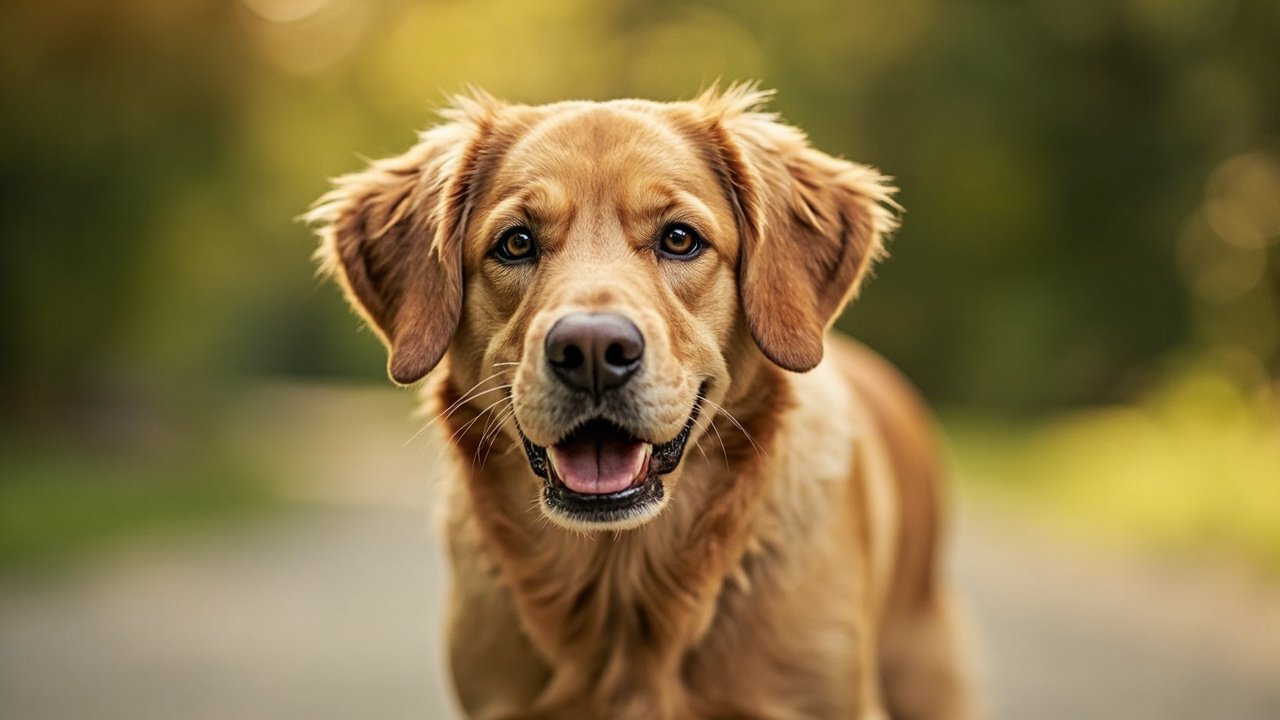
A recent warning from veterinarians, echoed in outlets like The Star, has pet parents paying fresh attention to a sobering stat: just five minutes inside a hot car can push a dog’s body temperature past the danger line. On a 75 degree day, a parked car climbs past 100 degrees in under ten minutes, even with the windows cracked. Heatstroke is the most common heat related emergency vets treat in summer, and the window between “hot” and “critically ill” can be startlingly short. The good news is that with the right signs and the right first aid, most dogs make a full recovery.
Why Dogs Overheat So Fast
Dogs do not sweat the way we do. They release only a tiny amount of heat through the pads of their paws and by panting. Their main cooling system is evaporation through the upper airway, which works well in mild weather and falls apart in humid or still air. A few factors stack the deck against them:
- Breed shape. Brachycephalic (flat faced) breeds like Pugs, French Bulldogs, Boxers, and Shih Tzus cannot move air efficiently and overheat fastest.
- Coat type. Thick double coats (Huskies, Bernese Mountain Dogs, Newfoundlands) trap heat close to the skin.
- Age, weight, and fitness. Puppies, seniors, and overweight dogs regulate temperature less effectively.
A normal dog temperature runs 101 to 102.5 degrees. Heatstroke starts when core temperature climbs to roughly 104 degrees, and organ damage becomes a serious concern above 106 degrees. That jump can happen in minutes when a dog is left in a hot car, tied up in the sun, or worked hard on a warm afternoon.
Heatstroke in Dogs: Symptoms to Watch For
Catching the early signs is the single biggest thing you can do to save a life.
Early signs (the “something is off” phase)
- Heavy, rapid panting that does not slow down after rest
- Excessive drooling, sometimes thick and sticky
- Bright red gums and tongue instead of healthy pink
- Restlessness, pacing, or trying to find shade
Moderate signs (get to a vet now)
- Vomiting or diarrhea, sometimes with blood
- Weakness, stumbling, or collapse
- Confusion, glazed eyes, or disorientation
- Gums turning pale, gray, or blue
Severe signs (emergency)
- Seizures or loss of consciousness
- No panting at all (the dog has stopped trying to cool)
- Bloody vomit or stool
First Aid: What To Do in the First 10 Minutes
Your goal is to lower body temperature gradually and get to a vet. Speed matters, but so does doing it right.
- Move to shade or air conditioning. Out of the sun, off the hot pavement.
- Take a rectal temperature if you have a digital pet thermometer. Anything over 104 degrees means active cooling. Stop once you hit 103.5 degrees to avoid overshooting into hypothermia.
- Wet the coat with cool (not cold) water. Focus on the belly, armpits, groin, and paws where major blood vessels run. A spray bottle, damp towel, or shallow soak all work.
- Offer small amounts of cool water if the dog is alert and able to swallow. Never force water into a confused or unconscious dog.
- Place a fan on the wet coat if available. Evaporation is the most efficient cooling method at home.
- Transport to the vet with the car AC running. Call ahead so the team is ready.
Even if your dog seems to bounce back fast, see a vet. Internal organ damage can show up 12 to 24 hours later, and bloodwork catches problems you cannot see at home.
The Ice-Cold Water Myth
This one trips up good pet parents every summer. The advice to dunk an overheating dog in an ice bath has been around for decades, and it is wrong:
- Cold water shunts heat to the core. When ice cold water hits the skin, surface blood vessels constrict. Blood that was carrying heat to the surface gets trapped deeper, cooking the organs.
- It can trigger shock. A sudden temperature drop stresses the heart in a dog that is already fragile.
- It slows the cooling you want. Studies show cool tap water (60 to 70 degrees) cools core temperature faster than ice water.
The takeaway: cool, not cold. Lukewarm, not icy. Think “refreshing swim,” not “polar plunge.” If you only have a garden hose, run it on the dog’s belly and paws while someone drives to the clinic.
Products That Help Prevent a Crisis
You cannot control the weather, but you can stack the deck in your dog’s favor. Once temperatures climb past 75 degrees, keep these on hand:
| Product | Best For | Price Range | Why It Works |
|---|---|---|---|
| Cooling Vest (Ruffwear Swamp Cooler style) | Walks, hikes, outdoor events | $60 to $110 USD | Evaporative fabric keeps core temperature down for one to three hours per soak. |
| Cooling Mat for Crates and Floors | Indoor rest, crate naps, post walk cool down | $25 to $55 USD | Pressure activated gel stays 10 to 15 degrees below ambient air, no electricity or freezing needed. |
| Digital Pet Rectal Thermometer | Every dog owner, full stop | $10 to $25 USD | Fast reading takes the guesswork out of “is it serious.” A must for any first aid kit. |
| Portable Water Bottle with Built In Bowl | Car rides, park visits, travel | $15 to $30 USD | One handed hydration in traffic. Stainless steel keeps water cooler longer than plastic. |
| Misting Hose Attachment or Spray Bottle | Backyard play, patio hangs | $8 to $40 USD | Fine mist evaporates fast and cools the coat without soaking your dog or your water bill. |
| Battery Operated Clip Fan for Crates | Brachycephalic breeds, senior dogs, indoor air flow | $20 to $45 USD | Adds air movement in still rooms where panting alone cannot keep up. |
Prevention Beats Emergency Care Every Time
Once you have watched a dog go through heatstroke, you do not want to do it twice. A few habits make it almost impossible:
- Walk early or late. Aim for before 9 a.m. and after 7 p.m. during summer. If the pavement is too hot for your palm for five seconds, it is too hot for paws.
- Skip the midday car trip unless the dog stays home. Even with AC and shade, a delay at the store can turn a car into an oven.
- Provide shade and fresh water in every outdoor hangout. Add ice cubes to the bowl for picky drinkers.
- Watch the humidity. A 78 degree day at 80% humidity is more dangerous than a 90 degree day at 30% humidity, because dogs cannot pant effectively in damp air.
Frequently Asked Questions
Q: How fast does heatstroke set in once a dog is in a hot car?
Most healthy dogs reach dangerous core temperatures within 10 to 30 minutes. On a 90 degree day, the car interior can pass 120 degrees in 10 minutes, and a dog can collapse in less than 15.
Q: My dog loves to run. Is it safe to exercise him in summer?
Yes, with a heat plan. Stick to shaded trails, bring a portable water bottle, take rest breaks every 10 minutes, and stop the moment he lies down or pants hard. Brachycephalic breeds should skip strenuous exercise above 75 degrees entirely.
Q: Can I use a regular thermometer from my medicine cabinet?
A digital human rectal thermometer works in a pinch. Look for a fast read (under 30 seconds) and a flexible tip. Clean with rubbing alcohol before and after, and label it “dog only.”
Q: Are certain dog breeds at higher risk?
Yes. Brachycephalic breeds (Pugs, French Bulldogs, English Bulldogs, Boxers), giant breeds (Great Danes, Saint Bernards), and northern breeds with thick double coats (Huskies, Malamutes) lead the list. Senior dogs, puppies, and overweight dogs of any breed are also higher risk.
Q: Should I give my dog electrolytes or a sports drink?
Plain cool water is best for most situations. For working dogs or long trail days, an unflavored pediatric electrolyte solution (xylitol free) can help. Skip Gatorade, which is too sugary for dogs.
Bottom line: Heatstroke in dogs is fast, common, and almost entirely preventable. Know your dog’s breed specific risk, learn the early symptoms (heavy panting, bright red gums, drooling), and have a plan before you need one: cool water, shade, a fan, a thermometer, and a vet’s number in your phone. Skip the ice bath myth, cool gradually, and head to the clinic even when your dog seems to recover. A few minutes of prevention saves a lifetime of “what if.”