
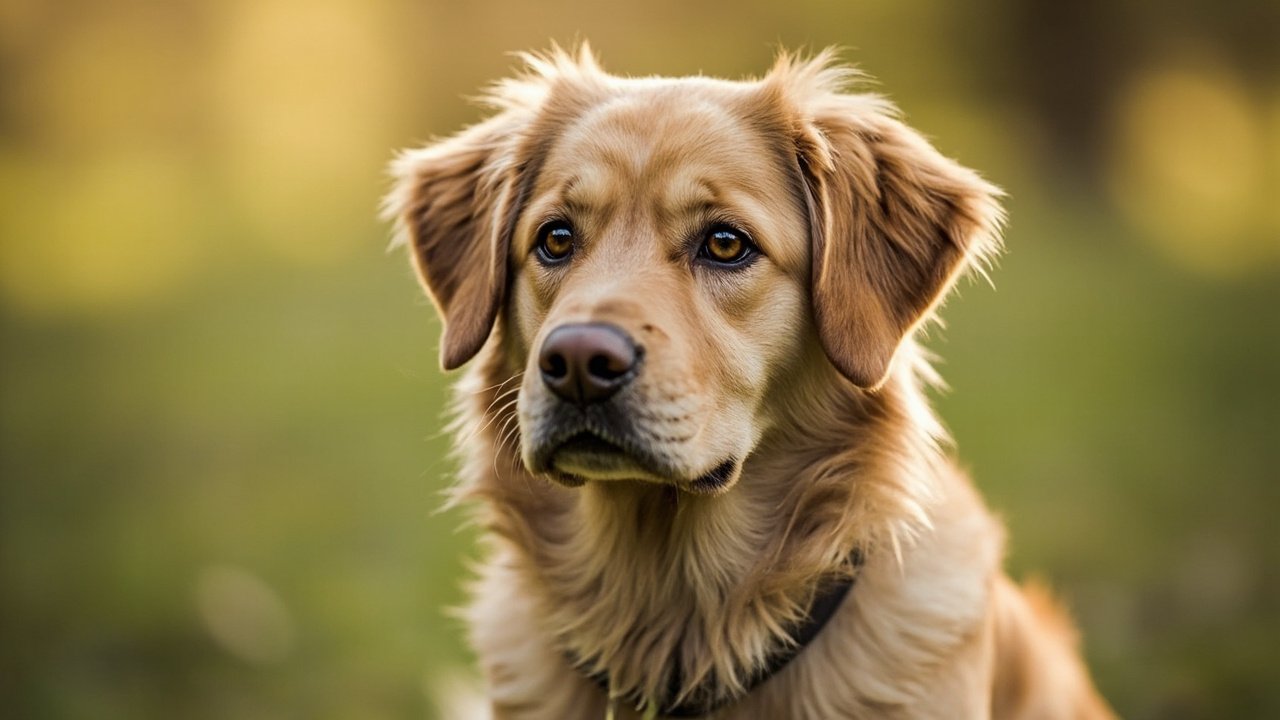
It only takes five minutes. A recent wave of veterinary warnings, sparked by a widely shared news story reporting that a dog left in a parked car for just five minutes on a mild day can develop full-blown heatstroke, has emergency vets across the US, UK, Australia, and Canada repeating one message: heatstroke in dogs is fast, often invisible at first, and far more common than most owners realize. This guide walks you through the warning signs, the critical first ten minutes of first aid, and the products that genuinely help you prevent a tragedy. We will also bust the most dangerous myth still circulating on social media: that you should dump ice-cold water on an overheated dog.
Why Dogs Overheat So Much Faster Than We Do
Dogs have very few sweat glands, mostly on their paw pads. Their main cooling system is panting, which moves hot air out and pulls cooler air in across the moist tissues of the tongue and upper airway. That system works well in mild weather but collapses quickly when humidity climbs above 70 percent or when the air itself is already hot.
On a 25C day, a parked car can reach 40C inside in under ten minutes, and cracking a window does almost nothing to slow the climb. Brachycephalic (flat-faced) breeds like Bulldogs, Pugs, Boxers, Frenchies, and Shih Tzus can overheat in half that time. Senior dogs, puppies, overweight dogs, and any dog with a heart or airway condition sit high on the risk list too.
Heatstroke in Dogs: Symptoms to Watch For
The earliest signs of heatstroke in dogs are easy to miss because owners often mistake them for simple excitement or post-walk fatigue. Watch for any combination of the following:
- Heavy, rapid, or noisy panting that does not slow down after rest
- Thicker, stickier drool or sudden drooling in a normally dry-mouthed dog
- Bright red, purple, or very pale gums instead of healthy pink
- Dry nose and tacky-feeling mouth
- Restlessness, pacing, glazed eyes, confusion, or stumbling
- Vomiting or diarrhea, sometimes with blood
- Collapse, seizures, or loss of consciousness (a true emergency)
A reliable field check is the gum test. Lift your dog’s lip and press a finger firmly against the gum for one second. Color should return within two seconds. If the gum stays white, feels tacky, or takes longer to refill, the dog is in trouble. A rectal temperature above 39.4C is concerning, and anything above 40.5C is a life-threatening emergency.
What To Do in the First Ten Minutes
If you suspect heatstroke, you are in a race against organ damage. Move through these steps in order.
1. Get the dog out of the heat
Carry them into shade or air conditioning immediately. Any cool, shaded surface is better than staying where you are.
2. Start active cooling with cool (not cold) water
Wet the dog with cool tap water from a hose, bucket, or sink, focusing on the belly, armpits, groin, and paw pads. These are the major heat-exchange zones where blood runs close to the skin. Keep the water flowing until breathing slows and the dog seems more alert.
3. Offer small sips of water
If the dog is conscious and can swallow, let them lap small amounts of cool water. Do not force water into the mouth and do not let a struggling dog gulp a whole bowl.
4. Head to the vet, even if symptoms improve
Heatstroke causes internal swelling and organ stress that can flare up twelve to twenty-four hours later. A dog that looks fine at the park can crash in the car on the way home. Call the clinic ahead so they can prep an IV and cooling area.
The Ice-Cold Water Myth
The most harmful piece of advice still floating around pet forums is to submerge an overheated dog in ice water or pack them in ice. Modern veterinary research, including work published by the Royal Veterinary College, has shown this can actually make things worse. Ice-cold water causes the blood vessels in the skin to clamp shut, trapping heat inside the core. The body responds by shivering,
which generates more heat, and the dog can deteriorate faster than if you had done nothing. Cool tap water works because it pulls heat out through the skin without triggering that reflex. Save the ice for your own drink.
Breed-Specific Risks and Hot-Weather Warning Signs
Some dogs need extra protection even on days that feel comfortable to us. Flat-faced breeds, thick double coats (Huskies, Golden Retrievers, Bernese Mountain Dogs), very young puppies, and seniors all carry higher risk. So do working and sporting breeds that push through play until they drop, because their drive often masks the early panting cues. A useful rule of thumb is the “five-second pavement test.” Press the back of your hand to the sidewalk for five seconds. If you cannot hold it there comfortably, the surface is too hot for paw pads, and the air is probably too hot for a long walk too.
Products That Genuinely Help Prevent Heatstroke
No product replaces shade, water, and common sense, but a few well-designed tools make hot-weather management much easier.
| Product | Best For | Price Range | Why It Works |
|---|---|---|---|
| Cooling mat (pressure-activated gel) | Indoor crate, sofa, car crate | $25 to $45 | No water or electricity needed; dogs lie down and the mat drops body heat by 8 to 12C |
| Cooling bandana (evaporative) | Walks, backyard play, hikes | $10 to $20 | Soak in cool water, wring, and tie on; re-soak every 20 to 30 minutes |
| Portable dog water bottle with built-in bowl | Travel, car, daycare pickup | $15 to $30 | One-handed dispensing means you can offer water without a separate bowl |
| Reflective sun shade for car windows | Anyone who travels with a dog | $12 to $25 | Blocks UV through rear and side glass and drops cabin temperature fast |
| Battery-powered mister fan | Outdoor patios, beach days, camping | $30 to $60 | Combines moving air with a fine mist, the most efficient cooling combo outside AC |
| Digital rectal thermometer (fast-read) | Any dog owner in a hot climate | $10 to $20 | Tells you in 10 seconds whether your dog has crossed into dangerous territory |
Building a Heat-Smart Daily Routine
Walk dogs in the early morning or after sunset during heat waves. Keep fresh water in two or three locations around the house. Test pavement before every walk. Never leave a dog in a parked car, even with the engine running and AC on, because systems fail. And know the number of your nearest 24-hour emergency vet before you ever need it.
Frequently Asked Questions
Q: How quickly can a dog get heatstroke?
A dog can begin showing signs of heatstroke in as little as five to ten minutes in a hot car, and even faster during intense exercise in humid weather. Brachycephalic breeds can deteriorate in under five minutes.
Q: Can a dog recover from heatstroke fully?
Many dogs recover fully with prompt cooling and veterinary care, but heatstroke can leave lasting damage to the kidneys, liver, heart, and brain. Fast action in the first ten minutes dramatically improves the odds.
Q: Should I put ice on a dog with heatstroke?
No. Ice and ice-cold water cause blood vessels in the skin to constrict, trapping heat inside the body. Use cool tap water instead, especially over the belly, armpits, groin, and paws.
Q: Are some dog breeds really more at risk?
Yes. Flat-faced breeds like Pugs, Bulldogs, Frenchies, Boxers, and Shih Tzus are at highest risk because their shortened airways cannot move enough air to cool them. Senior dogs, puppies, overweight dogs, and thick-coated breeds are also higher risk.
Q: When can a dog go back outside after a heat scare?
Most vets recommend at least seven to ten days of rest, with temperatures kept mild, before returning to normal activity. A follow-up blood panel is wise to check for hidden organ damage.
The Bottom Line
Heatstroke in dogs is almost always preventable, and when it does happen, the first ten minutes decide everything. Know the symptoms, keep cool (not cold) water within reach, skip the ice bath myth, and have your emergency vet number saved in your phone before the next heat wave hits. A small amount of planning today is the difference between a worried afternoon and a tragedy you cannot undo.